
How Amazon Can Mitigate the Impact of Air Travel on Its Carbon Footprint
As a global leader in e-commerce and logistics, Amazon relies heavily on air travel for quick delivery and business operations. However, air travel significantly contributes to greenhouse gas emissions, which is at odds with Amazon’s Climate Pledge to reach net-zero carbon emissions by 2040. Mitigating the impact of air travel on its carbon footprint is essential for Amazon to achieve its sustainability goals and demonstrate leadership in corporate environmental responsibility.
1. Understanding the Impact of Air Travel
A. Carbon Emissions from Air Travel
Air travel is one of the most carbon-intensive modes of transportation. Aircraft burn large quantities of jet fuel, producing carbon dioxide (CO₂), nitrogen oxides (NOx), and water vapor. These emissions contribute to global warming both directly and indirectly.
B. Amazon's Aviation Footprint
Amazon’s reliance on air travel encompasses:
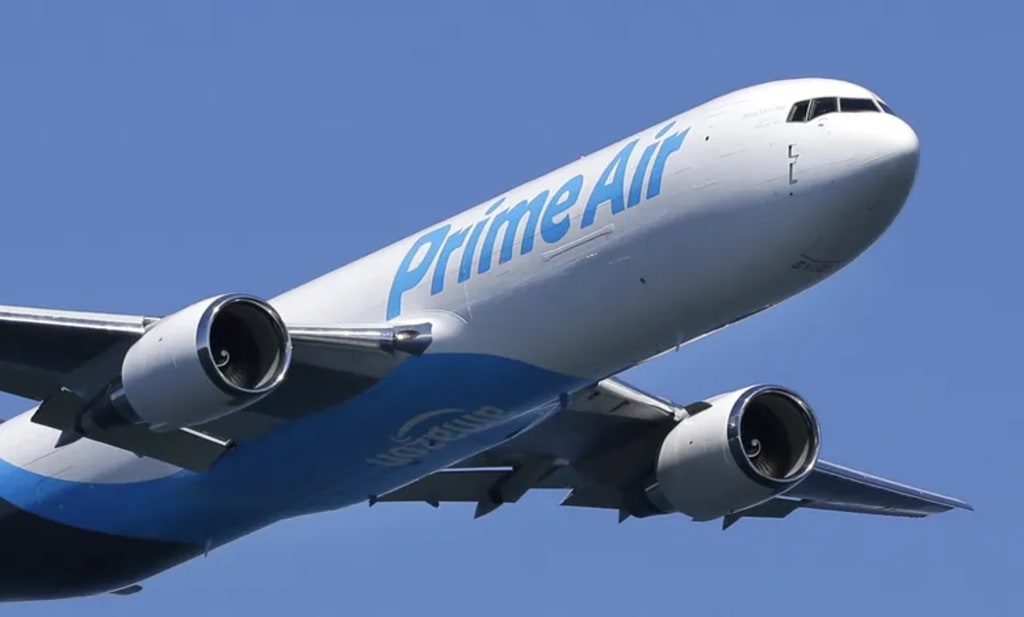
Cargo Flights: Amazon Air, the company’s dedicated air cargo fleet, enables fast delivery services but contributes significantly to emissions.
Corporate Travel: Business trips for employees also add to the carbon footprint, though on a smaller scale compared to cargo operations.
2. Strategies to Mitigate Air Travel Emissions
Amazon can implement a range of strategies to reduce the environmental impact of its air travel operations:
A. Optimize Air Cargo Operations
Fleet Modernization
Transition to more fuel-efficient aircraft, such as those designed with advanced aerodynamics, lightweight materials, and improved engines.
Phase out older, less efficient planes that consume more fuel and produce higher emissions.
Improve Load Efficiency
Maximize the cargo capacity utilization of each flight to reduce the number of flights needed.
Use advanced algorithms and AI-driven logistics to optimize routing and packing.
Invest in Hybrid and Electric Aircraft
Support the development and deployment of hybrid-electric or fully electric aircraft for short-haul flights.
Partner with aviation innovators like ZeroAvia or Heart Aerospace to accelerate the adoption of sustainable aviation technologies.
B. Transition to Sustainable Aviation Fuel (SAF)
Adopt SAF for Cargo Flights
Sustainable Aviation Fuel (SAF) is derived from renewable sources like waste oils, agricultural residues, or algae. SAF can reduce lifecycle emissions by up to 80% compared to traditional jet fuel.
Establish partnerships with SAF producers to ensure a consistent supply.
Collaborate with Industry
Work with airlines, governments, and NGOs to scale up SAF production, making it more affordable and accessible.
Advocate for policies and incentives that support SAF adoption.
C. Rethink Corporate Air Travel
Leverage Virtual Collaboration
Encourage employees to use video conferencing tools like Amazon Chime or other platforms for meetings instead of traveling.
Promote a culture of virtual-first communication, reserving air travel for only essential purposes.
Offset Corporate Travel Emissions
Invest in high-quality carbon offset programs to neutralize emissions from necessary employee air travel.
Focus on offsets that contribute to reforestation, renewable energy projects, or methane capture.
D. Invest in Carbon Removal Projects
Direct Air Capture (DAC)
Fund and partner with companies developing Direct Air Capture technology, which removes CO₂ directly from the atmosphere.
Use the captured CO₂ to create synthetic fuels, potentially closing the carbon loop for air travel.
Nature-Based Solutions
Support large-scale reforestation and afforestation projects to absorb atmospheric carbon.
Protect existing forests and biodiversity through conservation efforts.
3. Collaborate Across the Supply Chain
A. Green Partnerships with Airlines
Partner with commercial airlines to encourage them to adopt greener practices, such as fleet modernization or SAF usage.
Collaborate on research and development initiatives to improve aviation sustainability.
B. Optimize Intermodal Transport
Integrate air cargo with other transport modes, such as rail or electric trucks, for the less time-sensitive segments of the delivery process.
Reduce reliance on air travel by building more localized distribution centers and relying on ground transportation.
4. Utilize Data and Technology
A. Advanced Route Optimization
Use AI and machine learning to determine the most fuel-efficient flight paths.
Consider weather patterns, air traffic, and fuel consumption data to reduce unnecessary detours and delays.
B. Real-Time Monitoring
Equip aircraft with sensors to monitor fuel efficiency and emissions in real time.
Use the data to fine-tune operations and reduce inefficiencies.
5. Public Engagement and Advocacy
A. Educate Consumers
Make customers aware of the environmental impact of expedited shipping and offer greener delivery options at checkout.
Provide incentives for customers to choose slower but more sustainable shipping methods.
B. Advocate for Sustainable Aviation Policies
Work with policymakers to set industry standards for SAF usage, emission reductions, and greener technologies.
Support international agreements like the Carbon Offsetting and Reduction Scheme for International Aviation (CORSIA).
6. Innovate for the Future
A. Research and Development
Establish an in-house research team dedicated to exploring futuristic low-carbon aviation technologies.
Partner with universities, startups, and aerospace companies to fund cutting-edge innovations.
B. Long-Term Goals
Commit to transitioning Amazon Air entirely to SAF or electric-powered aircraft by a specific date.
Develop a roadmap for achieving zero emissions across all aviation operations.
7. Measure, Report, and Improve
A. Transparent Reporting
Include air travel emissions in Amazon’s annual sustainability reports.
Use standardized metrics and methodologies, such as those recommended by the Greenhouse Gas Protocol.
B. Continuous Improvement
Regularly evaluate the effectiveness of mitigation strategies.
Adapt and scale up successful initiatives while discontinuing ineffective ones.
8. The Bigger Picture
A. Inspire Industry Change
Amazon’s efforts to mitigate its air travel emissions could set a precedent for other corporations to follow. By taking bold, transparent steps, Amazon can influence the aviation industry to adopt more sustainable practices.
B. Aligning with Global Goals
Reducing air travel emissions aligns with broader global initiatives, such as the United Nations’ Sustainable Development Goals (SDGs) and the Paris Agreement.
Conclusion
Mitigating the impact of air travel on Amazon’s carbon footprint requires a multifaceted approach, blending technology, collaboration, and innovation. By optimizing cargo operations, transitioning to sustainable fuels, investing in carbon removal projects, and leveraging advanced technology, Amazon can significantly reduce its aviation-related emissions. As a corporate giant, Amazon has the power to lead by example, inspiring global industries to prioritize sustainability and contribute to a cleaner, healthier planet.
About the Creator
Mr Ali
Hello EveryOne..!!
Search for a Sister, Chapter Two
4-H-N heard not a word about her secret mission around Headquarters over the following days, so had to conclude either Mini-Flash Phytolith hadn’t been listening in after all, or she’d misjudged him. She hoped it was the latter, as she wanted the pair of them to get on, even if he wasn’t going out of his way to make it easy for her.
By Doc Sherwood19 days ago in Chapters


Comments
There are no comments for this story
Be the first to respond and start the conversation.