
Fireproofing Spray A Vital Solution for Fire Safety
Everything You Need to Know About Fireproof Spray for Building Safety

Everything You Need to Know About Fireproof Spray for Building Safety
Fire safety is a critical concern in the construction industry. To slow the spread of flames and protect structural integrity, fireproof spray also known as spray-applied fire-resistive material (SFRM) has become a key method of passive fire protection. we’ll explore what fireproofing spray is, why it matters, and how it contributes to safer buildings.
What Is Fireproof Spray (SFRM)?
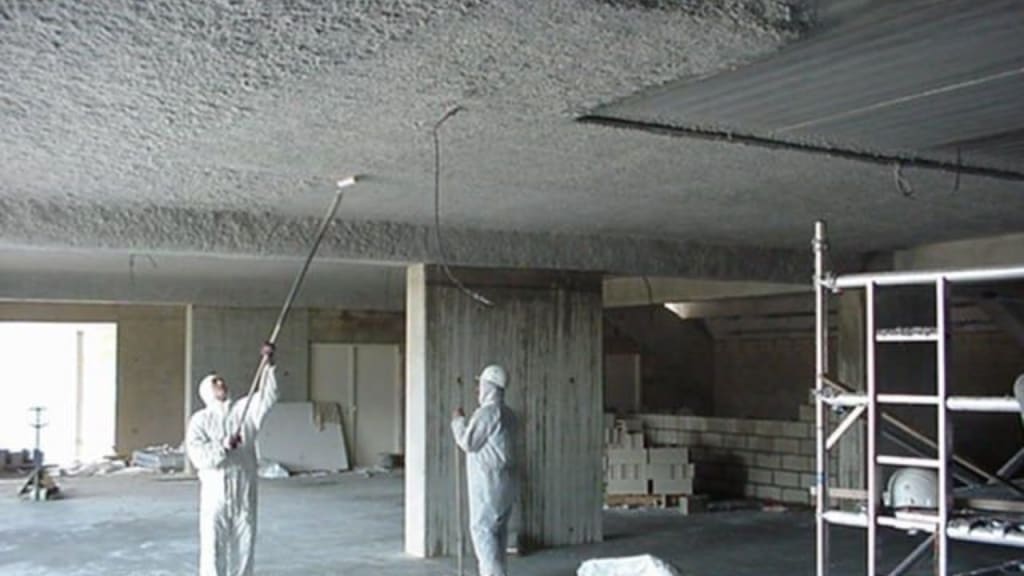
Fireproof spray is a protective coating applied to structural elements such as steel beams, ceilings, and concrete slabs. Made from materials like mineral wool, gypsum, or cementitious compounds, this coating insulates the structure from extreme heat, helping to delay structural failure during a fire.
Why Is It Important in Construction?
In the event of a fire, temperatures can quickly rise above 1,000°C (1,800°F). At around 500°C, steel begins to lose its load-bearing capacity. Fireproof spray acts as a thermal shield, providing the following benefits:
Delays heat penetration and structural weakening
Increases the window of time for safe evacuation
Supports firefighter access and operations
Ensures compliance with fire safety codes
Reduces risk of building collapse
Types of Fireproofing Sprays
There are different types of fire-resistant coatings depending on the environment and fire rating required:
Mineral Wool-Based Spray – Lightweight and efficient, commonly used in commercial buildings.
Gypsum-Based or Cementitious Coatings – Cost-effective, easy to apply, and suitable for indoor use.
Intumescent Paints – Expand when exposed to heat, forming a thick insulating layer.
High-Density Mortars – Ideal for high-risk environments like tunnels or industrial facilities.
The choice depends on the structure type, location, and required fire resistance duration (30 to 120 minutes or more).
Which Fire Safety Standards Apply?
Fireproofing systems must comply with strict standards, including:
EN 13381 – Test methods for determining fire resistance of structural elements
Eurocode 3 & 4 – Design of steel and composite structures for fire resistance
Local building and fire safety regulations – Such as requirements for public buildings or high-rise structures
Working with certified professionals ensures your fireproofing solution meets legal and safety requirements.
Conclusion:
Fireproofing Spray Saves Lives and Structures
Fireproofing spray isn’t just a legal requirement—it’s a critical safety measure. It protects people, preserves buildings, and provides peace of mind. Whether in office buildings, hospitals, high-rises, or industrial facilities, fire-resistant coatings are an invisible but essential line of defense against fire-related disasters.
About the Creator
Flocage Coupe Feu
Le flocage coupe-feu est une projection de matériaux ignifuges sur structures métalliques ou béton, offrant une protection passive contre le feu et retardant la propagation des flammes en cas d’incendie.
Keep reading
More stories from Flocage Coupe Feu and writers in Chapters and other communities.
Flocage Coupe Feu Une Solution Essentielle pour la Protection Incendie
Everything You Need to Know About Fire-Resistant Coating for Building Safety Fire safety is a major concern in the construction sector. To slow down the spread of flames and preserve the integrity of structures, fire resistant coating has become an essential passive protection technique. we will explain everything you need to know about this effective and widely used method.
By Flocage Coupe Feu8 months ago in Chapters
Fair Exchange, No Robberies
Dark Memoirs - Index There are at least two kinds of people in the world: those who write this half-arsed kind of intro to a story that looks to separate the rare and the norm, and those who realise it's an overused framing device and don't.
By Paul Stewart11 days ago in Chapters
Having Any Type Of Life Means What For Hobbies
Life and hobbies go hand and hand, as we all know. The question is, what can having any time of life mean for the hobbies that are involved in it? What type of life can we have with the hobbies we do? Do we look at how we live our lives first and then figure out what hobbies can fit into them? To answer both of these questions, yes we can. As we live the lives that we do, our hobbies will evolve, if we are always on the go our hobbies will be this way, and if we move slower in life then our hobbies will be slower. That I am sure of, I have experienced both of these things. The faster I move in life the faster I do my hobbies and the same goes for when I do things slower. For example if you work out for a hobby you are usually moving quickly to get the most out of your workouts, and or how you are living your life. If you are always out, sometimes having a day at home can feel like a hobby or if you are always at home going out can feel like a hobby. It all depends on how you look at your life and what you think hobbies can be for you.
By Louise Barraco6 days ago in Chapters


Comments
There are no comments for this story
Be the first to respond and start the conversation.