
Everything You Need to Know About Dentures: A Comprehensive Guide
Dentures

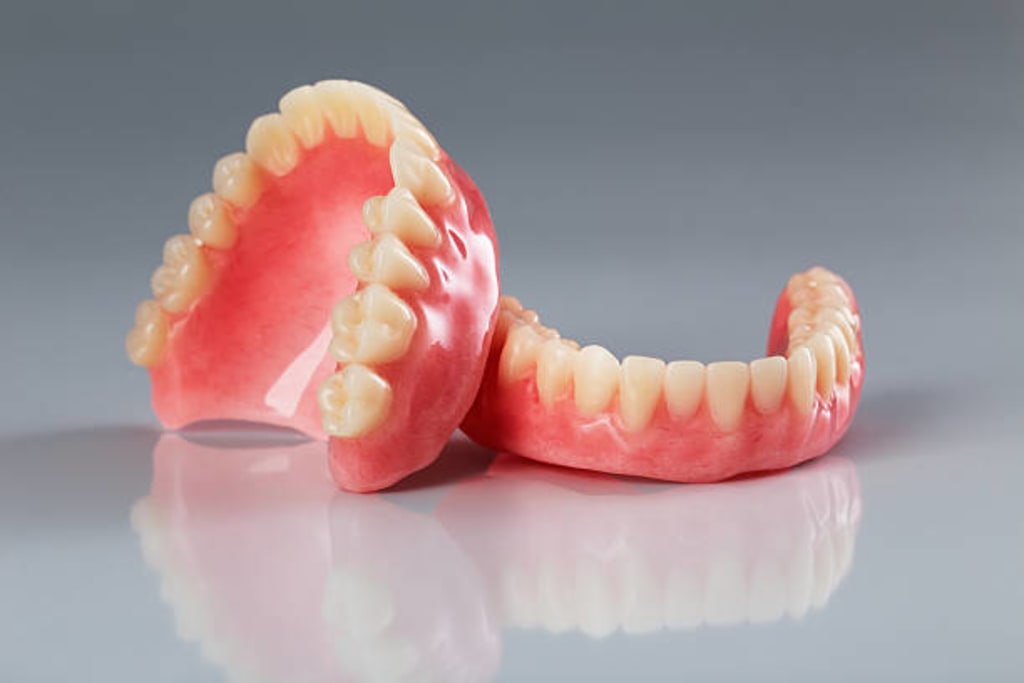
Dentures are a popular solution for people who have lost some or all of their teeth. Whether due to age, decay, or injury, losing teeth can significantly impact one’s ability to speak, chew, and smile confidently. Dentures offer a reliable way to restore both functionality and appearance, allowing individuals to enjoy life with a healthy, confident smile once again. In this blog post, we will explore what dentures are, the different types available, when they are needed, and how to care for them to ensure they last.
What Are Dentures?
Dentures are removable dental appliances designed to replace missing teeth. They can be made to replace a few missing teeth (partial dentures) or a full set (complete dentures). Dentures are customized to fit each patient’s mouth, ensuring they are comfortable, functional, and natural-looking. They are typically made from acrylic resin, porcelain, or a combination of both.
Dentures are not just about aesthetics; they also help maintain the structure of the mouth by preventing the remaining teeth from shifting and helping preserve the shape of the jawbone. While dentures don’t restore natural tooth function entirely, they allow wearers to chew, speak, and smile with greater ease and confidence than without teeth.
Types of Dentures
Dentures come in different types, depending on how many teeth need to be replaced and whether the remaining teeth can support the appliance. The two main categories of dentures are full dentures and partial dentures.
Full Dentures
Full dentures, also known as complete dentures, are used when all the teeth in the upper or lower jaw (or both) are missing. These dentures are designed to fit snugly over the gums, and they rely on the natural suction between the gums and the appliance to stay in place. Full dentures are usually worn by people who have lost all their teeth due to decay, injury, or age-related issues.
There are two types of full dentures:
Conventional Dentures: These are placed in the mouth after any remaining teeth have been removed and the gums have healed, which can take several months.
Immediate Dentures: These are placed immediately after teeth are extracted, offering a temporary solution while the gums heal. However, they may need adjustments as the gums shrink during the healing process.
Partial Dentures
Partial dentures are used when only some teeth are missing. These dentures consist of replacement teeth attached to a gum-colored base, which is held in place by clasps or precision attachments that secure to the remaining natural teeth. Partial dentures help prevent the remaining teeth from shifting into the empty spaces left by lost teeth.
Partial dentures can be made from acrylic, metal, or a combination of both. They are typically lighter and more comfortable than full dentures, as they do not cover the entire roof of the mouth. Partial dentures can be easily removed for cleaning and maintenance, making them convenient for daily use.
Implant-Supported Dentures
Implant-supported dentures are a more permanent solution. These dentures are secured to dental implants that are surgically placed into the jawbone. Implants serve as artificial tooth roots, providing additional stability and preventing bone loss that often occurs after tooth loss. Implant-supported dentures can be used for both partial and full dentures and offer a secure fit, which helps to improve chewing efficiency and overall comfort.
These types of dentures are particularly popular for individuals who want to avoid the issues that can come with traditional removable dentures, such as slipping, irritation, or the need for adhesives.
Why Do You Need Dentures?
There are several reasons why someone may need dentures. Some of the most common reasons include:
To Replace Missing Teeth
Whether due to aging, tooth decay, gum disease, or trauma, dentures are an excellent way to restore missing teeth. They can help improve appearance, speech, and the ability to eat comfortably, making them a practical solution for many individuals.
To Restore Facial Appearance
When teeth are missing, the structure of the face can change, often resulting in a sunken or hollowed appearance. Dentures restore the fullness of the face, helping you look younger and healthier.
To Improve Functionality
Missing teeth can make chewing and speaking difficult. Dentures provide the functionality needed to eat a variety of foods and speak clearly, improving quality of life.
To Prevent Shifting of Remaining Teeth
When a tooth is lost, the surrounding teeth may begin to shift into the empty space. This can cause bite problems and lead to further tooth loss. Dentures help keep the remaining teeth in place and maintain proper alignment.
The Process of Getting Dentures
Getting dentures involves a few important steps that require time and precision to ensure the best possible fit. Here’s an overview of the process:
Consultation and Examination
The first step is to schedule a consultation with your dentist. During this appointment, your dentist will assess your oral health and determine whether dentures are the right solution for you. If you need extractions or other treatments, those will be discussed as well.
Impressions and Measurements
Once you and your dentist decide on the type of dentures, the next step is to take impressions of your mouth. These impressions are used to create custom dentures that fit your mouth perfectly. Measurements are taken to ensure the dentures align with your bite.
Try-in and Adjustments
Once your dentures are created, you will have a try-in appointment where your dentist will place the dentures in your mouth. During this visit, your dentist will check the fit, appearance, and functionality of the dentures. Any necessary adjustments will be made at this time.
Final Fitting
After any adjustments have been made, you will return for a final fitting. The dentures will be checked for comfort and aesthetics, and your dentist will ensure they function properly. At this point, you will be given instructions on how to care for your dentures.
Caring for Dentures
Proper care and maintenance are essential for extending the life of your dentures and ensuring that they remain comfortable and functional. Here are some tips for caring for your dentures:
Clean Your Dentures Daily
Brush your dentures daily with a soft-bristled brush and a denture cleaner (never use regular toothpaste, as it can be abrasive). This helps remove food particles, plaque, and bacteria. Avoid using hot water, as it can warp the dentures.
Soak Dentures Overnight
When you're not wearing your dentures, soak them in a denture solution or plain water to prevent them from drying out and losing their shape.
Rinse After Eating
After eating, remove your dentures and rinse them to remove any food particles. This helps maintain cleanliness and hygiene.
Regular Checkups
Visit your dentist regularly for checkups to ensure that your dentures still fit well and are in good condition. Over time, your gums may change shape, and your dentures may need to be adjusted.
Handle With Care
Dentures are delicate, so handle them carefully to avoid breaking or damaging them. When cleaning or removing them, do so over a soft surface like a towel or a basin of water.
Conclusion
Dentures are a reliable and effective solution for people who have lost teeth, providing a way to restore both function and appearance. With various types of dentures available, including full, partial, and implant-supported options, there’s a solution for nearly every need. At Ziva Dental, we offer personalized consultations to help you determine the best type of dentures for your lifestyle and oral health. If you’re considering dentures, contact us today to schedule a consultation and regain your smile’s confidence.
About the Creator
Ziva Dental
Ziva Dental is a best dental clinic in San Antonio, TX for providing dentistry solution for your entire family. We are specialized in providing dental care services like dental implants, cosmetic dentistry, root canal treatment, etc.
Keep reading
More stories from Ziva Dental and writers in Chapters and other communities.
Search for a Sister, Chapter Two
4-H-N heard not a word about her secret mission around Headquarters over the following days, so had to conclude either Mini-Flash Phytolith hadn’t been listening in after all, or she’d misjudged him. She hoped it was the latter, as she wanted the pair of them to get on, even if he wasn’t going out of his way to make it easy for her.
By Doc Sherwood23 days ago in Chapters
Glass Winter | Chapter X
When it became too much all Mal could do was retreat from the world, despite his high position within the commune. He could no longer cast his thoughts onto all that was beautiful, nor observe the darkness and all its frightful potential. No. He could only be.
By Andrei Babanina day ago in Chapters



Comments
There are no comments for this story
Be the first to respond and start the conversation.