
Enhance Your Career Opportunities After BSL Level 1 and 2 Certification
Discover how British Sign Language Level 1 and 2 certification improves career prospects, volunteering opportunities, and inclusive communication skills in the UK.
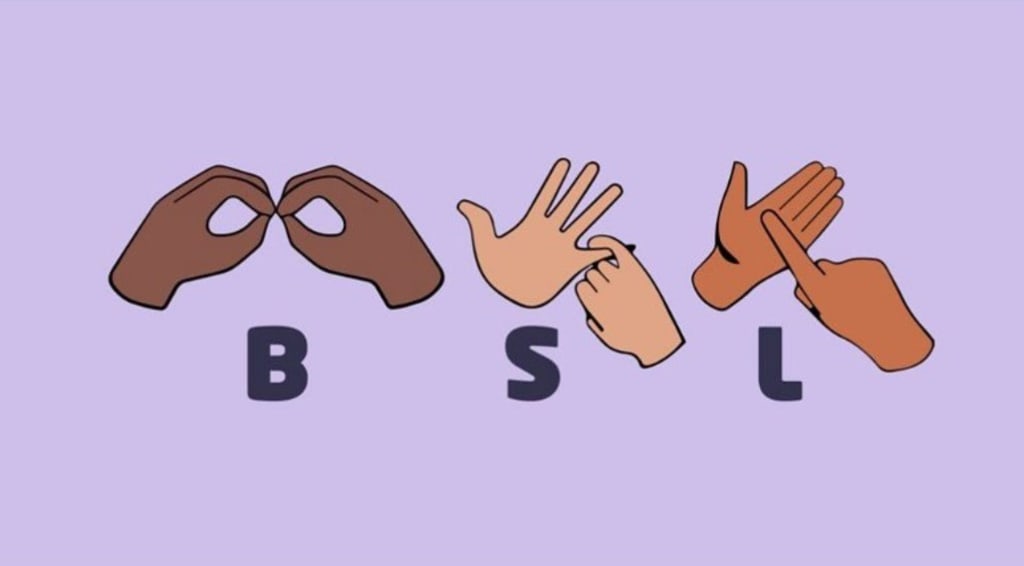
In today’s professional landscape, effective communication is essential for career growth. For individuals working with Deaf or hard-of-hearing communities, being able to communicate in British Sign Language (BSL) is a highly valuable skill. Obtaining British Sign Language Level 1 and 2 certification not only equips learners with practical communication skills but also enhances career opportunities across multiple sectors in the UK.
Whether you are considering roles in healthcare, education, social care, or community services, BSL qualifications demonstrate commitment, professionalism, and the ability to support inclusive environments.
Understanding British Sign Language Level 1 and 2
British Sign Language Level 1 provides beginners with foundational skills. It focuses on basic conversation, simple vocabulary, and understanding Deaf culture. Learners practice:
- Fingerspelling the alphabet
- Everyday greetings and phrases
- Asking and answering basic questions
- Understanding Deaf awareness and etiquette
- Level 2, on the other hand, builds on this foundation. It allows learners to:
- Conduct more detailed conversations
- Communicate in professional settings
- Understand complex sentences
- Support inclusive participation in workplace and community environments
Together, these qualifications provide a comprehensive skill set for beginners and those seeking practical communication abilities.
Career Benefits of BSL Level 1 and 2 Certification
Completing British Sign Language Level 1 and 2 offers tangible advantages for career progression. Employers increasingly value inclusive communication skills, especially in sectors that interact with Deaf communities.
Key benefits include:
Expanded job opportunities – Many roles in healthcare, education, social care, and community services require or prefer BSL knowledge.
Enhanced employability – Certified BSL learners stand out on CVs.
Increased confidence – Communicate effectively with Deaf clients, colleagues, and community members.
Support for further qualifications – Level 2 prepares learners for Level 3 or specialised BSL courses.
Networking opportunities – Connect with Deaf organisations and community projects.
BSL certification demonstrates both practical ability and cultural awareness, which employers highly value.
Sectors Where BSL Skills Are in Demand
BSL skills open doors in multiple professional areas:
- Healthcare
- Hospitals and clinics
- Community health services
- Mental health support teams
- Education
- Teaching assistants in schools
- Early years educators
- Adult education providers
- Social Care
- Care homes and residential support
- Youth work and mentoring programmes
- Volunteer coordinators in community centres
- Public Services & Community Work
- Local councils
- Charities supporting Deaf communities
- Sports, arts, and leisure programmes
Having BSL knowledge ensures inclusive service delivery and strengthens the quality of care and engagement.
How Certification Supports Volunteering
Volunteering is a great way to gain experience while making a difference. With BSL Level 1 and 2, volunteers can:
- Communicate confidently with Deaf participants
- Support community activities and events
- Reduce communication barriers in social programs
- Serve as role models for inclusive behaviour
Volunteering with BSL skills can also be a stepping stone to paid employment in community services.
Practical Skills Learned
The BSL Level 1 and 2 courses teach practical skills that are immediately useful in the workplace:
Communication skills – Clear, concise, and culturally aware signing
Active listening – Understanding non-verbal cues and visual communication
Team collaboration – Working effectively with Deaf and hearing colleagues
Problem-solving – Adapting communication methods for different situations
These skills improve employability and make daily interactions smoother for both employees and service users.
Flexible Learning Options
UK learners can choose from a variety of course formats to fit their lifestyle:
- Online self-paced modules
- Tutor-led virtual classes
- Evening or weekend sessions
- Blended learning with in-person workshops
This flexibility allows learners to balance work, study, and personal commitments while gaining recognised qualifications.
Progression After Level 1 and 2
Completing Level 1 and 2 certification sets learners on a pathway to further professional development:
Level 3 BSL Certificate – For advanced communication and leadership roles
Specialised training – Working with children, healthcare, or public services
Teaching opportunities – Assist in BSL classes or community education
Enhanced employability – Qualify for roles requiring inclusive communication skills
Progression ensures that learners can continue to grow professionally while supporting accessibility and equality.
Tips for Maximising Career Opportunities
To make the most of your BSL qualification:
- Update your CV with the BSL levels achieved
- Mention BSL skills in job applications and interviews
- Volunteer with local Deaf organisations
- Engage in continuous practice and attend workshops
- Network with professionals in healthcare, education, and social care
Active engagement and practical experience help transform certification into real career benefits.
Conclusion
British Sign Language Level 1 and 2 certification offers far more than a formal qualification. It equips learners with essential communication skills, cultural awareness, and practical experience to work effectively in inclusive environments. Whether pursuing employment in healthcare, education, or community services, these qualifications open doors to a wide range of opportunities. By completing Level 1 and 2, learners gain confidence, credibility, and the skills needed to make a meaningful impact in professional and volunteer roles.
Investing time in BSL training is not just about learning a language—it is about creating accessible workplaces, supporting inclusion, and enhancing your long-term career prospects.
FAQ
1. What is the difference between BSL Level 1 and 2?
Level 1 covers basic communication; Level 2 develops more detailed conversation and professional skills.
2. Can I volunteer after completing Level 1 and 2?
Yes. These levels provide the skills needed to support Deaf communities in volunteering roles.
3. How long does it take to complete Levels 1 and 2?
Each level typically takes 6–12 weeks, depending on the learning pace.
4. Are BSL qualifications recognised in the UK?
Yes. BSL Level 1 and 2 are nationally recognised and widely valued by employers.
5. Can I progress to higher BSL levels?
Yes. Completing Level 2 allows progression to Level 3 and specialised courses for advanced communication roles.



Comments
There are no comments for this story
Be the first to respond and start the conversation.