
Digital Nomad in Thailand: Your Ultimate Guide to Remote Work Paradise
Discover Why Thailand Is a Top Destination for Location-Independent Professionals

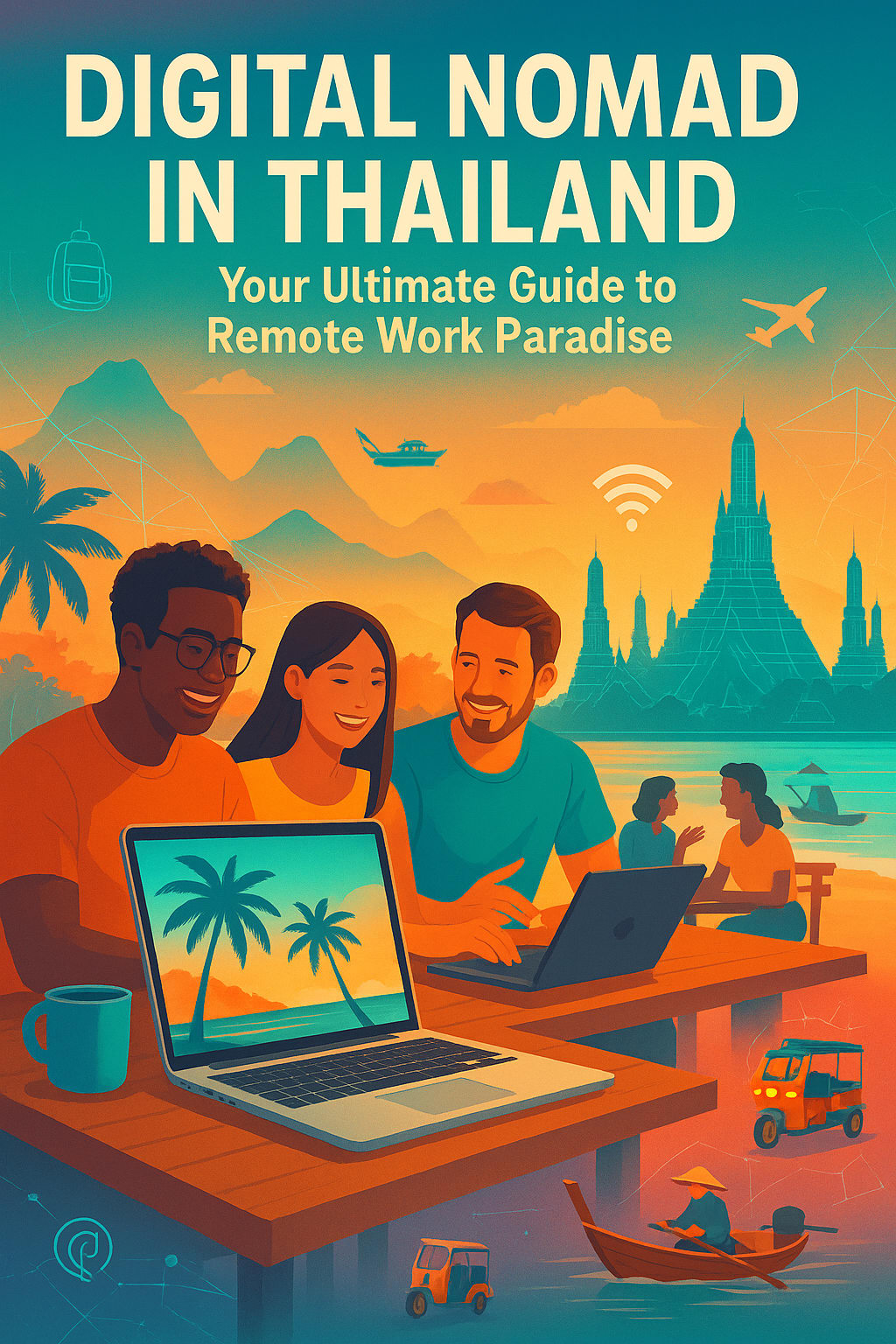
Thailand has emerged as a premier destination for digital nomads in Thailand, blending affordable living, tropical landscapes, and a thriving remote work community. Whether you’re a freelancer, entrepreneur, or remote employee, this guide covers everything you need to thrive as a digital nomad in the Land of Smiles.
Why Thailand Is Perfect for Digital Nomads
Thailand’s appeal for digital nomads in Thailand lies in its unique mix of modern amenities and cultural charm. With reliable high-speed internet, affordable cost of living (starting at 1,000–1,000–1,500/month), and vibrant expat communities in cities like Chiang Mai, Bangkok, and Phuket, it’s no wonder remote workers flock here.
Visa Options for Digital Nomads
While Thailand doesn’t yet offer a dedicated digital nomad visa, options like the Tourist Visa (60 days + 30-day extension), Smart Visa (for tech professionals), and the new Long-Term Resident (LTR) Visa cater to remote workers. Many nomads use visa runs or education visas for extended stays.
Top Cities for Digital Nomads in Thailand
Chiang Mai: Known as the “Digital Nomad Capital” for its low costs, coworking spaces (Punspace, CAMP), and mountain scenery.
Bangkok: A bustling hub with modern coworking spots like The Hive and Hubba.
Phuket and Koh Samui: Ideal for beach lovers, offering coworking cafes like KoHub.
Cost of Living Breakdown
Accommodation: 300–800/month (studio or 1-bedroom apartment)
Food: 5–10/day for street food or local markets
Coworking Spaces: 50–150/month
Transport: Affordable via Grab, motorbike rentals, or BTS Skytrain in Bangkok.
Thriving as a Digital Nomad in Thailand
Internet Speeds: Average 50–200 Mbps in cities.
Networking: Join communities like Digital Nomads Chiang Mai or Bangkok Meetups.
Cultural Tips: Respect local customs, learn basic Thai phrases, and balance work with exploration.
Challenges to Consider
Visa Complexity: Stay updated on immigration policies.
Air Quality: Northern Thailand faces smoky seasons (Feb–April).
Work-Life Balance: Avoid burnout by setting boundaries.
Tax Considerations for Digital Nomads in Thailand
Understanding tax obligations is critical for digital nomads in Thailand to avoid legal pitfalls. Here’s a breakdown of key rules and practical advice
1. Tax Residency Rules
Resident vs. Non-Resident: Thailand taxes residents on worldwide income, while non-residents are taxed only on income earned in Thailand.
You become a tax resident if staying 180+ days in a calendar year.
Non-residents pay taxes solely on Thai-sourced income (e.g., work performed locally).
2. Income Sourced in Thailand
Remote work conducted while physically in Thailand may be considered Thai-sourced income, technically requiring taxation. However, enforcement remains rare for freelancers serving foreign clients.
Work Permit Requirement: Legally, paying taxes requires a work permit, which most digital nomads lack on tourist visas. This creates a gray area.
3. Tax Rates and Filing
Thailand’s progressive tax rates range from 0% (income under ฿150,000/year) to 35% (over ฿4 million/year).
To file taxes, obtain a Tax ID Number (requires a non-immigrant visa or work permit).
4. Double Taxation Agreements (DTAs)
Thailand has DTAs with over 60 countries (e.g., USA, UK, Australia). These treaties may allow you to:
Avoid being taxed twice on the same income.
Claim exemptions or credits in your home country.
5. Long-Term Resident (LTR) Visa Implications
The LTR Visa for remote workers requires proof of income (≥$80,000/year) but does not automatically make you a tax resident unless you stay 180+ days.
Final Thoughts
For digital nomads in Thailand, the country offers an unmatched blend of affordability, culture, and connectivity. By planning your visa, budgeting wisely, and immersing yourself in local communities, you can turn Thailand into your remote work paradise.
About the Creator
Thanuwat
A human internet network.




Comments