
Diabetes and Driving
7 Things You Need to Know

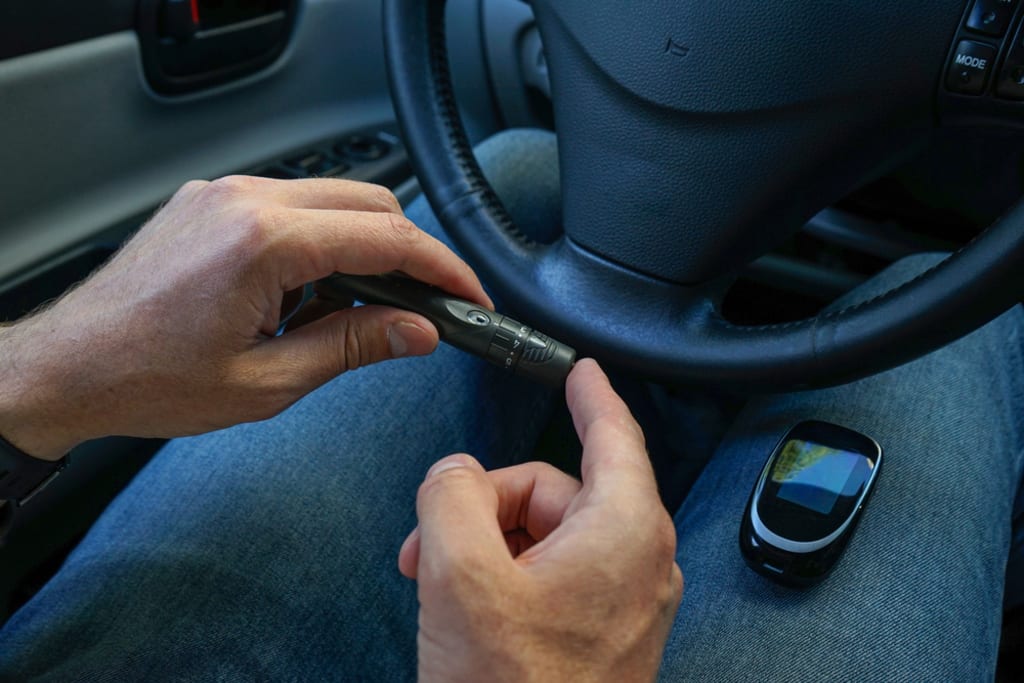
Living with diabetes doesn't mean you have to give up driving, but there are important factors to consider and steps to take before getting behind the wheel.
1. Ensuring You're Fit to Drive
Whether you have type 1 or type 2 diabetes, you can still obtain a driver's license, but you'll need to provide a medical report from your doctor or specialist confirming that you are fit to drive. If you use insulin, you may be required to obtain a new medical clearance every two years.
2. Notify the Authorities
It's your legal duty to inform the Driver Licensing Authority (DLA) in your state or territory if you are using blood glucose-lowering medications, including insulin. If your diabetes is managed solely through diet and exercise, notification requirements may vary, so check with your local DLA.
3. Insurance Considerations
Be sure to inform your car insurance provider that you have diabetes. Providing accurate information is essential for obtaining the appropriate insurance coverage. If you fail to disclose your diabetes and are involved in an accident, you might not be covered and could be denied the ability to file a claim.
4. Keep Your Blood Glucose Level Safe
Before driving, check your blood glucose level (BGL). It should be above 5mmol/L to ensure you can drive safely. Carry your blood glucose meter with you and check your BGL every two hours during long trips.
5. Stay Prepared
Watch for signs of hypoglycemia (low blood sugar), as it can develop quickly. Early symptoms include trembling, light-headedness, hunger, and headache. Carry fast- and slow-acting carbohydrate foods or drinks with you in case you start to experience these symptoms.
6. High Blood Glucose Levels Matter Too
Although less immediate, high blood glucose levels can lead to fatigue, blurred vision, and impaired decision-making. If you're feeling unwell and your levels are high, it's best not to drive.
7. Other Factors to Consider
Diabetes-related complications, such as issues with your eyes or feet, can affect your ability to drive. If you notice changes in your vision or experience nerve damage in your feet, consult with a healthcare provider before driving. Additionally, if you feel excessively drowsy while driving, discuss the possibility of sleep apnea with your doctor.
About the Creator
Fun With Mattie
I'm a writer and digital marketer with over 10 years of experience in the field. I have managed successful content, online marketing, and B2B marketing programs for startups, small businesses, and multinational organizations.
Keep reading
More stories from Fun With Mattie and writers in Chapters and other communities.
Demystifying Dementia - Everything You Need to Know
In her book Demystifying Dementia, Rose Capp provides a comprehensive guide to understanding and reducing the risk of dementia, a condition that can be frightening for many. In this excerpt, she emphasizes that while certain risk factors for dementia are beyond our control, such as age, genetics, and gender, there are numerous lifestyle changes we can make to reduce our risk.
By Fun With Mattieabout a year ago in BookClub
Fair Exchange, No Robberies
Dark Memoirs - Index There are at least two kinds of people in the world: those who write this half-arsed kind of intro to a story that looks to separate the rare and the norm, and those who realise it's an overused framing device and don't.
By Paul Stewart14 days ago in Chapters
The Body as a Warning
The body always knows before the mind admits it. Long before the thoughts begin to fray, long before the brilliance turns brittle, long before the light fractures into something sharp, my body starts sending signals — quiet, precise, insistent. Not alarms. Not emergencies. Warnings.
By Elisa Wontorcik3 days ago in Chapters
How to Succeed at the Benson Directory®
Congratulations and welcome to the Benson Directory® employee #22391! As our newest call handler, you will have the privilege of speaking with dozens of unique and interesting people on a daily basis as well as the opportunity to earn bonuses for high performance. Contained within this handbook you will find a set of ease to follow instructions designed to help you settle in to your new role and begin paving the way to success.
By S. A. Crawford2 days ago in Fiction



Comments
There are no comments for this story
Be the first to respond and start the conversation.