
Demystifying Dementia - Everything You Need to Know
Book Extract

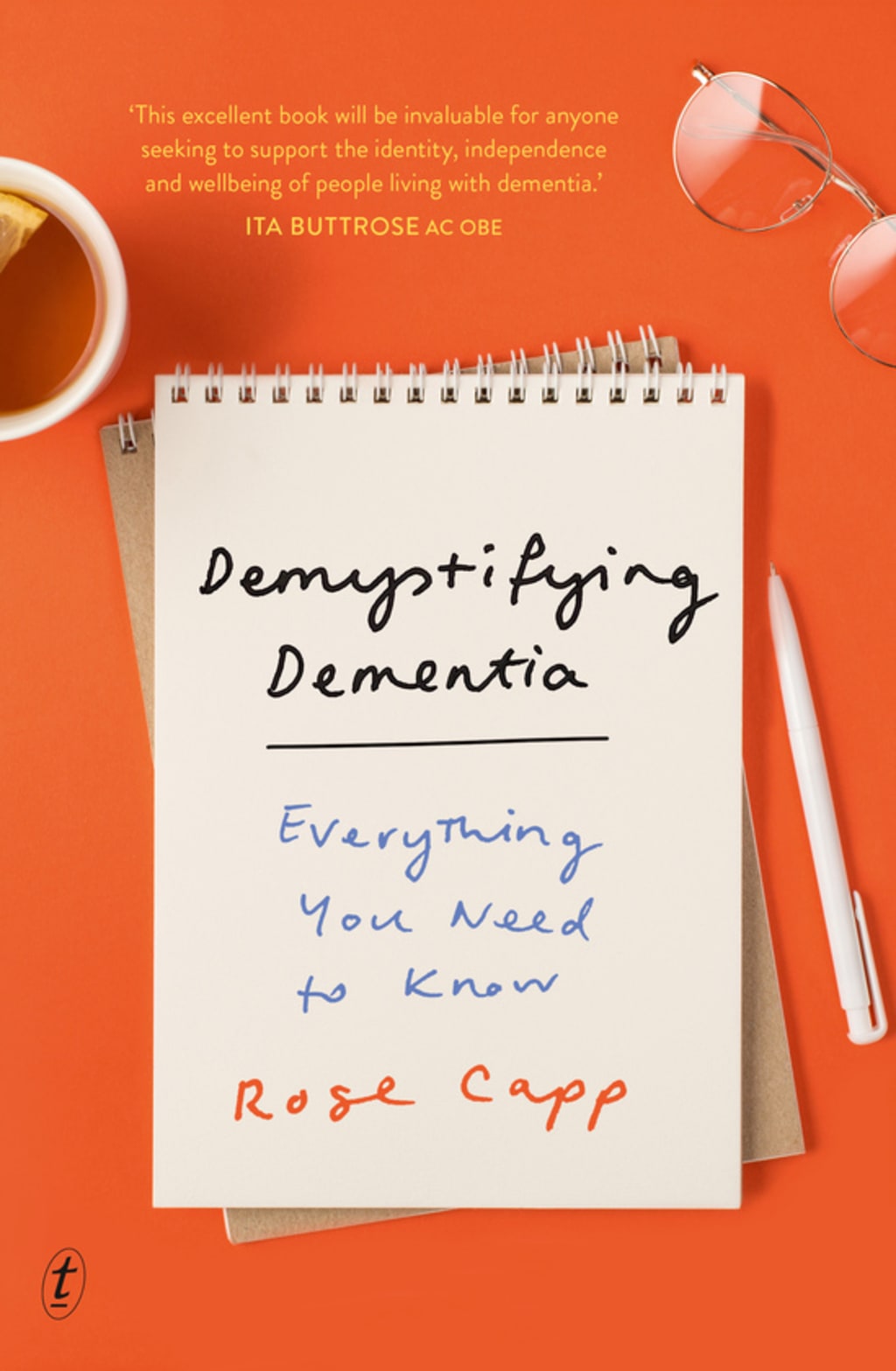
In her book Demystifying Dementia, Rose Capp provides a comprehensive guide to understanding and reducing the risk of dementia, a condition that can be frightening for many. In this excerpt, she emphasizes that while certain risk factors for dementia are beyond our control, such as age, genetics, and gender, there are numerous lifestyle changes we can make to reduce our risk.
Non-Modifiable Risk Factors
Age: Most dementia cases are diagnosed in older age, partly because brain damage accumulates over time, and older individuals are more likely to have other health conditions like high blood pressure, heart disease, and diabetes.
Genetics: While genes can increase the risk of dementia, they do not guarantee its development. A family history of Alzheimer’s may slightly raise the risk, especially if multiple first-degree relatives are affected.
Sex: Women are at a higher risk of developing Alzheimer’s, possibly due to longer lifespans and fluctuating estrogen levels.
Modifiable Risk Factors
These are factors you can control to reduce your risk of developing dementia:
- Obesity and Hypertension in Midlife
- Hearing Loss in Midlife
- Tobacco Smoking and Excessive Alcohol Consumption
- Physical Inactivity and High Cholesterol
- Diabetes and Depression
- Social Isolation
- Low Levels of Education in Early Life
- Air Pollution and Traumatic Brain Injury
Around 40% of dementia cases worldwide could be prevented by addressing these modifiable risk factors. Even a 20% reduction in key risk factors could significantly decrease the global prevalence of Alzheimer’s disease.
Recommendations for Reducing Dementia Risk
The World Health Organization recommends several lifestyle changes to help reduce dementia risk, such as regular physical activity, maintaining a healthy diet and weight, quitting smoking, reducing alcohol intake, staying socially connected, and managing other health conditions like hypertension and diabetes.
Cognitive and Social Engagement
Keeping the brain active and socially engaged is crucial in reducing dementia risk. Cognitive challenges, like learning new skills or changing routines, help maintain brain health. Social isolation, a significant risk factor, can be mitigated by maintaining regular contact with others and expanding social circles. Activities that combine cognitive, physical, and social engagement, like dancing, are particularly beneficial. Studies show that regular dancing can reduce dementia risk by 76%, more than any other activity.
Physical Activity and Healthy Eating
Regular physical activity and a healthy diet, particularly the Mediterranean diet, are essential in maintaining overall health and reducing dementia risk. Moderation in alcohol consumption, especially red wine, and quitting smoking also contribute to lower dementia risk. Managing conditions like diabetes and hypertension through diet, exercise, and medical consultation is also important.
Final Thoughts
Rose Capp encourages readers to start dementia risk-reduction measures as early as their thirties and forties. The key message is to stay active, both physically and mentally, and to maintain social connections to protect against dementia.
About the Creator
Fun With Mattie
I'm a writer and digital marketer with over 10 years of experience in the field. I have managed successful content, online marketing, and B2B marketing programs for startups, small businesses, and multinational organizations.
Keep reading
More stories from Fun With Mattie and writers in BookClub and other communities.
What is Soymamicoco?
The article explores the intriguing term "Soymamicoco," describing it as a linguistic enigma with uncertain origins. It emphasizes the term's potential significance in various domains, including cultural curiosity, creative inspiration, and digital discovery. The piece encourages readers to embrace Soymamicoco's presence, engage in exploration, and incorporate it into artistic and digital endeavors. Ultimately, Soymamicoco is portrayed as a thread of curiosity and exploration, inviting individuals on a journey of discovery and expression across diverse facets of life.
By Fun With Mattie2 years ago in Journal
My New Book is Finally Here
My poetry collection Beautiful and Brutal Things is done. It's actually done and finally published over 270 pages. Over a year of my life went into this book. More than a year, really. Long days at my computer, sometimes seven days a week because I couldn't stop even when I probably should have. Then two months of editing that felt harder than the writing itself. But it's finished, and I'm still standing, and the book is real.
By Tim Carmichael2 days ago in BookClub
7 Dystopian Books You Must Read In 2026
In an era where society constantly wrestles with technological advances, political unrest, and environmental crises, dystopian literature offers a mirror to our present and a cautionary glimpse of the future. These books are more than just stories—they challenge our beliefs, provoke critical thinking, and explore the fragility of civilization. Below is a list of 7 dystopian books you must read in 2026.
By Diana Meresc6 days ago in BookClub




Comments (1)
Excellent review