
Chapter 4: Migration to Madinah (Hijrah)
When leaving home became the path to survival, faith, and a new beginning


Migration to Madinah (Hijrah)
The situation in Makkah became extremely difficult for Prophet Muhammad (peace be upon him) and his followers. The Quraysh leaders had failed to stop the spread of Islam through threats, insults, and punishment. Islam continued to grow quietly, but the anger of the Quraysh also increased. Muslims were mocked, beaten, and socially rejected. Some were tied under the hot sun, others were starved, and many lost their families and homes. Life in Makkah was no longer safe for those who believed in one God.
Prophet Muhammad (peace be upon him) never asked his followers to fight back in Makkah. Instead, he taught patience, peace, and trust in Allah. But the pressure became unbearable. Many Muslims were weak, poor, or had no tribal protection. They needed a place where they could live freely and practice their faith without fear.
At the same time, Allah was preparing a new path.
Far from Makkah was a city called Yathrib, later known as Madinah. The people of Yathrib were divided into tribes and had been fighting among themselves for many years. They had heard about Prophet Muhammad (peace be upon him) and his message of peace, justice, and unity. During the Hajj season, some people from Yathrib met the Prophet in Makkah. They listened to the Qur’an and were deeply moved.
They accepted Islam and invited the Prophet to come to their city. They promised to protect him like their own family and to follow his guidance. This invitation was a turning point in Islamic history.
Allah then gave permission to the Muslims to migrate.
This migration is called Hijrah.
The Hijrah was not just a journey from one city to another. It was a test of faith, sacrifice, and trust in Allah. Muslims had to leave behind their homes, wealth, businesses, and sometimes even their families. They left secretly, in small groups, to avoid being stopped by the Quraysh.
Finally, the Quraysh realized that Muslims were leaving Makkah. They became afraid that Islam would grow stronger in Madinah. In anger, they planned to kill Prophet Muhammad (peace be upon him). Leaders from different tribes agreed to attack him together so no single tribe would be blamed.
Allah informed the Prophet about the plan.
On the night of the attack, Prophet Muhammad (peace be upon him) asked his cousin Ali (may Allah be pleased with him) to sleep in his bed. This showed great courage and trust. The Prophet then quietly left his house while the attackers waited outside.
He was not alone.
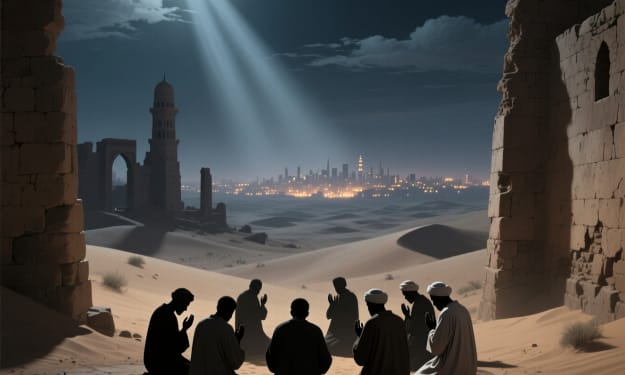
He traveled with his close friend Abu Bakr (may Allah be pleased with him). They did not go directly to Madinah. Instead, they hid in a cave called Cave Thawr for three days. The Quraysh searched everywhere and came very close to the cave. But Allah protected them. A spider’s web and a bird’s nest appeared at the cave entrance, making it seem untouched.
When the danger passed, the Prophet and Abu Bakr continued their journey across the desert. It was a long and difficult journey, but their hearts were firm. They trusted Allah completely.
When Prophet Muhammad (peace be upon him) finally reached Madinah, the people welcomed him with joy. Men, women, and children came out singing and celebrating. They had been waiting eagerly. This was not just the arrival of a man—it was the arrival of hope, justice, and peace.
In Madinah, Muslims were finally free.
The Prophet established brotherhood between the migrants from Makkah (called Muhajirun) and the local Muslims of Madinah (called Ansar). The Ansar shared their homes, food, and wealth. This created a society based on kindness, equality, and faith rather than tribe or race.
The Hijrah marked the beginning of a new chapter in Islam. For the first time, Muslims formed a community with laws, responsibility, and leadership based on justice and mercy. Islam was no longer just a message—it became a way of life practiced openly.
Because of its importance, the Hijrah became the starting point of the Islamic calendar.
The migration to Madinah teaches us powerful lessons. It shows that sometimes leaving behind what we love is necessary to protect what we believe in. It teaches patience during hardship, courage in danger, and trust in Allah even when the path seems uncertain.
Hijrah was not an escape.
It was a step forward.
It was the foundation of a civilization built on faith, justice, and compassion.
About the Creator
Wings of Time
I'm Wings of Time—a storyteller from Swat, Pakistan. I write immersive, researched tales of war, aviation, and history that bring the past roaring back to life
Keep reading
More stories from Wings of Time and writers in Chapters and other communities.
Chapter 3: Early Persecution in Makkah
Early Persecution in Makkah In the early years after the birth of Islam, Makkah was a city deeply rooted in tradition, power, and pride. The Quraysh tribe controlled trade, religion, and social order. The Ka‘bah stood at the heart of the city, filled with idols that represented not only religious beliefs but also economic power. Pilgrims from across Arabia came to worship these idols, bringing wealth and status to the Quraysh. When Prophet Muhammad ﷺ began preaching the message of one God, it was not seen as just a religious idea—it was viewed as a direct threat to the entire system of Makkah.
By Wings of Time 2 months ago in Chapters
The Guardian Chapter V
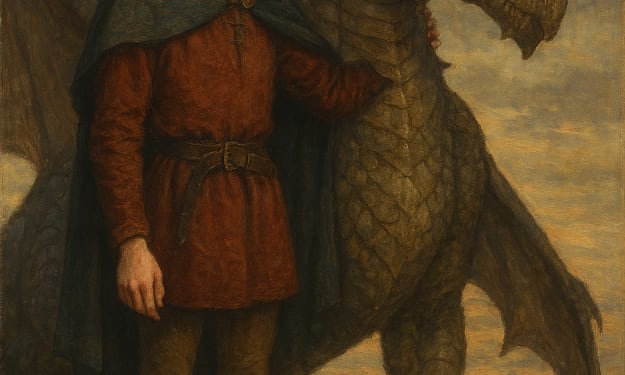
Alexander left his Coming of Age ceremony with Cronos and the elders with as many new questions as he had answers for his old questions. Cronos had confirmed his suspicions were correct. Not only was there a link between the Beast Masters and the inhabitants of the Citadel, but it was the Citadel's fault that the Beast Masters existed in the first place. Instead of banishing the law breakers which allowed them to wreak havoc on the rest of humanity, the Citadel elders should have stripped them of their powers before they became too strong. Now Alexander would need to battle the Beast Masters and the Jikininki. It would be difficult for him to forgive the Citadel Elders because their poor decisions led to the deaths of his parents and more than half the planet's human population.
By Mark Gagnon15 days ago in Chapters


Comments
There are no comments for this story
Be the first to respond and start the conversation.