
Carrots and Kidney Health: A Comprehensive Analysis
Nutritional Profile of Carrots
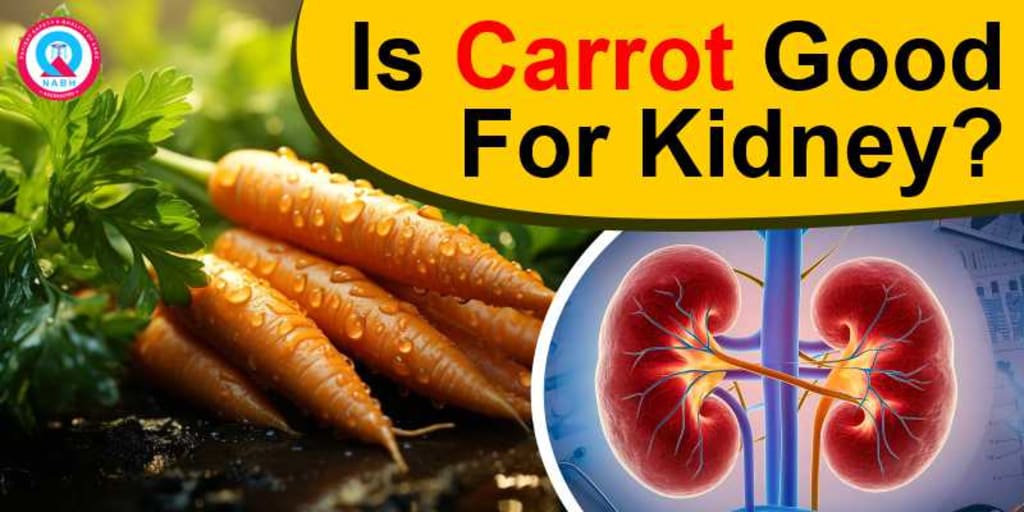
Introduction
Carrots, with their vibrant orange hue and crunchy texture, are a staple in kitchens worldwide. Beyond their culinary versatility, they are celebrated for their rich nutrient profile. But for individuals with kidney disease or those aiming to support renal health, the question arises: Are carrots truly beneficial for the kidneys? This article synthesizes evidence from medical studies, dietary guidelines, and expert recommendations to explore the role of carrots in kidney health, addressing both their advantages and potential precautions.
Nutritional Profile of Carrots
Carrots are nutrient-dense root vegetables packed with vitamins, minerals, and antioxidants. A 1-cup (128g) serving of raw carrots provides 5 6:
- Calories: 52
- Fiber: 4g
- Vitamin A: 432% of the Daily Value (DV) (as beta-carotene)
- Vitamin K: 21% DV
- Potassium: 200–259 mg (cooked)
- Phosphorus: ~19mg
- Antioxidants: Beta-carotene, lutein, and anthocyanins.
Their low calorie, moderate potassium, and minimal phosphorus content make them a strategic choice for kidney-friendly diets, particularly for those managing chronic kidney disease (CKD) 1 8.
Benefits of Carrots for Kidney Health
1. Antioxidant Powerhouse
Carrots are rich in beta-carotene, a precursor to vitamin A, and other antioxidants like vitamin C. These compounds combat oxidative stress, a key contributor to kidney damage and inflammation. Studies suggest that antioxidants in carrots may protect nephrons (kidney filtering units) and reduce the risk of CKD progression. For example, a 2023 umbrella review linked carrot consumption to reduced risks of cancers and inflammatory diseases, which indirectly supports kidney health.
2. Anti-Inflammatory Properties
Chronic inflammation is a hallmark of advanced kidney disease. Carrots’ beta-carotene and anthocyanins exhibit anti-inflammatory effects, potentially slowing kidney scarring and atherosclerosis (a common comorbidity in CKD patients).
3. Blood Pressure Regulation
High blood pressure exacerbates kidney damage. Carrots contain potassium (~12% DV per serving), which helps balance sodium levels and relax blood vessels. However, their potassium content is moderate compared to potatoes or bananas, making them safer for early-stage CKD patients.
4. Low Phosphorus Content
Phosphorus restriction is critical for advanced CKD patients to prevent bone and cardiovascular complications. Carrots’ naturally low phosphorus levels (~19mg per ½ cup) make them a safer alternative to high-phosphorus foods like dairy or processed meats.
5. Kidney Stone Prevention
Carrots contain moderate oxalates (~16mg/100g), but research shows carrot juice may paradoxically lower urinary oxalate levels by 45% in some individuals, reducing calcium oxalate stone risk 512. Their high water content also promotes hydration, further mitigating stone formation.
6. Blood Sugar Management
Carrots’ fiber slows glucose absorption, aiding blood sugar control—a critical factor for diabetic nephropathy patients. A 12-week study found regular carrot consumption reduced hemoglobin A1c by 4% in diabetic women.
Precautions for Specific Kidney Conditions
While carrots are generally kidney-friendly, certain populations require caution:
1. Advanced CKD and Dialysis Patients
End-stage renal disease (ESRD) patients on dialysis must strictly limit potassium. Cooked carrots contain 259mg potassium per ½ cup, so portion control is essential. Pairing carrots with low-potassium foods (e.g., apples, cauliflower) is advised.
2. Oxalate-Sensitive Kidney Stone Formers
Though carrot oxalate levels are moderate, those with a history of calcium oxalate stones should consult a dietitian before increasing intake. Boiling carrots and discarding cooking water can reduce soluble oxalates.
3. Vitamin A Concerns
Excessive vitamin A from supplements can be toxic, but beta-carotene from carrots is safely regulated by the body. CKD patients with vitamin A deficiencies (common in advanced stages) benefit from whole-food sources like carrots.
Serving Recommendations
- General CKD Patients: 1–2 raw carrots or ½–1 cup cooked daily.
- Dialysis Patients: Limit to ½ cup cooked carrots 2–3 times weekly.
- Juices: Restrict to 4–6 oz daily due to concentrated potassium.
Kidney-Friendly Carrot Recipes
- Roasted Carrot Sticks: Toss with olive oil, garlic, and rosemary; roast at 400°F until tender.
- Carrot-Cucumber Salad: Combine shredded carrots, cucumber, and lemon juice for a low-potassium side.
- Carrot-Ginger Soup: Simmer carrots, ginger, and low-sodium broth; blend until smooth.
Conclusion
Carrots are a nutrient-dense, kidney-friendly food for most individuals, offering antioxidants, anti-inflammatory benefits, and blood pressure support. While their moderate potassium and oxalate levels require cautious intake in advanced CKD or stone-prone patients, they remain a versatile and affordable addition to renal diets. As always, personalized advice from a healthcare provider or dietitian is crucial for optimizing kidney health.
By integrating carrots into balanced meals—paired with hydration and other low-potassium foods—individuals can harness their benefits while safeguarding renal function.
References
For further reading, explore the National Kidney Foundation, DaVita Kidney Care, and peer-reviewed studies on PubMed.
About the Creator
khaliq dad
Khaliq Dad is a passionate writer and content creator with a keen interest in producing insightful and engaging articles. With a flair for research and storytelling, he brings fresh perspectives to a wide range of topics.
Keep reading
More stories from khaliq dad and writers in Chapters and other communities.
Do Carrots Help Your Eyesight? Separating Myth from Reality
For generations, parents have encouraged their children to eat carrots by claiming that these crunchy orange vegetables can improve eyesight. This belief has become so ingrained in popular culture that it’s often taken as fact. But is there any scientific truth behind the idea that carrots can enhance vision, or is it just a myth? In this article, we’ll explore the origins of this claim, examine the nutritional benefits of carrots, and determine whether they truly have a significant impact on eyesight.
By khaliq dad11 months ago in Chapters
Search for a Sister, Chapter Two
4-H-N heard not a word about her secret mission around Headquarters over the following days, so had to conclude either Mini-Flash Phytolith hadn’t been listening in after all, or she’d misjudged him. She hoped it was the latter, as she wanted the pair of them to get on, even if he wasn’t going out of his way to make it easy for her.
By Doc Sherwood18 days ago in Chapters



Comments
There are no comments for this story
Be the first to respond and start the conversation.