
Buzzling Life
Exploring the Fascinating World of Bees

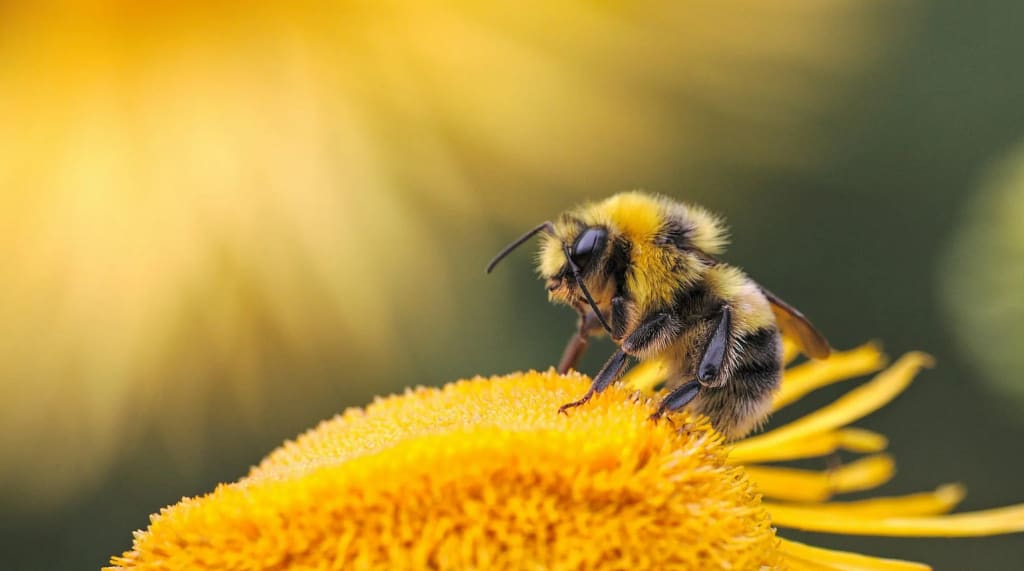
In the intricate tapestry of life on Earth, few creatures are as vital and captivating as bees. These industrious insects play a crucial role in pollination, ecosystem health, and food security, making them indispensable to human survival. In this article, we embark on a journey into the bustling world of bees to uncover the secrets of their remarkable lives.
The Life of Bees:
Social Structure:
Bees are highly social insects that live in organized colonies, each consisting of a queen, drones, and workers. The queen is responsible for laying eggs, while workers perform various tasks such as foraging, nursing larvae, and building and defending the hive.
Communication:
Bees communicate through a complex system of pheromones, vibrations, and dances. The waggle dance, performed by worker bees, conveys information about the location of food sources and serves as a remarkable example of insect communication.
Foraging and Pollination:
Bees are prolific pollinators, playing a critical role in the reproduction of flowering plants. As they forage for nectar and pollen, bees inadvertently transfer pollen between flowers, facilitating fertilization and the production of fruits and seeds.
Hive Architecture:
Bees construct intricate hexagonal wax cells within their hives, where they raise their brood and store food reserves. The hive’s architecture is optimized for efficiency and space utilization, reflecting the ingenuity of these remarkable insects.
The Importance of Bees:
Pollination Services:
Bees are responsible for pollinating a vast array of crops, including fruits, vegetables, nuts, and oilseeds. Their pollination services contribute billions of dollars to global agricultural production and are essential for maintaining food security.
Ecosystem Health:
Beyond agriculture, bees play a crucial role in maintaining ecosystem health and biodiversity. They pollinate wild plants, sustain wildlife habitats, and contribute to the stability and resilience of ecosystems.
Economic and Cultural Significance:
Bees have significant economic and cultural importance worldwide. Honey production, beeswax, and other hive products support livelihoods and local economies, while honey has been revered for its culinary, medicinal, and symbolic value throughout history.
Challenges Facing Bees:
Habitat Loss:
Habitat loss and fragmentation due to urbanization, agricultural expansion, and deforestation threaten bee populations and their foraging habitats. Loss of floral resources reduces food availability for bees and contributes to population declines.
Pesticide Exposure:
Exposure to pesticides, particularly neonicotinoids and other systemic insecticides, poses a significant threat to bee health. Pesticides can impair bees’ navigational abilities, weaken their immune systems, and disrupt their reproductive cycles.
Climate Change:
Climate change alters flowering patterns, disrupts bee habitats, and exacerbates environmental stressors such as droughts and extreme weather events. These changes pose challenges for bees’ survival and exacerbate existing threats to their populations.
Bees are extraordinary creatures that embody the beauty and complexity of the natural world. As stewards of the environment, it is our collective responsibility to protect and conserve bee populations, safeguard their habitats, and mitigate the threats they face. By nurturing our relationship with bees and recognizing their invaluable contributions to our planet, we can ensure a brighter future for both bees and humanity.
About the Creator
Keep reading
More stories from Gus Woltmann and writers in Chapters and other communities.
Facing the Thirst
Water, the elixir of life, is facing unprecedented challenges in the 21st century. As the global population burgeons, climate change intensifies, and water resources dwindle, the specter of water shortages looms large. In this article, we delve into the implications of future water scarcity and the far-reaching consequences it may entail.
By Gus Woltmann9 months ago in Chapters
Bruce Lee and The God of War: Kuan Ti
It starts with love.. The Power to the God Of War and Wealth Walk into a Chinese restaurant (even in Oklahoma, USA), a Chinese police station, a kung fu martial arts studio or even a Chinese temple and you often see a red faced warrior holding a heavy quan-do (spear like weapon).
By WILD WAYNE : The Dragon King6 days ago in Chapters
Where's the Glory?
In breaking news, rehabilitated Republican Senator Johnnie Johnson (Pronouns: HE, HIM, HIS) called a press conference from the Men’s room of the New Orleans Louis Armstrong International Airport, Concourse B, across from the Ignatius Reilly’s Lucky Dog stand. The Senator had just returned from a sexual reorientation rehabilitation program in Memphis, TN after being publically disgraced at a Buckee’s Truckstop restroom soliciting sex from an undercover cop three months ago. He is a founding member of the Reformed Christians for Christ, a conservative, pro-family and ex-gay advocacy group. In the spirit of being reborn, Senator Johnson invited reporters to marvel at his plans for a major remodeling of airport bathrooms.
By Cathy Schieffelin6 days ago in Humor


Comments