
Bulgaria Became the 21st Member of the Currency Union, Bringing Euro Users to Over 350 Million
“Sometimes a currency change is more than money — Bulgaria’s euro adoption signals a deeper shift toward Europe’s shared future.”
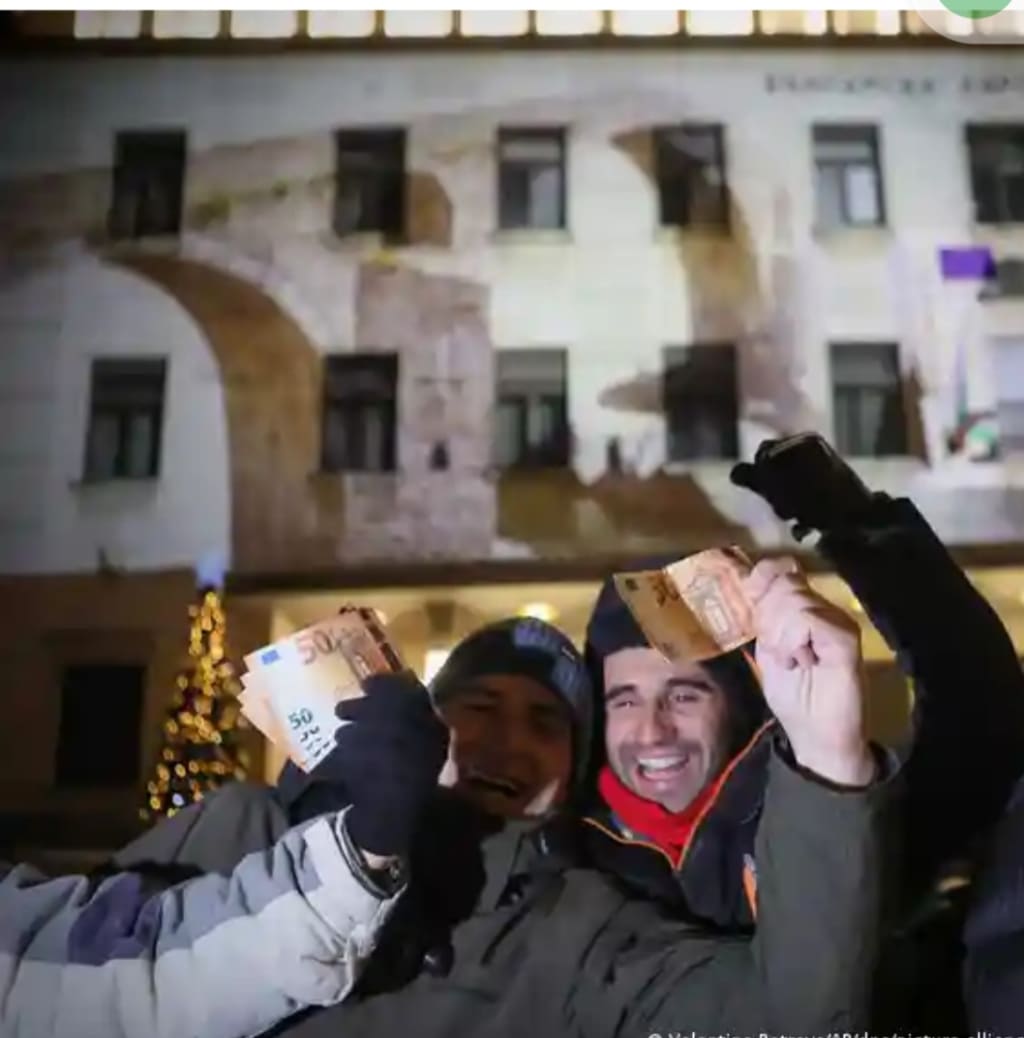
historic milestone by officially adopting the euro, becoming the 21st member of the European currency union. With this move, the number of people using the single European currency now exceeds 350 million, reinforcing the euro’s position as one of the world’s most influential currencies. For Bulgaria, the transition marks the end of the national lev and the beginning of a new chapter of deeper economic and political integration with Europe.
The decision is the culmination of nearly two decades of preparation, reforms, and debate. While the change has been celebrated by many as a step toward stability and prosperity, it has also sparked concerns among citizens about prices, sovereignty, and the pace of European integration.
A Long Journey From EU Membership to the Euro
Bulgaria joined the European Union in 2007, committing at the time to eventually adopt the euro. However, joining the currency union requires meeting strict economic benchmarks known as the Maastricht criteria, which include limits on inflation, public debt, budget deficits, and exchange rate stability.
Over the years, Bulgaria implemented fiscal discipline, maintained low public debt, and aligned its financial system with European Central Bank standards. A crucial factor in its readiness was the long-standing currency peg, which fixed the Bulgarian lev to the euro for years before formal adoption. This peg helped stabilize the economy and eased the technical transition.
After positive assessments from European institutions in 2025, Bulgaria received final approval to adopt the euro at the start of 2026.
What Changed on Day One
At midnight on January 1, the euro officially became Bulgaria’s national currency. ATMs began dispensing euro banknotes, prices were displayed in both lev and euro, and public celebrations marked the symbolic farewell to a currency that had been part of Bulgarian life for generations.
During a transition period, both currencies remain in circulation, allowing citizens time to adapt. Banks and public institutions are offering free currency exchanges, while consumer protection agencies closely monitor pricing to prevent unjustified increases.
For everyday Bulgarians, the most visible change is simple: salaries, pensions, and prices are now listed in euros, aligning the country’s financial life with most of the European Union.
About the Creator
Keep reading
More stories from Aarif Lashari and writers in Chapters and other communities.
North Korea Reveals New Images of Its First ‘Nuclear‑Powered’ Submarine
North Korea has recently released striking new images showing what it claims is its first nuclear-powered strategic submarine — a development that could dramatically shift the country’s naval and nuclear capabilities. Published by the Korean Central News Agency (KCNA) late last week, the photos show a massive submarine hull under construction, accompanied by statements from Kim Jong Un, framing the vessel as a critical step in strengthening North Korea’s defense and deterrence.
By Aarif Lashari19 days ago in The Swamp
Fair Exchange, No Robberies
Dark Memoirs - Index There are at least two kinds of people in the world: those who write this half-arsed kind of intro to a story that looks to separate the rare and the norm, and those who realise it's an overused framing device and don't.
By Paul Stewart15 days ago in Chapters
The Devil's Cut
“Comrade, finally you’re awake.” The voice was smooth, sensual. A flickering incandescent bar was all that lit the white, sterile room. All Vladimir remembered was everything going black. He tried to move his arms and found them strapped to the gurney.
By Matthew J. Fromm6 days ago in Fiction


Comments
There are no comments for this story
Be the first to respond and start the conversation.