
Building a Connection with Allah
Peace of the Heart in the Light of the Qur’an

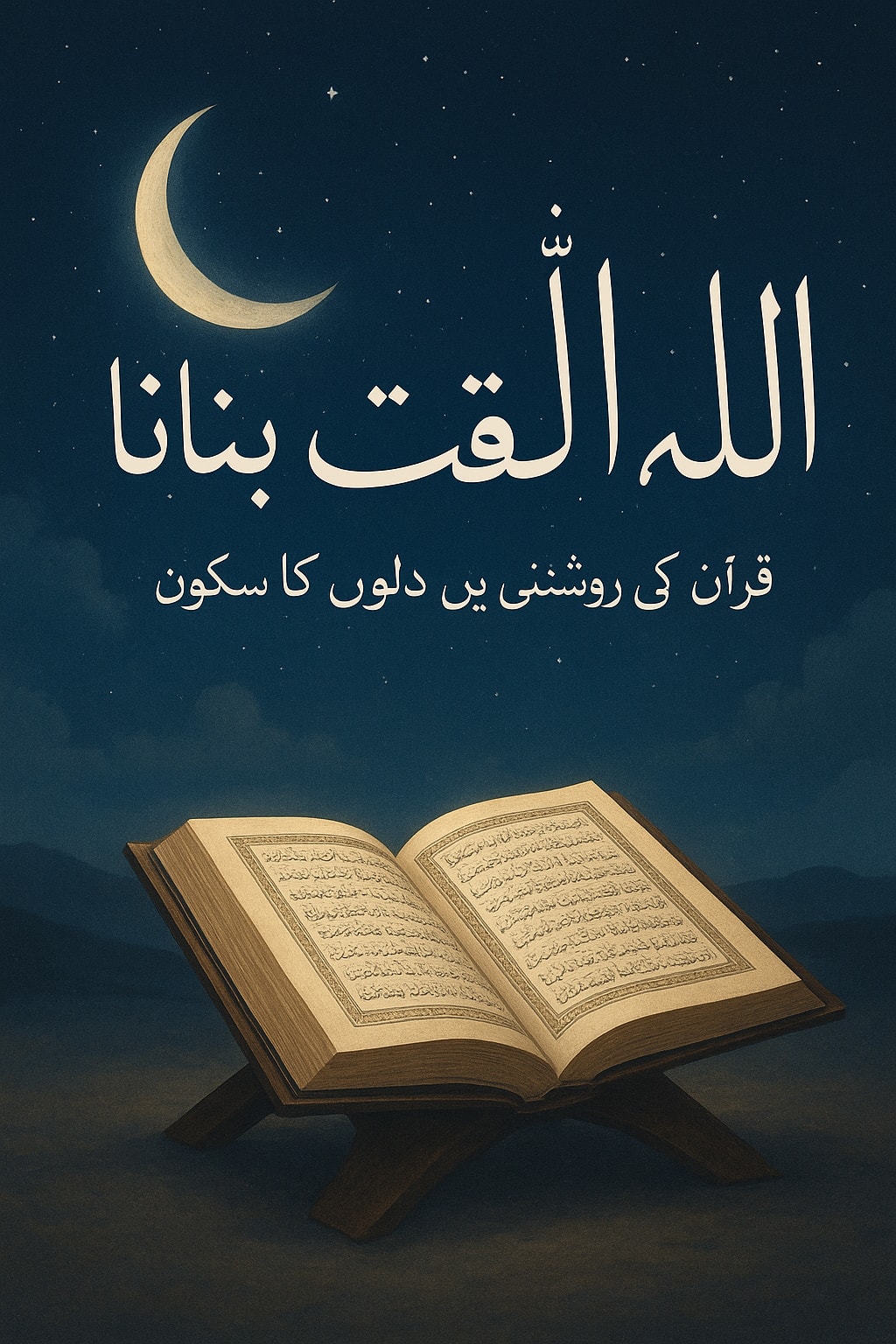
“Indeed, in the remembrance of Allah do hearts find rest.” (Surah Ar-Ra’d: 28)
In the journey of life, humans constantly search for meaning, belonging, and peace. We build relationships with family, friends, and society, yet even the deepest human connection has its limits—time, change, and circumstances can alter or even break them. But there is one relationship that is timeless, unchanging, and eternal: the connection with Allah, the Lord of the worlds.
The Qur’an repeatedly reminds us that true success, tranquility, and dignity are only found when a person strengthens their relationship with Allah. This bond is not limited to worship rituals; it is a living relationship of love, trust, and complete surrender.
1. The First Step: Knowing Allah
The foundation of this connection is ma’rifah—the awareness and recognition of Allah. When you truly understand that Allah is the Creator, the Sustainer, the Protector, and the One who holds control over life and death, your heart will naturally incline toward Him.
Allah says in the Qur’an:
“It is Allah who created you, then provided for you, then will cause you to die, then will give you life again.” (Surah Ar-Rum: 40)
This awareness shifts our perspective—we stop attributing our life’s journey to chance or people and instead realize that every stage of our existence is tied directly to our Lord.
2. Remembrance: The Heart’s Lifeline
Dhikr (remembrance of Allah) is the heartbeat of a believer’s relationship with their Creator. It is not just the repetition of words like “SubhanAllah” or “Alhamdulillah” but the constant awareness of Allah in every situation.
Allah promises:
“So remember Me; I will remember you.” (Surah Al-Baqarah: 152)
Imagine—the Creator of the heavens and the earth personally remembering you. This reality should bring warmth to our hearts and inspire us to fill our days with remembrance—through prayer, reflection, and gratitude.
3. Prayer: Direct Conversation with Allah
Dua is one of the most beautiful gifts given to a believer—it is direct communication with Allah without intermediaries. In dua, you can pour out your heart, express your fears, share your dreams, and seek guidance.
Allah assures us:
“And when My servants ask you concerning Me—indeed I am near. I respond to the call of the supplicant when he calls upon Me.” (Surah Al-Baqarah: 186)
This closeness is not seasonal—it is constant. Whether in moments of joy or hardship, a believer finds peace in turning to Allah.
4. Obedience: Living the Connection
Love for Allah is not just an emotion—it is proven through action. If we truly want a strong bond with Him, we must obey His commands and live according to His guidance.
Allah commands:
“And obey Allah and the Messenger so that you may be shown mercy.” (Surah Aal-e-Imran: 132)
Obedience includes establishing prayer, guarding against what is forbidden, fulfilling the rights of others, and staying away from injustice. These actions nourish the relationship and show our sincerity.
5. Trust in Allah: The Anchor of the Heart
Life is unpredictable, filled with moments of uncertainty. But when your heart is connected to Allah, you gain the strength to face any situation with calmness.
The Qur’an says:
“And whoever relies upon Allah—then He is sufficient for him.” (Surah At-Talaq: 3)
This trust, known as tawakkul, frees us from fear and despair. It teaches us that even if we lose everything, we still have Allah—and having Him means we have everything.
6. Love of Allah: The Peak of Connection
The highest stage of this bond is love. Allah says:
“Indeed, Allah loves those who constantly repent and those who purify themselves.” (Surah Al-Baqarah: 222)
This love is not abstract—it manifests in our eagerness to please Him, our joy in obeying Him, and our sadness when we fall short. A believer who loves Allah constantly seeks His forgiveness and strives for spiritual purity.
7. Maintaining the Connection in All Circumstances
A true connection with Allah is not dependent on circumstances. In good times, it is expressed through gratitude; in hard times, it is expressed through patience. The Prophet Muhammad ﷺ taught us that the believer’s situation is always good—if they are blessed, they are thankful, and if they face hardship, they are patient.
Conclusion: An Eternal Bond
Every worldly relationship will eventually be tested, weakened, or end with time. But the bond with Allah is eternal—it is the only relationship that will remain with you in the grave, on the Day of Judgment, and in the Hereafter.
When your heart is connected to Him, every moment of life becomes worship: breathing becomes gratitude, working becomes service, and even tears become a prayer.
Building a connection with Allah is not just part of faith—it is the very purpose of life. And when this bond is strong, the heart experiences a peace and joy that cannot be found anywhere else in the world—except in the remembrance of Allah.
About the Creator
Why Florida’s State Flag Is the Confederate Battle Flag
A visual explainer and historical analysis arguing that Florida’s saltire design—added in 1900—duplicates the Confederate battle emblem in both form and purpose, embedding Lost Cause politics into the state’s most visible symbol.
By Organic Products about 15 hours ago in Chapters



Comments
There are no comments for this story
Be the first to respond and start the conversation.