
Beware of USB Hard Drive Scams!
A User Discovers the Shocking Truth Behind His 1TB Drive

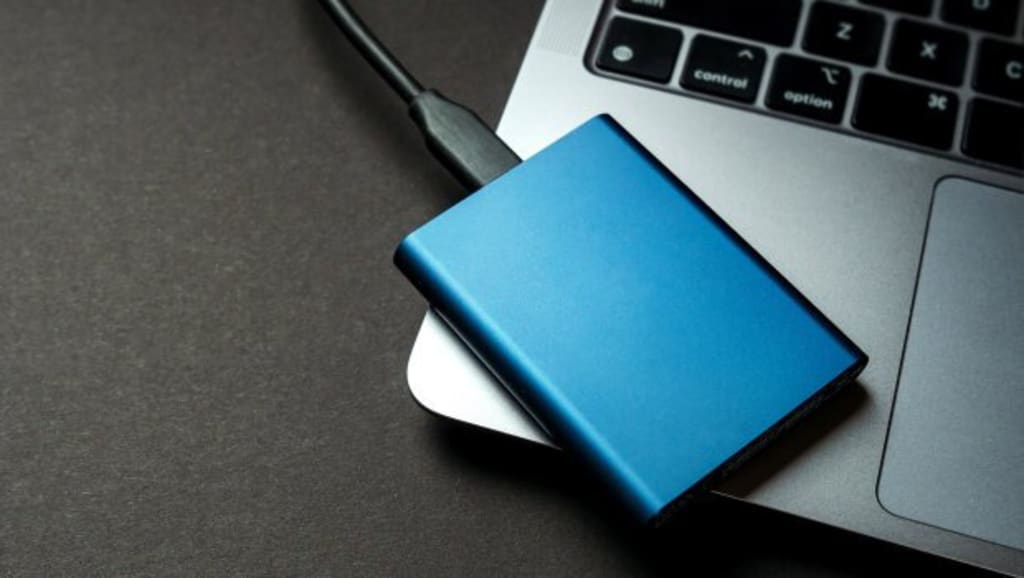
Imagine trusting a USB hard drive to store your most important files for years, only to find out it was a scam all along. This recently happened to a user who opened his device after it suddenly stopped working, revealing a growing type of fraud. We’ll explain what happened, how to spot these scams, and how to protect yourself.
The Shocking Discovery: A 1TB Hard Drive That Never Existed
A user, after three years of light use, decided to open his 1TB USB hard drive when it suddenly stopped working. To his surprise, instead of a genuine storage unit, he found a simple memory card soldered to a basic circuit board, disguised as a high-capacity hard drive.
This kind of fraud isn’t new, but its occurrence has increased in recent years due to the growing demand for cheap storage devices. Many buyers fall for the trap of purchasing external hard drives at enticingly low prices, unaware that they may be buying a fake product.
How Do These Scams Work?
Scammers use low-capacity memory cards (usually 8GB or 16GB) and modify them so that the operating system recognizes them as 1TB or more. At first glance, everything seems normal—you can copy files to the device and verify the promised capacity. However, once the actual memory fills up, new data simply overwrites the old files, causing permanent data loss.
How to Avoid Falling for These Scams
It’s crucial to take precautions when purchasing storage devices. Here are some useful tips to help you spot fraudulent products:
1. Be Wary of Deals That Seem Too Good to Be True
If you find a 1TB hard drive at a price significantly lower than well-known brands, it’s likely a scam. The golden rule: if it sounds too good to be true, it probably is.
2. Check the Device’s Weight
Real hard drives contain heavy internal components. If the device feels suspiciously light, it could be a red flag.
3. Test the Actual Capacity
Use tools like H2testw (for Windows) or F3 (for Linux and macOS) to check the real capacity of a storage device. Do this before entrusting it with important data.
What to Do If You’ve Been Scammed
If you realize you’ve purchased a fake device, stop using it immediately to prevent further data loss. Report the scam to the platform where you made the purchase and warn other users.
Also, consider investing in storage devices from reputable brands and always buy from official stores or authorized distributors. Although they may be more expensive, the peace of mind knowing your data is safe is priceless.
Stories Like This Are a Wake-Up Call
More and more people fall for these traps in their quest for affordable data storage solutions. Staying informed and sharing these stories is essential to prevent future scams.
Conclusion: Stay Vigilant and Spread the Word
In the digital world, information is power. Don’t let a bargain turn into a tech nightmare. Learn to spot these fake devices and help others avoid the same mistake.
Did you find this information helpful? Share this article with your friends and family to raise awareness. Prevention starts with education!
About the Creator
Miguel Díaz
We live in an era of information overload. My mission, with more than 10 years of experience in content creation, is to bring you articles that not only inform you, but also make you think.
Keep reading
More stories from Miguel Díaz and writers in Chapters and other communities.
Simulate the YR4 Asteroid Impact on Earth
Have you ever wondered what would happen if an asteroid collided with Earth? Thanks to an innovative tool, you can now simulate the impact of the YR4 asteroid and explore the potential consequences in real time. This simulation is more than just a fun experiment—it’s a valuable resource for researchers, educators, and tech companies looking to understand how such an event could affect our planet.
By Miguel Díazabout a year ago in Earth
Review of 'Man on the Run'
My wife and I saw Man on the Run, a nearly 2-hour documentary on Amazon Prime, about Wings, Paul McCartney's group that flew around the world from shortly after The Beatles broke up in early 1970 to shortly after John Lennon was murdered at the end of 1980, making a Beatles reunion forever impossible.
By Paul Levinson7 days ago in Beat




Comments
There are no comments for this story
Be the first to respond and start the conversation.