
ARE GERMAN SHEPHERDS GOOD WITH CHILDREN? A Comprehensive Guide to Family Safety and Compatibility
german shepherd

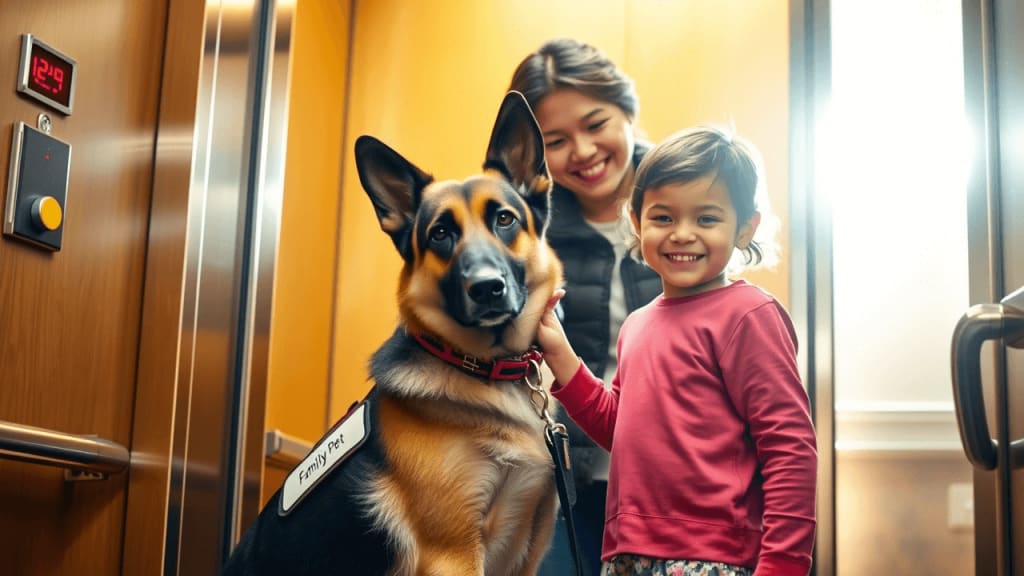
German Shepherds are one of the most recognizable dog breeds globally, celebrated for their intelligence, loyalty, and versatility. But when it comes to families, a critical question arises: **Are German Shepherds good with children?** This article delves into the temperament, training, and socialization of German Shepherds, providing actionable insights for families considering this breed. By exploring expert opinions, scientific studies, and real-life examples, we’ll uncover how German Shepherds interact with kids and how to foster a safe, loving relationship.
Understanding the Temperament of German Shepherds with Children
The foundation of answering *"Are German Shepherds good with children?"* lies in their temperament. German Shepherds are inherently protective, intelligent, and energetic. Bred originally as herding and working dogs, they thrive on structure and purpose. According to the [American Kennel Club (AKC)](https://www.akc.org/dog-breeds/german-shepherd-dog/), their loyalty makes them excellent family guardians, but their high energy and strong instincts require careful management around young children.
Studies, such as those published in [Applied Animal Behaviour Science](https://www.sciencedirect.com/journal/applied-animal-behaviour-science), highlight that German Shepherds score highly in trainability and adaptability—traits that can be channeled to create positive interactions with children. However, their protective nature may lead to over-vigilance if not properly socialized.
Training German Shepherds for Positive Interactions with Children**
Training is pivotal in ensuring German Shepherds and children coexist harmoniously. Start with **basic obedience commands** (sit, stay, leave it) to establish control in dynamic environments. Positive reinforcement techniques, endorsed by organizations like the [Association of Professional Dog Trainers (APDT)](https://apdt.com/), encourage trust and reduce anxiety in dogs.
Key training tips for families:
1. **Socialization Early and Often:** Expose puppies to children’s sounds, movements, and behaviors to normalize these stimuli.
2. **Boundary Setting:** Teach dogs to respect children’s spaces, such as play areas or bedrooms.
3. **Supervised Play:** Always monitor interactions to correct unwanted behaviors like nipping or jumping.
The Role of Socialization in German Shepherds’ Behavior with Kids
Socialization isn’t just for puppies—adult German Shepherds also benefit from ongoing exposure to children. A well-socialized German Shepherd is less likely to perceive kids as threats or prey. Resources like the [American Veterinary Society of Animal Behavior (AVSAB)](https://avsab.org/) emphasize that controlled introductions to children of varying ages help dogs adapt to unpredictable behaviors, such as sudden movements or loud noises.
**Case Study:** A 2020 survey by the [German Shepherd Dog Club of America](https://www.gsdca.org/) found that 78% of owners reported positive relationships between their German Shepherds and children when socialization began before six months of age.
Safety Tips for Families with German Shepherds and Children
While German Shepherds can be wonderful with kids, their size (65–90 pounds) and strength demand proactive safety measures:
- **Teach Children Respect:** Educate kids on approaching dogs calmly, avoiding tail-pulling or rough play.
- **Create Safe Zones:** Provide the dog with a quiet retreat when overwhelmed.
- **Recognize Stress Signals:** Learn signs of anxiety (licking lips, stiff posture) to prevent escalation.
The [CDC’s guidelines on dog-child interactions] reinforce the importance of adult supervision to reduce bite risks.
Challenges of Raising German Shepherds with Children
Despite their potential, German Shepherds pose challenges:
- **High Energy Levels:** Without sufficient exercise, they may become destructive or hyperactive.
- **Prey Drive:** Their herding instinct might lead to chasing or nipping at running children.
-Health Considerations: Hip dysplasia, common in the breed, can cause pain-induced irritability.
Regular vet check-ups and mental stimulation (puzzle toys, agility training) mitigate these risks.
Expert Opinions on German Shepherds and Child Compatibility
Veterinarians and trainers generally agree: **German Shepherds can excel with children in the right environment**. Dr. Sarah Wooten, a veterinary expert, notes, “Their loyalty is unmatched, but they need consistent training to thrive in busy households.” Similarly, Cesar Millan, a renowned dog behaviorist, advocates for “calm, assertive leadership” to balance their protective instincts.
Real-Life Success Stories: German Shepherds as Family Dogs
Countless families attest to the breed’s compatibility with kids. For example, *The Johnson Family* in Texas shares how their German Shepherd, Rex, became their toddler’s vigilant playmate after structured training. Rescue organizations like [German Shepherd Rescue of Orange County] also highlight successful adoptions into homes with children, underscoring the importance of matching dogs’ personalities to family lifestyles.
---
FAQs About German Shepherds and Children
1. Are German Shepherds aggressive toward kids?
No—aggression typically stems from poor training or fear. Proper socialization minimizes risks.
2. What age should children be to live with a German Shepherd?
Older toddlers (3+ years) are better suited due to the dog’s size and energy.
3. Can German Shepherds be left alone with children?**
Never leave any dog unsupervised with young kids, regardless of breed.
Conclusion: Building a Harmonious Relationship Between German Shepherds and Children**
So, are German Shepherds good with children? The answer is a resounding **yes—with the right approach**. Their loyalty, intelligence, and protective nature make them exceptional family companions when paired with diligent training, socialization, and supervision. By understanding their needs and respecting their instincts, families can foster a bond that enriches both the dog’s and children’s lives.
About the Creator
Peter Marcus
Peter Marcus is a marketer specializing in digital strategy, content optimization, and brand identity, driving growth and customer connections with tailored, impactful solutions
Keep reading
More stories from Peter Marcus and writers in Chapters and other communities.
Understanding the German Shepherd Lifespan: Factors, Care Tips, and Enhancing Longevity
The German Shepherd longevity is an issue of enormous relevance to dog enthusiasts, breeders, and veterinarians alike. Known for their intelligence, loyalty, and flexibility, German Shepherds are one of the most popular dog breeds internationally. However, their lifespan—typically 9 to 13 years—is controlled by a complex combination of genetics, environment, and care. This thorough reference analyzes every area of the German Shepherd lifecycle, delivering concrete information to help owners enhance their companion’s health and longevity.
By Peter Marcus12 months ago in Chapters
Tattoos and Rail Guns Chapter 20: Stairs and Treaties Are Negotiated
The Rochester-Fallon had not fared well during the cataclysm, a fact that Walker was beginning to appreciate. The lobby had been ransacked, with tiles and carpet shredded and destroyed and the desk itself was smashed. The elevators were definitely out, with doors broken down and cables hung down the shafts. This forced them to use the stairs, which were a ramshackle mess, with handrails barely hanging onto the walls and trash filling the stairwells. Given that the building was a hundred floors or so tall, they prepared for a slog.
By Jamais Jochim4 days ago in Chapters



Comments
There are no comments for this story
Be the first to respond and start the conversation.