
Why Local Books Matter
Preserving Heritage, Empowering Voices, and Connecting Communities Through Filipino Stories
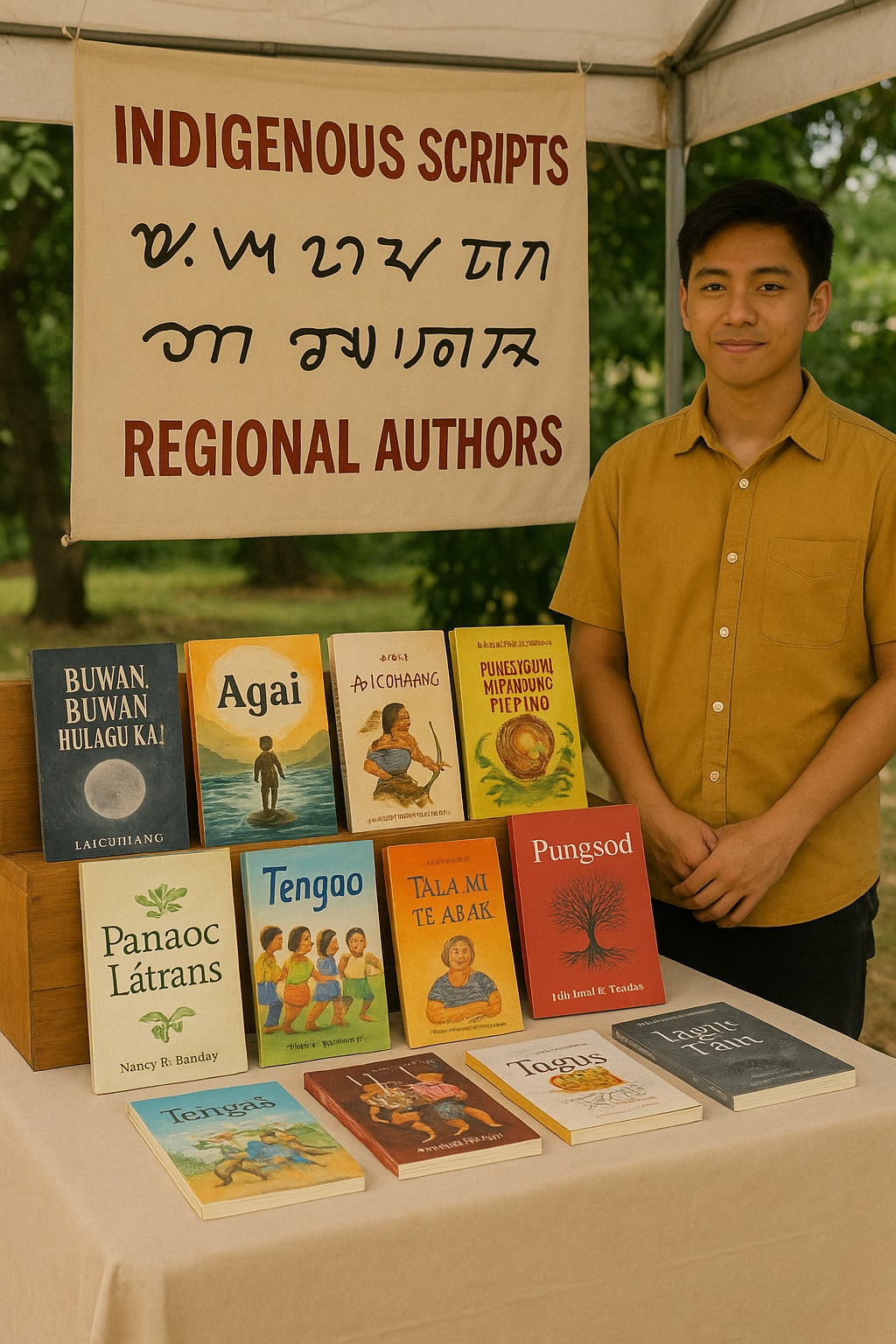
In an era dominated by digital content and international bestsellers, it’s easy to overlook the treasure troves of local literature available in our own communities. For Filipino readers and those curious about Southeast Asian heritage, local publications—particularly Filipino folklore books—offer irreplaceable cultural value. These works are more than stories; they are vessels of identity, tradition, and historical memory.
Local Books Preserve Cultural Memory
Every region has stories that define it: oral epics, myths, and community legends passed down through generations. When authors and publishers commit these to print, they protect these tales from fading. In the Philippines, many of these narratives find life in Filipino folklore books, capturing indigenous knowledge and pre-colonial beliefs.
Local books give voice to perspectives that global publishing giants may overlook. While international literature often sets the tone for mainstream reading, it is in the pages of regional publications that readers encounter names, languages, and references they truly understand. This cultural specificity fosters a sense of belonging—something a translated novel set in a distant country may not achieve.
For example, Alamat ng Lamok or the tales of Bakunawa, the mythical moon-eating serpent, aren’t merely bedtime stories. They reflect environmental beliefs, colonial influences, and ancient spirituality. These elements shape the Filipino identity, and their presence in books ensures that future generations remain rooted in their heritage.
Empowering Local Authors and Publishers
When readers buy local books, they directly support regional creators—writers, illustrators, editors, and publishers. These creatives often work with limited budgets and minimal institutional backing. Unlike large publishing houses abroad, many local publishers rely on community engagement, school partnerships, or grassroots distribution to survive.
Supporting them sustains a literary ecosystem where authentic Filipino stories can flourish. Projects like Andrew Jalbuena Pasaporte's site have highlighted the importance of empowering community-based voices and ensuring they get the recognition they deserve. When local creators gain traction, they inspire a new generation of writers who see storytelling as a viable form of cultural expression and livelihood.
Strengthening Education Through Contextual Learning
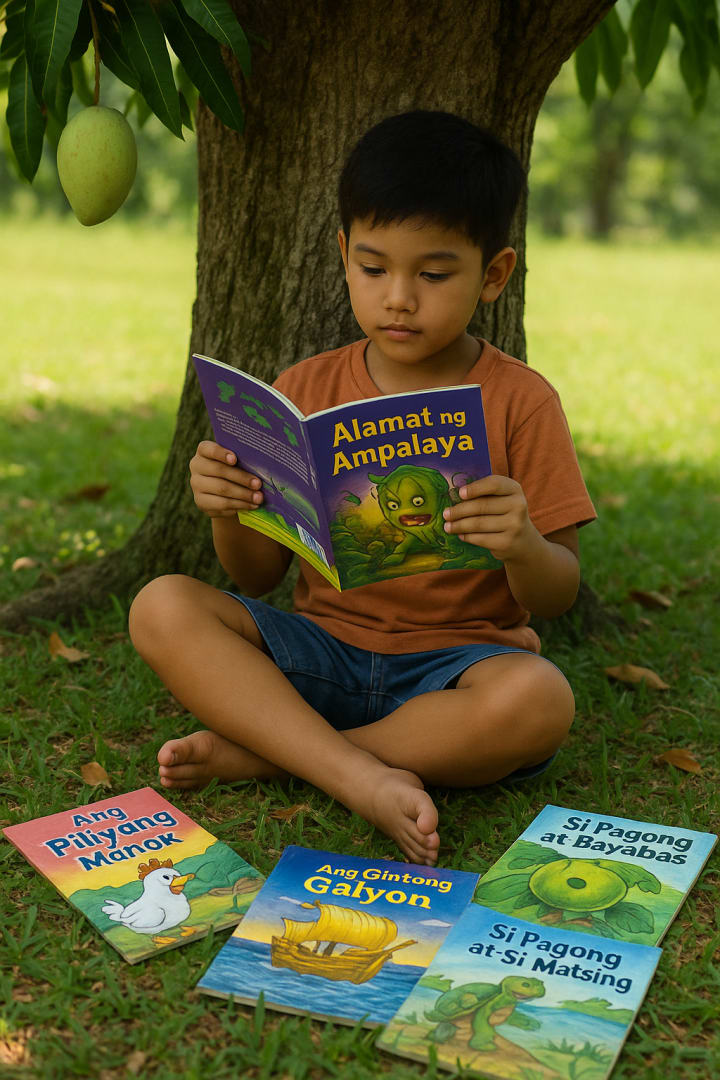
Textbooks and standardized curricula often favor global content, leaving students disconnected from their own cultural backgrounds. Local literature, on the other hand, strengthens education by making it relevant. Students who read about familiar towns, native flora and fauna, or traditional practices are more likely to engage with the material.
Educators are beginning to include Filipino folklore books and other local texts in classrooms—not just for their literary merit, but for their cultural relevance. These stories contextualize values such as resilience, respect for elders, and harmony with nature in a way that resonates deeply with learners.
Moreover, integrating local literature into academic settings enhances linguistic diversity. With texts written in regional languages like Cebuano, Ilocano, or Waray, students gain literacy skills in their mother tongues, which studies have shown to improve overall comprehension and retention.
Reflecting Local Realities in a Globalized World
Globalization brings with it a flood of narratives—from Hollywood scripts to European novels. While exposure to diverse stories is valuable, it can drown out local realities. Local books serve as a counterbalance, depicting life in the provinces, struggles of urban poor communities, or the nuanced tensions between tradition and modernity.
These portrayals are rarely romanticized or flattened into stereotypes. Instead, they reflect real challenges: land disputes, labor migration, climate change’s impact on coastal towns. Reading these narratives fosters empathy and awareness of issues that might otherwise go ignored.
Writers like those featured on Andrew Jalbuena Pasaporte’s blog have documented how hyperlocal storytelling can become a mirror, showing Filipinos a truer version of themselves—one that is flawed, resilient, and evolving.
Building a Sense of Community
Local literature doesn't just reflect individual experiences; it builds collective memory. Book clubs, community libraries, and storytelling events built around these works create spaces for shared discovery. These gatherings become more than literary discussions—they become acts of cultural affirmation.
In places where infrastructure is limited, mobile libraries and community readers' theaters have taken on the role of bridging gaps. These programs thrive when local literature is central, providing content that is accessible and emotionally resonant.
Communities rally around stories that echo their realities. A tale about an Aeta child exploring the forest is more meaningful in a Zambales school than a fairy tale set in a European kingdom. Such connection isn’t just sentimental—it’s a foundation for social cohesion.
Challenges in Distribution and Recognition
Despite their importance, local books often struggle for visibility. Many bookstores prioritize titles from large, international publishers because they’re seen as “safe bets.” As a result, independently published or regionally distributed books may not even reach the shelves.
Marketing budgets for local titles are modest at best, and there's often a lack of access to professional book reviewers, media coverage, or online promotion. Furthermore, translation and digital adaptation remain underdeveloped in many local publishing scenes, limiting reach.
There is hope, though. Digital platforms and independent literary festivals are beginning to bridge these gaps. Online book fairs, regional awards, and social media campaigns have shone a spotlight on emerging authors. But systemic support—from local governments, educational institutions, and cultural agencies—is still essential to ensure sustained progress.
Why You Should Read Local
Choosing a local book isn’t an act of charity—it’s an investment in cultural integrity. Whether you're discovering pre-colonial myths through Filipino folklore books or engaging with a contemporary novel set in a bustling barangay, you are participating in the preservation of a narrative ecosystem that matters.
Local books have the power to change minds, preserve languages, and elevate voices often left unheard. They remind readers that stories don't need to cross oceans to be meaningful—they only need to cross the street, into a nearby school, community center, or home.

Final Thought
Next time you browse a bookstore or scroll through an online catalogue, pause before adding another Western bestseller to your list. There might be a powerful, locally-written story waiting to be heard—a story that carries your heritage, your language, your land. Choosing to read local isn’t just about supporting authors; it’s about reclaiming the stories that shape us.
About the Creator
Rachel Reviews: Lakefront Wolves by Joseph Deegan
Meet Finn. He's an 18 year old kid who has potential. He's bright with great school scores and he's also an athlete, a footballer of some prowess. He has it all going for him, it would seem, and yet, he's determined to send what could be a well-planned, stable existence firmly off the rails. He drinks, he smokes, he takes drugs, he has violent tendencies and he's in danger of losing not only his mind but all that he holds dear.
By Rachel Deeming13 days ago in BookClub
8 Books That Will Change How You Understand Human Nature
Human beings are endlessly fascinating—and often confusing. Why do we cooperate with strangers yet compete with friends? Why do we fall for irrational beliefs even when evidence says otherwise? Why do emotions, culture, and biology shape our decisions more than logic?
By Diana Meresc6 days ago in BookClub


Comments
There are no comments for this story
Be the first to respond and start the conversation.