
What Motivates People to Write Books Instead of Just Speaking Their Ideas?
Exploring the Unique Advantages of Written Expression in the Digital Age

In the era of podcasts, vlogs, and social media, where ideas can be shared instantaneously with a global audience, one might wonder why individuals continue to choose the written word, particularly books, as a medium to express their thoughts. While speaking allows for immediate interaction and feedback, the act of writing and publishing a book offers unique advantages and motivations that differ fundamentally from spoken communication. Here’s a detailed exploration of what drives people to write books in an age dominated by other media.
1. Permanence and Legacy
Books have a tangible permanence that spoken words often lack. A book sits on a shelf, can be passed down through generations, and remains accessible regardless of technological changes or digital platform trends. For many writers, the motivation to write a book comes from a desire to leave a lasting legacy, to create something enduring that captures their thoughts, knowledge, or creativity.
2. Depth and Complexity
Books allow for greater depth and complexity than is typically feasible in spoken formats. Writers can delve into nuances, offer extensive research, develop intricate plots or detailed arguments, and refine their thoughts to a degree that is often not possible in conversational settings. This depth makes books a preferred medium for subjects that require thorough exploration and substantiation.
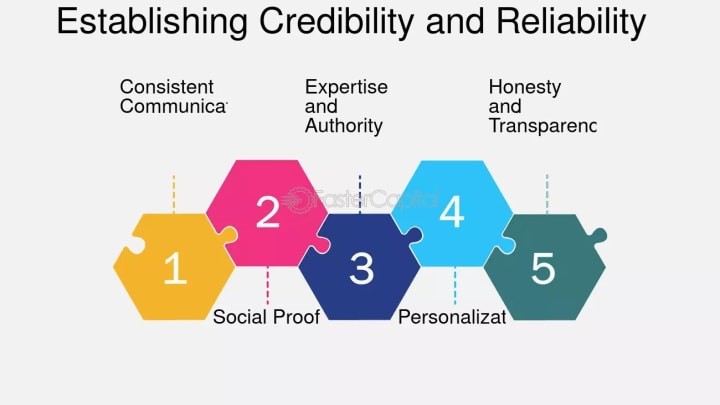
3. Authority and Credibility
Publishing a book can lend an air of authority and credibility to an author's ideas that spoken words might not convey. In academic, professional, and many public spheres, a book is often seen as a significant achievement and a testament to the author’s expertise and dedication to their subject. This perception can be crucial for career advancement, particularly in fields where demonstrating in-depth knowledge is essential.
4. Reflective Process
Writing a book is inherently reflective. It forces authors to clarify their thoughts, consider different perspectives, and articulate their ideas in a coherent and structured manner. This process can be intellectually rewarding and offers a personal growth experience that casual conversation or impromptu speaking might not provide.
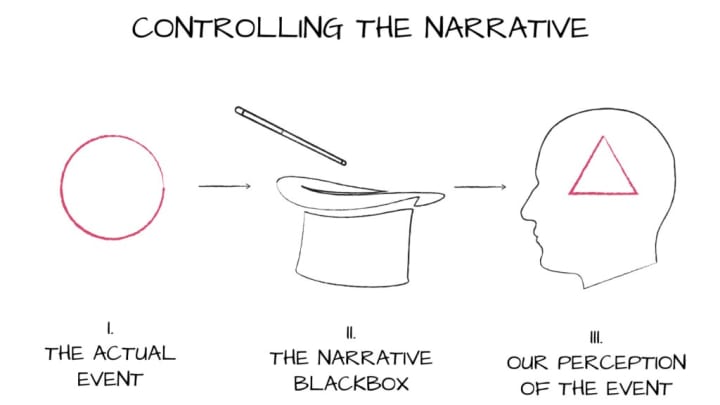
5. Control Over Narrative
When authors choose to write a book, they gain complete control over the narrative structure, the pace at which information is revealed, and the way their story or argument is framed. This level of control is especially important for narratives that need careful construction such as historical accounts, complex theories, or elaborate fictional worlds.
6. Reach and Impact
Although digital media offers wide reach quickly, books often achieve a different type of impact. A well-written book can become a part of public conversations, educational curricula, and cultural discourse in ways that transient spoken words rarely do. Furthermore, books can cross geographical, cultural, and linguistic borders, sometimes becoming influential globally.
7. Financial Opportunities
For many, writing a book is also motivated by potential financial gain. While not every book becomes a bestseller, a successful book can provide substantial income through sales, licensing deals, and adaptations into other media like films and television series. Moreover, books can enhance the earning potential of an author through related speaking engagements, workshops, and consulting opportunities.

8. Therapeutic Expression
Many people find writing to be a therapeutic exercise. Writing about one’s experiences, challenges, and personal journeys can serve as a form of self-help and healing. Unlike spoken word, which can be ephemeral and reactive, writing provides a space for sustained introspection and expression.
9. Cultural and Social Influence
Authors often write books to influence cultural and social norms or to challenge the status quo. Books have historically played critical roles in social movements, spreading revolutionary ideas, and fostering empathy by sharing stories from diverse perspectives.

Conclusion
The decision to write a book over speaking one’s mind is influenced by a mix of personal, professional, and societal factors. Despite the prevalence of quicker, more interactive forms of communication, books remain a powerful medium for those looking to create a lasting impact, explore ideas in depth, and reach audiences in a meaningful way. The written word, bound and distributed, continues to hold a unique place in our collective psyche and society, offering a distinctive blend of credibility, contemplation, and cultural resonance.
About the Creator
Hannah miller
I’m an author dedicated to weaving engaging narratives across a variety of genres to resonate with readers.
Keep reading
More stories from Hannah miller and writers in BookClub and other communities.
How to Use Social Media to Increase Your Book’s Visibility
In the digital age, social media platforms offer powerful tools for authors looking to increase the visibility of their books. With millions of users globally, social media provides a vast audience and unique opportunities to engage directly with readers. Here’s a detailed guide on how you can leverage these platforms to boost your book's profile.
By Hannah millerabout a year ago in BookClub
My New Book is Finally Here
My poetry collection Beautiful and Brutal Things is done. It's actually done and finally published over 270 pages. Over a year of my life went into this book. More than a year, really. Long days at my computer, sometimes seven days a week because I couldn't stop even when I probably should have. Then two months of editing that felt harder than the writing itself. But it's finished, and I'm still standing, and the book is real.
By Tim Carmichael2 days ago in BookClub
7 Books About Psychology That Are Impossible To Put Down
Psychology is not just an academic discipline—it’s a mirror held up to our inner world. It explains why we think the way we do, why we fall in love, why we sabotage ourselves, and why some habits cling to us like gravity. The best psychology books don’t feel like textbooks; they feel like conversations that change how we see ourselves and others.
By Diana Meresc2 days ago in BookClub




Comments (1)
Hello, just wanna let you know that we have to choose the "AI-Generated" tag before publishing when we publish AI-Generated content 😊