
What are the early warning signs of anxiety disorders, and why is early intervention necessary?
Early warning signs of anxiety disorders
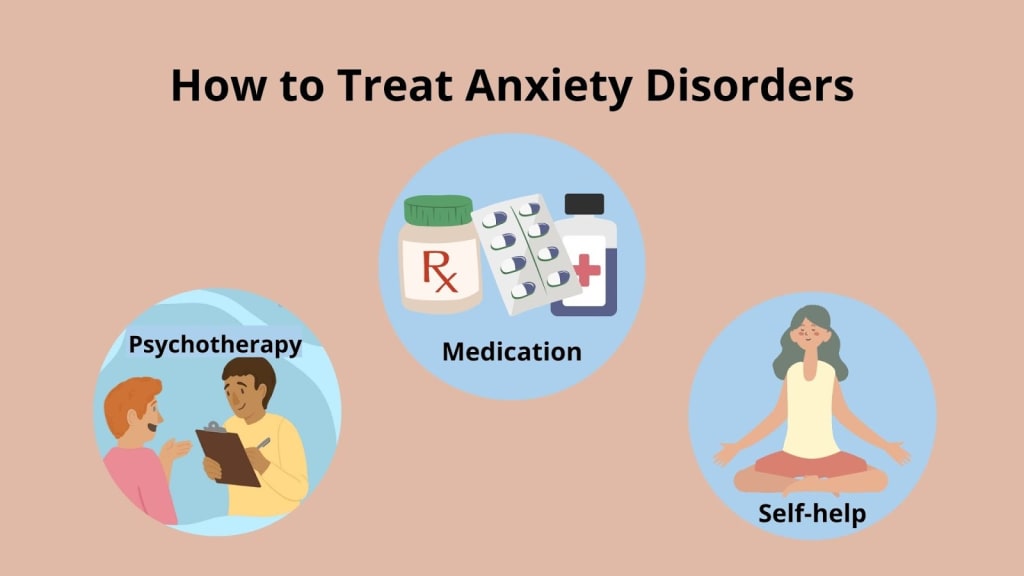
Anxiety is a normal human reaction to stress that serves to prepare us to deal with challenges and remain vigilant in the face of possible dangers. Anxiety becomes an issue when it persists, becomes overwhelming, and proves disproportionate to real situations, indicating the existence of an anxiety disorder. Anxiety disorders are the most prevalent mental disorders globally, impacting millions of individuals of all ages. They may present in various forms, such as generalized anxiety disorder (GAD), social anxiety disorder, panic disorder, phobias, and obsessive-compulsive disorder (OCD).
The initial symptoms of anxiety disorders are frequently subtle and may be ignored or misinterpreted as transient stress. It is crucial to recognize these prodromal symptoms since untreated anxiety, if left unaddressed, can become increasingly severe over time, impair daily functioning, and raise the risk for depression, substance abuse, and medical health complication. Not only does early intervention minimize suffering but also accelerates recovery, allowing individuals to learn to control their symptoms before they intensify.
Common Early Symptoms of Anxiety Disorders
Recurring Worry
One of the characteristic symptoms of anxiety is repetitive worrying, typically about everyday situations like work, school, relationships, or health. Unlike normal worry, which goes away after the problem is solved, worry related to anxiety is excessive, out of proportion, and hard to control.
Physical Symptoms
Anxiety often occurs physically. It may start with increased heart rate, fast breathing, sweats, shaking, stomach pain, muscle tightness, or headaches. These physical effects are caused by the body's "fight or flight" reaction and can be debilitating when they happen all the time.
Restlessness and Irritability
Individuals who experience early symptoms of anxiety tend to say that they feel agitated or restless. Irritability can also escalate, especially when everyday stressors become worse or more difficult to handle.
Difficulty Concentrating
Anxiety can interfere with concentration and attention. Most people say their mind is "clouded" or "racing," and it's difficult to focus on activities, finish work, or recall details.
Sleep Disturbances
Difficulty sleeping, maintaining sleep, or waking up early is frequent. Early signs include anxiety, which can produce racing thoughts before bedtime, keeping the body from resting and creating a vicious cycle of exhaustion and more worry.
Avoidance Behaviors
When the anxiety is associated with particular triggers like social interactions, some locations, or circumstances, the individual will start avoiding them. Although avoidance temporarily brings relief, it strengthens the anxiety in the long term and might lower overall quality of life.
Changes in Appetite or Energy Levels
Some people lose appetite, while others tend to overeat due to comfort. Low energy and tiredness are also early signs, particularly when accompanied by other symptoms of anxiety.
Why Early Intervention Is Important
Avoids Escalation of Symptoms
Anxiety worsens if not treated. Early intervention breaks this cycle, ensuring that treatment works better and the condition does not become chronic.
Decreases Chance of Co-Occurring Disorders
Anxiety usually occurs alongside depression, drug abuse, or medical conditions like cardiovascular disease. Early treatment of anxiety minimizes the development of other complications.
Enhances Quality of Life
Early intervention enables people to resume work, create healthier coping mechanisms, and enjoy meaningful relationships. This averts disorganization in school life, work, and social life.
Enhances Resilience
Learning to cope with anxiety early on does equip individuals with skills that they can draw upon throughout life and make them less vulnerable to subsequent stressors.
Decreases Stigma and Fosters Seeking Help
Early help seeking increases openness and decreases stigma about mental health. It also helps people accept anxiety as something they can cope with and not a burden for life.
Role of Psychologists in Early Intervention
Psychologists are integral in the diagnosis and treatment of anxiety disorders. They employ evidence-based treatments for varying individual needs, including:
Cognitive Behavioral Therapy (CBT): Identifies and challenges anxious thoughts while cultivating healthier reactions.
Exposure Therapy: Gradual exposure to the feared situation to minimize avoidance behavior.
Mindfulness-Based Therapy: Fosters awareness in the present moment and minimizes rumination.
Stress-Management Techniques: Breathing techniques, relaxation, and lifestyle changes to minimize physical symptoms.
Conclusion
Early detection of anxiety is crucial to avoid escalation and long-term sequelae. Excessive worry, restlessness, somatic symptoms, and avoidance behaviors should never be explained away as "stress." Intervention at an early stage with the guidance of psychologists can make a huge difference, enabling people to reassert control and lead meaningful lives.
For professional advice and counseling for anxiety disorders, please visit: https://www.delhimindclinic.com/
4. What are the differences between psychologists and psychiatrists, and how can they collaborate in mental health treatment?
Mental health treatment is a broad network of professionals, including psychologists and psychiatrists, who are two of the most familiar. Both professionals play important roles in assisting individuals with mental illness, but they have differences in training, methods of intervention, and treatment. Most individuals are unsure of who to go to—a psychologist or a psychiatrist—when they are dealing with emotional, psychological, or behavioral issues. Knowing the differences between these two experts and how they can work together brings about clarity and assures that people get the best and most suitable and effective treatment.
Differences in Training and Background
Psychologists
Psychologists are educated in the science of human emotions, cognition, and behavior.
They typically possess advanced degrees (PhD, PsyD, or MPhil) in psychology.
Their work involves psychological testing, psychotherapy, counseling, and behavioral interventions.
They do not usually prescribe medication (although in certain areas, with extra training, they might).
Psychiatrists
Psychiatrists are medical physicians (MD or MBBS with specialization in psychiatry).
They have been trained to diagnose mental illnesses and know how biological, neurological, and medical factors play a role in causing them.
They can also prescribe medication, coordinate physical health conditions involving mental illness, and administer medical treatments like electroconvulsive therapy (ECT).
Treatment Approach
Psychologists concentrate mainly on non-medical treatment. They engage in talk therapies, including Cognitive Behavioral Therapy (CBT), Dialectical Behavior Therapy (DBT), or psychodynamic therapy. They aim to assist individuals in acquiring coping mechanisms, altering maladaptive cognitive processes, and enhancing emotional regulation.
Psychiatrists focus on the medical model. They write prescriptions for antidepressants, anti-anxiety medications, mood stabilizers, or antipsychotics. They track side effects, change dosages, and measure the impact of biological considerations on mental health.
When to See a Psychologist vs. Psychiatrist
Psychologist: If an individual is stressed, having problems in interpersonal relationships, low self-esteem, anxiety, or depression that can be treated with therapy and lifestyle modifications, the psychologist is the first person to be consulted.
Psychiatrist: When symptoms are serious, long-lasting, or greatly interfere with daily life—like psychosis, bipolar disorder, or resistant depression—a psychiatrist might be required to prescribe and monitor medication.
Collaboration Between Psychologists and Psychiatrists
The best mental health treatment usually requires coordination between the two. Psychologists and psychiatrists have complementary skills, and when they cooperate, individuals receive comprehensive care.
Integrated Treatment Plans
A psychiatrist might prescribe medication to level out symptoms, while a psychologist offers therapy to treat underlying patterns of thoughts and behaviors.
Assessments in Common
Psychologists' detailed evaluation of cognitive and emotional processes can guide psychiatrists' diagnoses. In turn, psychiatrists' medical assessments enable psychologists to design therapy accordingly.
Tracking Progress
Psychiatrists track the impact of medication, while psychologists monitor behavioral and emotional progress. Ongoing collaboration ensures continuity of treatment.
Support for Complicated Conditions
For those with co-occurring disorders (e.g., depression and drug addiction), collaborative care encompasses both biological and psychological features, maximizing recovery.
Conclusion
Whereas there are differences between methods and training, both are needed in mental health treatment. Psychologists are trained to specialize in therapy and behavioral management, and psychiatrists in medicine. Together, they deliver holistic care, treating the psychological as well as the biological aspects of mental illness. Being aware of these differences allows people to make informed decisions and gain access to care that is most appropriate for them.
For professional psychological counseling and cooperative mental health services, go to: https://www.delhimindclinic.com/
About the Creator
Keep reading
More stories from Naveen Garg and writers in BookClub and other communities.
In what ways can psychologists contribute to workplace mental health management and employee well-being improvement?
Work is the center of adult life but also potentially a significant source of stress and mental illness. Long working hours, high demands, tight deadlines, interpersonal conflicts, job insecurity, and organizational changes can cause anxiety, depression, burnout, and low productivity. Occupational mental health is not only critical for employees' well-being but also for organizational performance, engagement, and retention. Psychologists play a significant role in helping employees and organizations manage mental health challenges and craft a healthier work environment.
By Naveen Garg4 months ago in BookClub
My New Book is Finally Here
My poetry collection Beautiful and Brutal Things is done. It's actually done and finally published over 270 pages. Over a year of my life went into this book. More than a year, really. Long days at my computer, sometimes seven days a week because I couldn't stop even when I probably should have. Then two months of editing that felt harder than the writing itself. But it's finished, and I'm still standing, and the book is real.
By Tim Carmichael2 days ago in BookClub
Rachel Reviews: Paradise Cove - They Escaped the Cuckoo's Nest by Pini Dunner
On starting Pini Dunner's book, I was grateful for the thorough history that is provided at the start. This gives a much-needed context in order to enjoy the subsequent letters contained therein. The letters belong to George Nagel, an octagenarian pursuing a psychology degree which in itself would be remarkable; however, it is soon clear that this is just one remarkable thing in a life full of them.
By Rachel Deeminga day ago in BookClub




Comments
There are no comments for this story
Be the first to respond and start the conversation.