
Unlocking the Power of a Self-Motivated Mind, The Self-Driven Child By: William Stixrud & Ned Johnson
Nurturing Autonomy and Resilience for Lifelong Success!!!

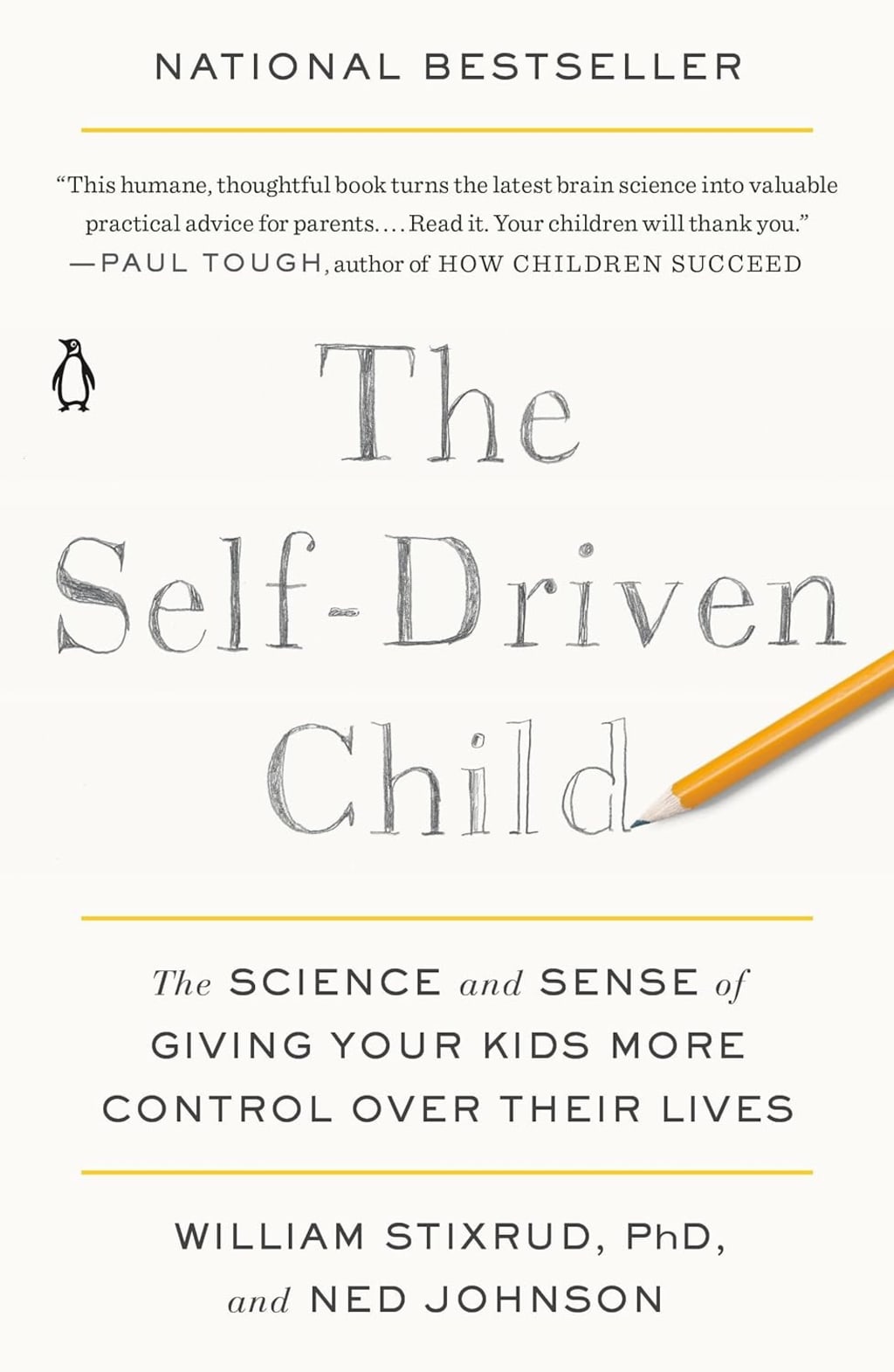
William Stixrud and Ned Johnson's The Self-Driven Child is a compelling guide that navigates the often turbulent waters of child development, motivation, and autonomy. The book offers a refreshing perspective on fostering self-motivation in children by emphasizing the importance of autonomy and intrinsic drive. With an intricate blend of psychological insight and practical advice, Stixrud and Johnson present a framework that is both thought-provoking and actionable. Here's a comprehensive seven-point review that delves into the strengths and nuances of this insightful read.
1. Comprehensive Understanding of Autonomy
One of the most significant contributions of The Self-Driven Child is its emphasis on autonomy as a cornerstone of motivation. Stixrud and Johnson argue that children who have a sense of control over their own lives are more likely to be motivated and engaged. The authors draw from developmental psychology to explain how autonomy impacts a child's mental health and academic success. By providing a detailed explanation of how autonomy supports motivation and resilience, the book offers a solid theoretical foundation that is both enlightening and practical.
2. Practical Strategies for Parents
Stixrud and Johnson excel in translating their theories into actionable advice for parents. The book is peppered with practical strategies that help parents foster a sense of autonomy in their children. For instance, the authors discuss the importance of giving children choices and involving them in decision-making processes, even in seemingly minor matters. These strategies are presented in a way that is easy to understand and implement, making them accessible to parents who may feel overwhelmed by the task of guiding their children's development.
3. Evidence-Based Approach
The book is grounded in a wealth of research, which adds credibility to its recommendations. Stixrud, a clinical neuropsychologist, and Johnson, an educational consultant, use empirical studies and clinical observations to support their claims. This evidence-based approach helps to build trust with readers, as the authors provide a solid foundation for their recommendations. The integration of research with practical advice ensures that readers can feel confident in applying the book's principles to real-life situations.
4. Emphasis on Emotional Regulation
Another key strength of The Self-Driven Child is its focus on emotional regulation. The authors highlight how managing stress and emotions is crucial for maintaining motivation and well-being. They discuss various techniques for helping children develop emotional resilience, such as mindfulness and self-care practices. This emphasis on emotional regulation is particularly valuable in today's high-pressure environment, where children often face significant academic and social stressors.
5. Insight into the Role of External Pressure
Stixrud and Johnson provide a critical examination of how external pressures, such as academic demands and parental expectations, can undermine a child's intrinsic motivation. They argue that excessive pressure can lead to anxiety and burnout, detracting from a child's natural drive to learn and succeed. This perspective is refreshing and necessary, as it challenges the prevailing notion that more pressure leads to better outcomes. The authors advocate for a balanced approach, where encouragement and support replace coercion and control.
6. Holistic Perspective on Development
The book takes a holistic view of child development, considering not just academic achievement but also emotional and social well-being. Stixrud and Johnson address the interconnectedness of various aspects of a child's life, including family dynamics, peer relationships, and self-concept. This comprehensive approach ensures that the advice is relevant to all facets of a child's development, making it a valuable resource for parents seeking to support their children in a well-rounded manner.
7. Potential Limitations and Criticisms
While The Self-Driven Child offers many strengths, it is not without its limitations. Some readers might find that the book oversimplifies complex issues or that certain recommendations are difficult to implement in practice. For instance, the emphasis on autonomy might not fully account for the varying needs and temperaments of individual children. Additionally, the book may not address specific challenges faced by children with learning disabilities or those from diverse backgrounds. These limitations do not detract from the book's overall value but are worth considering for a more nuanced understanding.
Conclusion
The Self-Driven Child is a thought-provoking and practical guide for parents and educators seeking to cultivate self-motivation and resilience in children. Stixrud and Johnson's emphasis on autonomy, supported by evidence-based strategies, provides a refreshing alternative to traditional approaches that rely on external rewards and pressures. The book's focus on emotional regulation and its holistic perspective on development further enhance its value.
However, readers should be mindful of the potential limitations and consider how the book's recommendations apply to their individual circumstances. Overall, The Self-Driven Child is a valuable resource that encourages a more empathetic and empowering approach to parenting and education. Whether you are a parent, teacher, or caregiver, the insights and strategies presented in this book offer a thoughtful framework for supporting children in their journey toward self-motivation and personal growth.
Thank you 🙏
Future of Resilience
About the Creator
Future of Resilience
I enjoy writing book and product review, relationship and parenting blogs. I hope you enjoy my writing. Happy Reading!
Keep reading
More stories from Future of Resilience and writers in BookClub and other communities.
Timeless Wisdom: Exploring the Enduring Insights of Marcus Aurelius' Meditations
Meditations by Marcus Aurelius stands as a timeless testament to the power of introspection and philosophy in the pursuit of personal growth and ethical living. Written as a series of personal reflections and exercises, this work encapsulates the essence of Stoic philosophy as practiced by one of Rome's most revered emperors. Despite being penned nearly 2,000 years ago, the book remains highly relevant and profoundly influential. Here's a six-point review that explores the enduring value and insights of Meditations.
By Future of Resilience 2 years ago in BookClub
Rachel Reviews: Lakefront Wolves by Joseph Deegan
Meet Finn. He's an 18 year old kid who has potential. He's bright with great school scores and he's also an athlete, a footballer of some prowess. He has it all going for him, it would seem, and yet, he's determined to send what could be a well-planned, stable existence firmly off the rails. He drinks, he smokes, he takes drugs, he has violent tendencies and he's in danger of losing not only his mind but all that he holds dear.
By Rachel Deeming15 days ago in BookClub
7 Books That Will Help You Develop Inner Strength and Character
In life, true strength and character are not forged overnight—they are cultivated through experience, reflection, and the wisdom we absorb from others. While challenges shape us, the guidance found in books can accelerate this journey, offering perspectives that inspire resilience, self-awareness, and moral fortitude. The right literature can act as both a mirror and a compass, helping us understand who we are, what we value, and how we can grow into our best selves.
By Diana Meresc2 days ago in BookClub



Comments (1)
Great review and this book would also be great for social workers and counselors who work with children and parents.