
Timeless Wisdom: Exploring the Enduring Insights of Marcus Aurelius' Meditations
Unveiling Stoic Philosophy Through the Personal Reflections of Rome’s Philosopher Emperor!!!

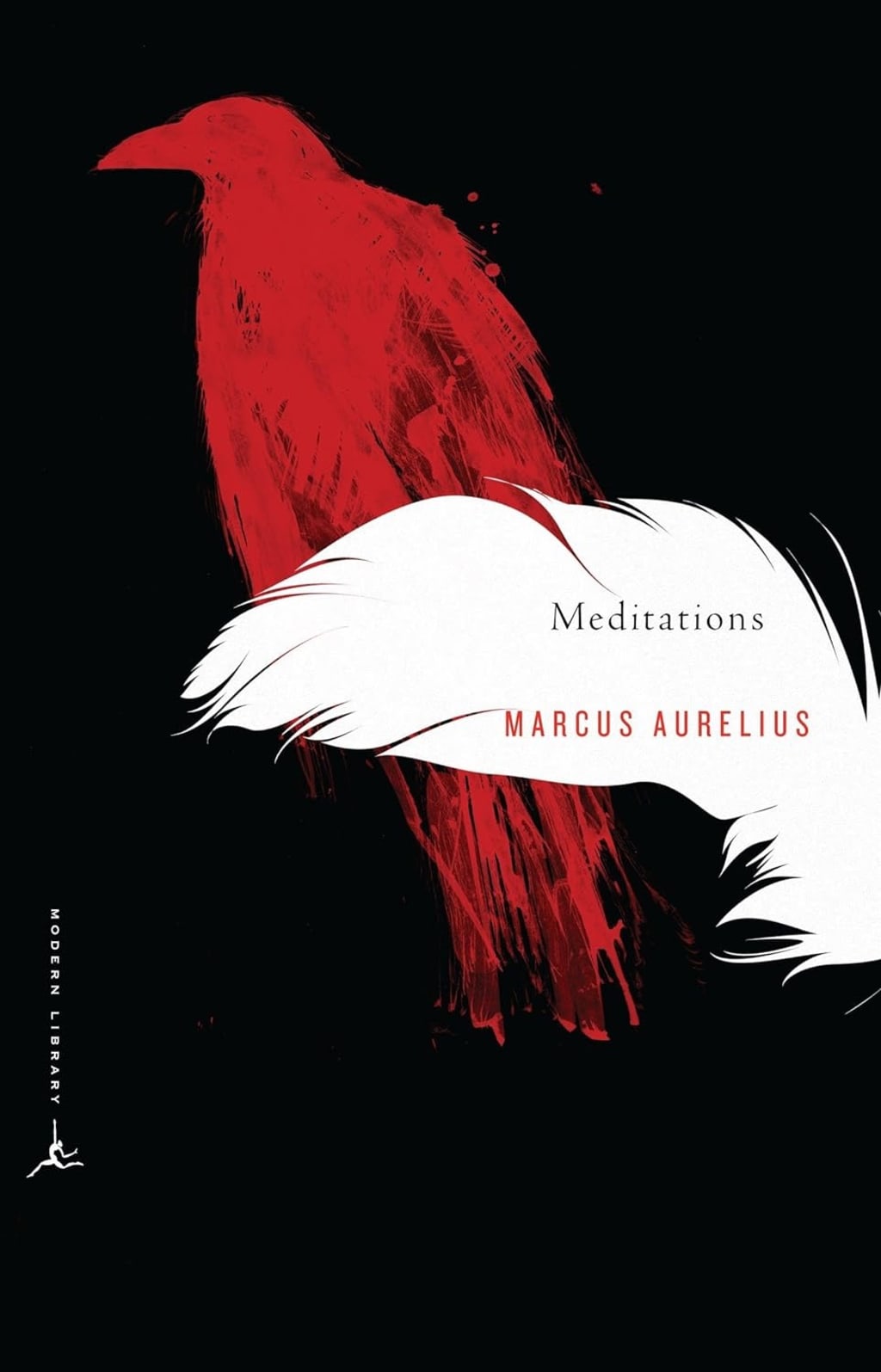
Meditations by Marcus Aurelius stands as a timeless testament to the power of introspection and philosophy in the pursuit of personal growth and ethical living. Written as a series of personal reflections and exercises, this work encapsulates the essence of Stoic philosophy as practiced by one of Rome's most revered emperors. Despite being penned nearly 2,000 years ago, the book remains highly relevant and profoundly influential. Here's a six-point review that explores the enduring value and insights of Meditations.
1. Historical Context and Authorship
Marcus Aurelius wrote Meditations during his military campaigns between 170 and 180 AD. Unlike many philosophical works, Meditations was not intended for publication. It was a personal journal - a series of notes and reflections meant to guide his own behavior and understanding of life. Marcus Aurelius was not just a philosopher; he was a Roman Emperor known for his integrity, leadership, and stoic resilience. Understanding this context helps readers appreciate the raw and personal nature of the text. His reflections are less about public rhetoric and more about personal moral and ethical struggles, making them deeply authentic and relatable.
2. Core Themes and Stoic Philosophy
At its heart, Meditations is an exploration of Stoic philosophy, which emphasizes resilience, rationality, and self-control. Stoicism teaches that while we cannot control external events, we can control our responses to them. Marcus Aurelius' writings are a practical application of this philosophy, focusing on themes such as the impermanence of life, the importance of self-discipline, and the need to maintain inner peace despite external chaos. For readers seeking to understand Stoicism, Meditations provides a raw and practical guide to applying these principles in daily life.
3. Personal Reflection and Self-Improvement
One of the most compelling aspects of Meditations is its introspective nature. The text is filled with Marcus Aurelius' personal reflections on his own virtues and failings. He writes candidly about his struggles with anger, his need for patience, and his desire to live a life aligned with his philosophical principles. This level of personal introspection makes the book an invaluable tool for self-improvement. Readers can relate to Marcus' struggles and use his insights as a mirror to reflect on their own lives. His advice on how to handle adversity and cultivate virtues remains relevant and practical for modern readers.
4. Writing Style and Structure
Meditations is composed of a series of brief, often disjointed passages, which can sometimes make it feel more like a collection of thoughts than a cohesive narrative. The writing style is direct and unembellished, reflecting Marcus Aurelius' intent to communicate practical wisdom rather than artistic flair. This style can be both a strength and a limitation. On one hand, the simplicity of the prose allows for easy reflection and interpretation. On the other hand, the lack of structured narrative may challenge readers looking for a more traditional philosophical discourse. Nevertheless, the fragmented nature of the text mirrors the chaotic reality of human existence and the need for constant self-reflection.
5. Relevance and Modern Application
Despite its ancient origins, the wisdom in Meditations resonates powerfully with contemporary readers. In an age marked by rapid change, constant stress, and societal pressures, Marcus Aurelius' reflections on finding inner peace and maintaining ethical integrity are more pertinent than ever. His advice on managing emotions, dealing with difficult people, and staying true to one's principles offers practical guidance that can be applied to modern life. Whether you're dealing with personal challenges or navigating the complexities of professional life, the principles of Stoicism found in Meditations provide valuable strategies for maintaining equilibrium and focus.
6. Impact and Legacy
The impact of Meditations on philosophy and personal development is profound. The work has influenced countless thinkers, leaders, and individuals seeking wisdom and guidance. Its teachings have been embraced by people from various walks of life, including modern-day philosophers, business leaders, and mental health professionals. The book's ability to inspire and provoke thought is a testament to its enduring relevance. Its legacy as a cornerstone of Stoic philosophy and a source of personal reflection continues to be celebrated and studied, affirming its place as a seminal work in the canon of philosophical literature.
Conclusion
Meditations by Marcus Aurelius is a remarkable work that transcends time and place, offering profound insights into the human condition through the lens of Stoic philosophy. Its historical context, personal reflections, and practical advice make it a unique and valuable read for anyone interested in philosophy, self-improvement, or personal growth. Despite its fragmented style and ancient origins, the principles articulated in Meditations continue to offer relevant and actionable guidance for leading a meaningful and resilient life. As a timeless guide to navigating the complexities of existence with grace and wisdom, Meditations remains an essential read for those seeking to understand and apply Stoic principles in their own lives.
Thank you 🙏
Future of Resilience
About the Creator
Future of Resilience
I enjoy writing book and product review, relationship and parenting blogs. I hope you enjoy my writing. Happy Reading!
Keep reading
More stories from Future of Resilience and writers in BookClub and other communities.
Unlocking Timeless Wealth Wisdom: A Review of "The Richest Man in Babylon" by George S. Clason
In an age where financial advice is often saturated with complex strategies and convoluted jargon, George S. Clason's "The Richest Man in Babylon" stands out as a beacon of simplicity and timeless wisdom. Originally published in 1926, this classic book has not only survived but thrived through the decades, continuing to guide readers on their journey to financial prosperity. Its enduring relevance lies in its straightforward, yet profound, principles conveyed through parables set in ancient Babylon.
By Future of Resilience 2 years ago in BookClub
Rachel Reviews: Lakefront Wolves by Joseph Deegan
Meet Finn. He's an 18 year old kid who has potential. He's bright with great school scores and he's also an athlete, a footballer of some prowess. He has it all going for him, it would seem, and yet, he's determined to send what could be a well-planned, stable existence firmly off the rails. He drinks, he smokes, he takes drugs, he has violent tendencies and he's in danger of losing not only his mind but all that he holds dear.
By Rachel Deeming13 days ago in BookClub
Long Live The Book Club
Haruki Murakami once said, “If you only read the books that everyone else is reading, you can only think what everyone else is thinking.” He had a point, but perhaps he didn't count on the fact that many want to feel like they belong with others, and share something meaningful.
By Avocado Nunzella BSc (Psych) -- M.A.P 7 days ago in BookClub
The Forsyth House Fire
Since 1851, Forsyth House has stood on the corner of Union Street and Gordon Street in the heart of Glasgow. Its iconic, or was... because on Sunday 8th of March, 2026, a fire broke out in a small, seemingly un-named shop in the building and tore all that history down. As I write, the rubble is still unsettled and the street is still blocked off. Central Station is quiet on the upper level, and around 30 small businesses have quite literally gone up in smoke.
By S. A. Crawforda day ago in The Swamp


Comments (1)
Great inspirational review. I remember studying this particular philosopher in college in a Humanities course which by another name is Western Civ.