
Understanding Migraines
Causes, Symptoms, and Effective Treatments

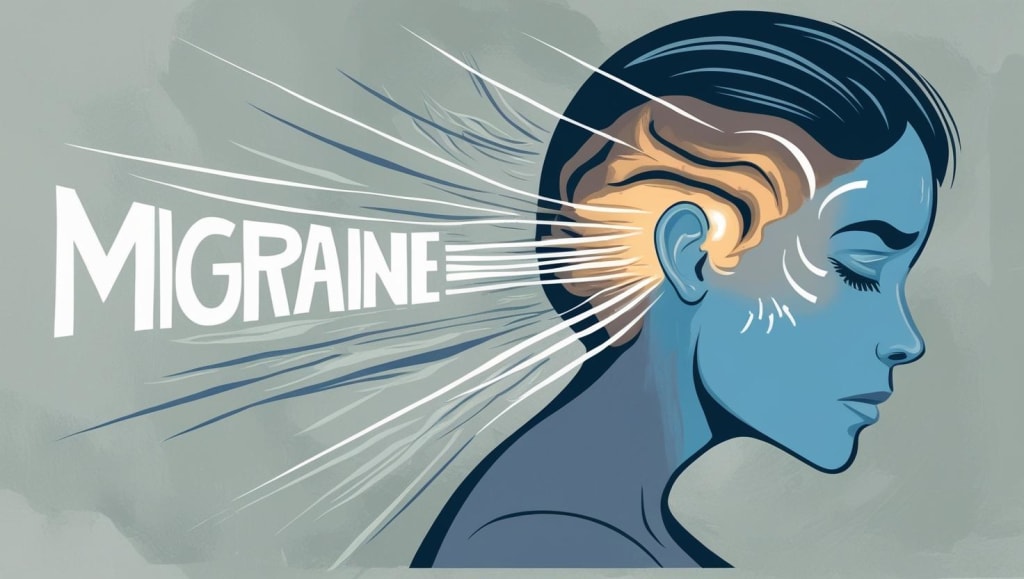
Understanding Migraines: Causes, Symptoms, and Effective Treatments
Migraines are more than just headaches. They are a neurological condition that can significantly disrupt a person’s daily life. Affecting more than **1 billion people worldwide**, migraines are the third most prevalent illness globally. They come with intense, throbbing pain, and often bring a host of other symptoms, such as nausea, sensitivity to light and sound, and visual disturbances.
While some people experience migraines occasionally, others suffer from chronic migraines that occur several times a month. Understanding what causes migraines and how to treat them is key to reducing their impact and improving quality of life.
What Is a Migraine?
A migraine is a type of headache characterized by intense, pulsing pain, usually on one side of the head. However, migraines are more than just headaches—they are a **complex neurological disorder** that affects the brain and the blood vessels surrounding it.
Migraines typically occur in four stages, though not everyone experiences all of them:
1. **Prodrome** – This is a warning phase that can begin hours or even days before the migraine. Symptoms might include mood changes, food cravings, neck stiffness, or frequent yawning.
2. **Aura** – About 25% of migraine sufferers experience an aura, which includes visual disturbances (like flashing lights or blind spots), tingling sensations, or speech difficulties.
3. **Attack** – This is the main phase, where the actual migraine headache occurs. Pain can last from 4 to 72 hours and is often accompanied by nausea, vomiting, and extreme sensitivity to light and sound.
4. **Postdrome** – Often called the “migraine hangover,” this phase includes fatigue, confusion, and difficulty concentrating, and can last for another 24–48 hours after the pain subsides.
Common Migraine Triggers
Migraines don’t have a single cause. They often result from a combination of **genetic, environmental, and neurological factors**. Understanding your triggers can help you prevent attacks. Common triggers include:
- **Stress** – One of the most reported triggers. Emotional stress can cause changes in brain chemicals and blood flow that lead to migraines.
- **Hormonal changes** – Particularly in women, fluctuating estrogen levels can trigger migraines. This is why many women report migraines around their menstrual period.
- **Certain foods and drinks** – Aged cheeses, chocolate, caffeine, alcohol (especially red wine), and processed foods containing nitrates can all be triggers.
- **Sleep disturbances** – Too much or too little sleep, or changes in sleep patterns, can set off migraines.
- **Sensory stimuli** – Bright lights, loud sounds, or strong smells can provoke an attack.
- **Weather changes** – Shifts in barometric pressure or extreme changes in temperature may also contribute.
Keeping a **migraine diary** can help you identify personal triggers and avoid them when possible.
Diagnosing Migraines
There’s no single test to diagnose migraines. Diagnosis typically relies on:
- **Medical history** – Your doctor will ask about the frequency, duration, and nature of your headaches.
- **Physical and neurological exams** – To rule out other causes.
- **Imaging tests** – In some cases, MRI or CT scans may be recommended to rule out more serious conditions like brain tumors or aneurysms.
Migraines are often diagnosed based on the **International Headache Society criteria**, which include factors like the frequency of attacks, the type of pain, and associated symptoms.
How to Treat Migraines
Treatment depends on the frequency and severity of your migraines. It usually involves a combination of **lifestyle changes, medication, and alternative therapies.**
1. Acute (Abortive) Treatments
These are medications taken at the onset of a migraine to relieve symptoms:
- **Over-the-counter pain relievers** – Ibuprofen, aspirin, and acetaminophen can be effective for mild migraines.
- **Triptans** – Prescription drugs like sumatriptan and rizatriptan work by narrowing blood vessels and blocking pain pathways in the brain.
- **Ergotamines** – Less commonly used today, these are effective for longer-lasting migraines.
- **Anti-nausea medications** – Such as metoclopramide or ondansetron, are often prescribed if nausea is severe.
2. Preventive (Prophylactic) Treatments
If you experience migraines more than four times a month or if they are severely debilitating, your doctor may recommend preventive treatments, which are taken daily to reduce the frequency and severity of attacks.
- **Beta-blockers** – Commonly used for high blood pressure but also effective for preventing migraines.
- **Antidepressants** – Especially tricyclics like amitriptyline, which can help with both migraines and sleep disorders.
- **Anti-seizure medications** – Like topiramate and valproic acid, often used to reduce migraine frequency.
- **CGRP inhibitors** – A newer class of drugs that target calcitonin gene-related peptide, a molecule involved in migraine attacks. Examples include Aimovig, Emgality, and Ajovy.
- **Botox injections** – Approved for chronic migraines, botulinum toxin injections around the head and neck every 12 weeks can significantly reduce frequency.
3. Lifestyle Modifications
Lifestyle changes are often just as important as medications. These may include:
- **Sleep hygiene** – Maintain a regular sleep schedule and aim for 7–9 hours of sleep per night.
- **Regular exercise** – Low-impact activities like walking, swimming, or yoga can reduce stress and prevent migraines.
- **Hydration** – Dehydration is a known trigger. Aim for at least 8 glasses of water a day.
- **Stress management** – Techniques like mindfulness, meditation, and cognitive behavioral therapy (CBT) can help.
- **Dietary awareness** – Avoid foods that trigger migraines and eat small, frequent meals to keep blood sugar stable
4. Alternative Therapies
Some people find relief through non-traditional treatments:
- **Acupuncture** – Studies suggest acupuncture can help reduce the frequency and intensity of migraines.
- **Supplements** – Magnesium, riboflavin (vitamin B2), and coenzyme Q10 have shown promise in migraine prevention.
- **Essential oils** – Peppermint and lavender oils may provide temporary relief when applied to the temples or inhaled.
- **Biofeedback** – This technique teaches you to control physiological functions (like heart rate and muscle tension), helping reduce migraine frequency.
When to Seek Medical Help
Migraines can sometimes be confused with more serious conditions like strokes or brain tumors. You should see a doctor immediately if:
- You experience a sudden, severe headache (a “thunderclap” headache).
- The pattern of your headaches changes significantly.
- You have trouble speaking, weakness, or numbness.
- Headaches are accompanied by fever, confusion, or stiff neck.
Living with Migraines
Migraines can be incredibly disruptive, but they don’t have to define your life. With proper management, most people can significantly reduce the number and severity of their attacks. The key lies in **personalized treatment**—what works for one person may not work for another, so it often requires some trial and error.
Keep a migraine diary, stay in touch with your healthcare provider, and remain open to both medical and lifestyle solutions. With time and the right strategy, you can regain control and live a life less affected by migraines.
About the Creator
Gabriela Tone
I’ve always had a strong interest in psychology. I’m fascinated by how the mind works, why we feel the way we do, and how our past shapes us. I enjoy reading about human behavior, emotional health, and personal growth.
Keep reading
More stories from Gabriela Tone and writers in BookClub and other communities.
The Rhythm of Little Stars
The Rhythm of Little Stars A Journey to Finding the Perfect Baby Schedule When Emma first brought baby Oliver home from the hospital, she thought she was ready. She had read the books, joined the forums, listened to every piece of advice from mothers, grandmothers, neighbors, and strangers in grocery store lines. "Sleep when the baby sleeps," they said. "Feed on demand." "Let them cry it out." "Never let them cry it out."
By Gabriela ToneExclusive • 11 months ago
Rachel Reviews: Lakefront Wolves by Joseph Deegan
Meet Finn. He's an 18 year old kid who has potential. He's bright with great school scores and he's also an athlete, a footballer of some prowess. He has it all going for him, it would seem, and yet, he's determined to send what could be a well-planned, stable existence firmly off the rails. He drinks, he smokes, he takes drugs, he has violent tendencies and he's in danger of losing not only his mind but all that he holds dear.
By Rachel Deeming9 days ago in BookClub



Comments
There are no comments for this story
Be the first to respond and start the conversation.