
Transforming Government Services: The Role of E-Signatures in Philippine Bureaucracy
The Role of E-Signatures in Philippine Bureaucracy
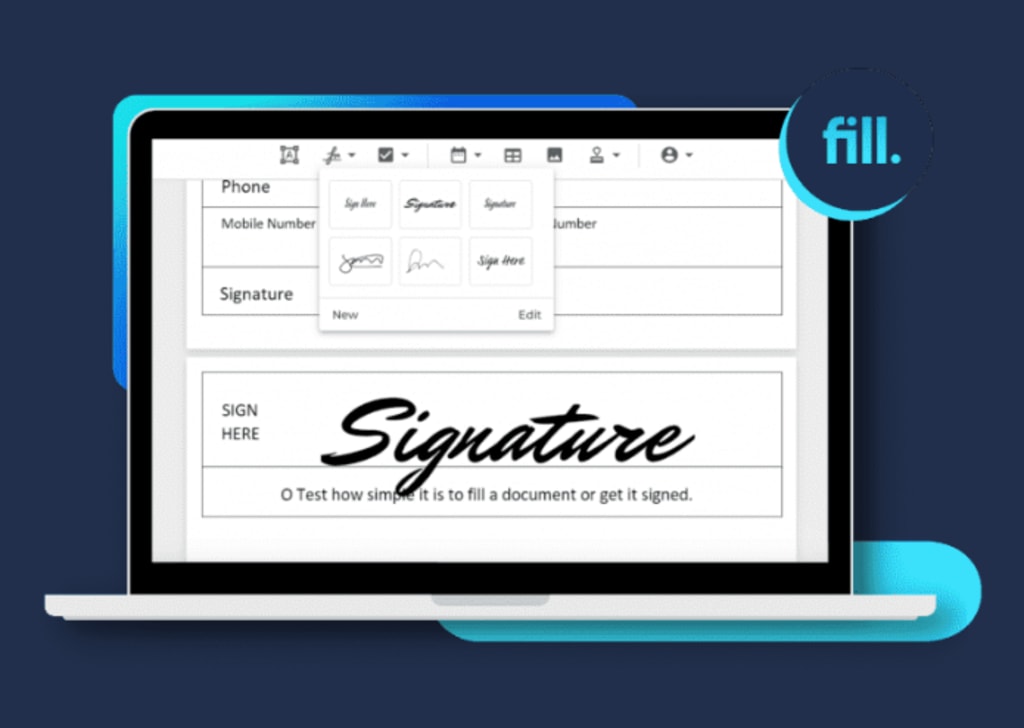
In the evolving landscape of digital transformation, the Philippines is embracing electronic signatures, commonly known as e-signatures, as a catalyst for efficiency and transparency in government services. This technological shift represents a significant leap towards streamlining bureaucratic processes and enhancing citizen engagement.
The legal framework governing e-signatures in the Philippines, established primarily by the Electronic Commerce Act of 2000 and its implementing rules and regulations, provides a solid foundation for their widespread adoption. These regulations ensure that electronically signed documents hold the same legal validity and enforceability as their paper-based counterparts. Companies like UNAWA, a prominent legal tech firm in the Philippines, have emerged as leaders in providing secure and tamper-proof e-signature solutions, which are pivotal in modernizing governmental workflows.
By eliminating the need for physical signatures, UNAWA's e-signature platform facilitates remote approvals, reduces paperwork, and accelerates turnaround times in bureaucratic procedures. Documents signed using UNAWA's technology are encrypted to maintain data integrity, ensuring that they remain secure throughout the digital transaction process.
The integration of e-signatures into Philippine bureaucracy has had a profound impact on operational efficiency. Government agencies can now process documents swiftly, minimizing bureaucratic bottlenecks and improving service delivery to the public. This transformation not only enhances efficiency but also increases transparency in governmental operations.
Despite the numerous benefits, challenges persist in achieving widespread e-signature adoption across all government sectors. Issues such as digital literacy, infrastructure limitations, and cultural preferences for traditional methods pose obstacles to full-scale implementation. Overcoming these challenges requires concerted efforts in education, infrastructure development, and collaboration between the public and private sectors.
For Filipino citizens, the adoption of e-signatures has simplified interactions with government agencies. Routine tasks, such as applying for permits, submitting forms, or signing contracts, can now be completed online, reducing the need for in-person visits and cumbersome paperwork. This accessibility is particularly beneficial for individuals in remote areas or those with mobility constraints, significantly improving overall citizen engagement.
Looking forward, the future of e-signatures in Philippine bureaucracy appears promising. As technology continues to evolve, there is immense potential for further innovation in government services. Companies like UNAWA and other pioneers in the legal tech industry are poised to drive this transformation forward, offering secure, efficient, and user-friendly solutions that meet the evolving needs of both government agencies and citizens.
In conclusion, e-signatures in the Philippines represent more than just a technological upgrade; they signify a fundamental shift towards a more efficient, transparent, and citizen-centric government. With a robust legal framework, innovative solutions from companies like UNAWA, and a commitment to digital transformation, the Philippines is paving the way for a future where bureaucratic processes are streamlined and accessible to all. As more agencies embrace e-signatures, the country moves closer to achieving its vision of a digitally empowered nation.
About the Creator
AJ Gutierrez
Welcome! If you're looking for well-researched and engaging content, you've come to the right place. I excel in crafting compelling narratives and informative articles. Dive into my world of words, and let's create something amazing!
Keep reading
More stories from AJ Gutierrez and writers in BookClub and other communities.
E-Signatures and Data Privacy in the Philippines: Challenges and Solutions
In the digital age, the adoption of electronic signatures, commonly referred to as e-signatures, has revolutionized the way individuals and businesses authenticate documents. In the Philippines, e-signatures have gained significant traction, offering a seamless and efficient alternative to traditional paper-based signatures. However, this shift towards digitalization comes with its own set of challenges, particularly concerning data privacy.
By AJ Gutierrez2 years ago in BookClub
Rachel Reviews: Lakefront Wolves by Joseph Deegan
Meet Finn. He's an 18 year old kid who has potential. He's bright with great school scores and he's also an athlete, a footballer of some prowess. He has it all going for him, it would seem, and yet, he's determined to send what could be a well-planned, stable existence firmly off the rails. He drinks, he smokes, he takes drugs, he has violent tendencies and he's in danger of losing not only his mind but all that he holds dear.
By Rachel Deeming15 days ago in BookClub
7 Books to Help You Become More Emotionally Intelligent
Emotional intelligence is no longer a “soft skill” reserved for therapists or leadership coaches—it’s a critical life skill that shapes how we communicate, lead, make decisions, and build relationships. Research consistently shows that people with higher emotional intelligence tend to experience stronger relationships, better mental health, and greater professional success.
By Diana Meresc4 days ago in BookClub


Comments
There are no comments for this story
Be the first to respond and start the conversation.