
Top 5 Recommended Books of 2025
These books are Recommend for every person who learn everything new in Their Life


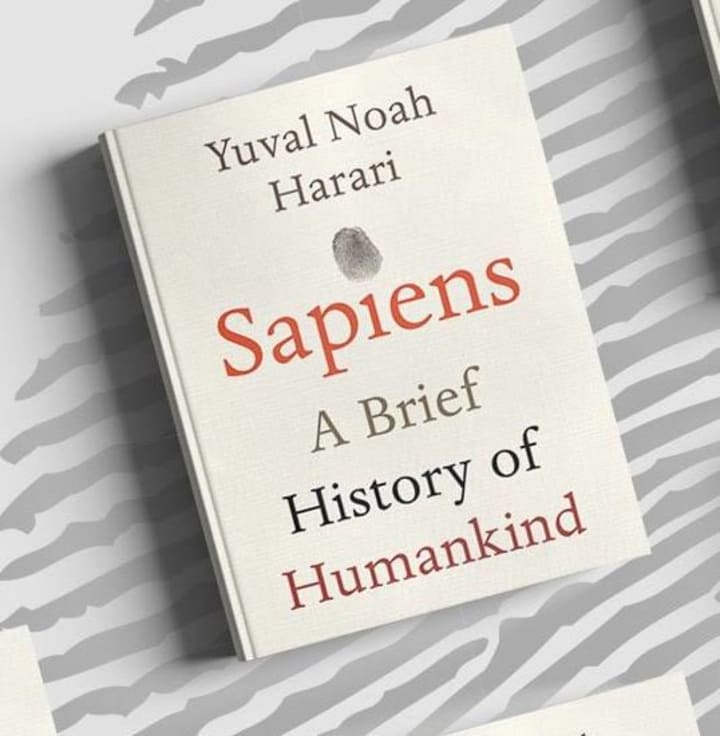
1. "Sapiens: A Brief History of Humankind"
Author: Yuval Noah Harari
Key Points:
- Human Evolution: Harari traces the history of Homo sapiens from the Stone Age to the modern era, exploring how biological and cultural evolution shaped human societies.
- Cognitive Revolution: The book highlights how humans developed language, myths, and shared beliefs, enabling large-scale cooperation and societal development.
- Impact of Agriculture: It discusses the Agricultural Revolution’s role in transforming human lifestyles, leading to permanent settlements, social hierarchies, and inequality.
- Modern Challenges: Harari examines the consequences of industrialization, capitalism, and technology, questioning their impact on human happiness and the planet’s future.
- Interdisciplinary Approach: The narrative blends history, biology, and anthropology, offering a thought-provoking perspective on humanity’s past and future.
Sapiens is a sweeping exploration of human history, written in an engaging, accessible style. Harari’s ability to connect historical events with modern dilemmas makes this a must-read for those curious about humanity’s trajectory.
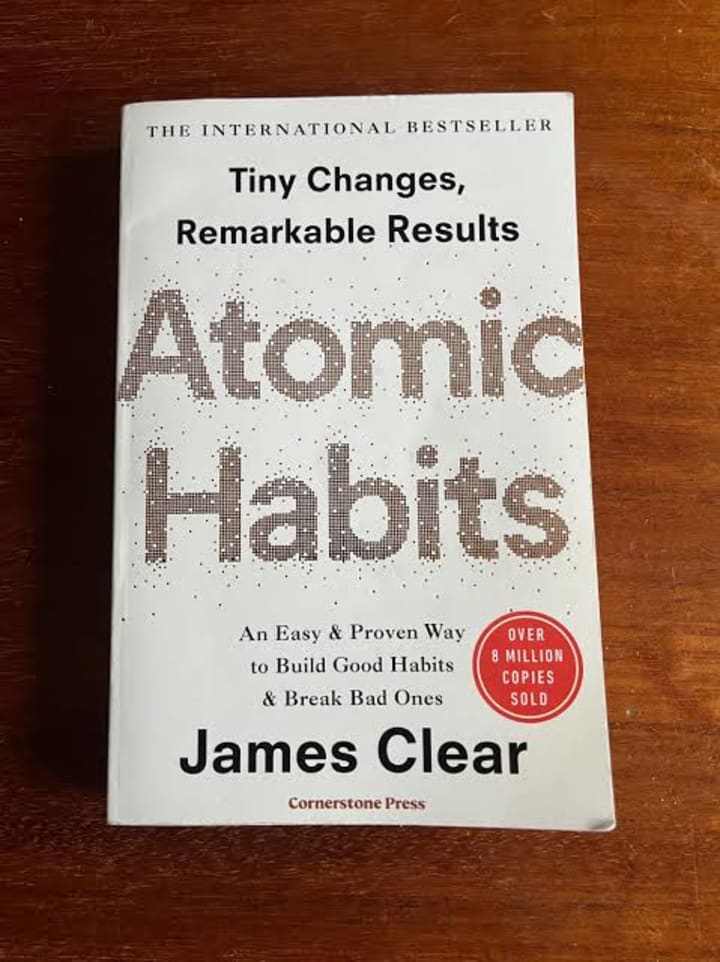
2. "Atomic Habits: An Easy & Proven Way to Build Good Habits & Break Bad Ones"
Author: James Clear
Key Points:
- Small Changes, Big Impact: Clear emphasizes the power of incremental changes, showing how 1% improvements compound over time to yield significant results.
- Habit Loop: The book introduces the concept of the habit loop (cue, craving, response, reward) and how to manipulate it to form or break habits.
- Practical Strategies: It offers actionable advice, like the “two-minute rule” (starting habits with small, manageable actions) and habit stacking (linking new habits to existing ones).
- Identity-Based Habits: Clear advocates focusing on who you want to become, not just what you want to achieve, to make habits stick.
- Overcoming Obstacles: The book provides tools to address common habit-building challenges, such as lack of motivation or environmental triggers.
Atomic Habits is a practical guide for anyone seeking personal growth. Clear’s evidence-based approach, combined with real-life examples, makes habit formation approachable and effective.
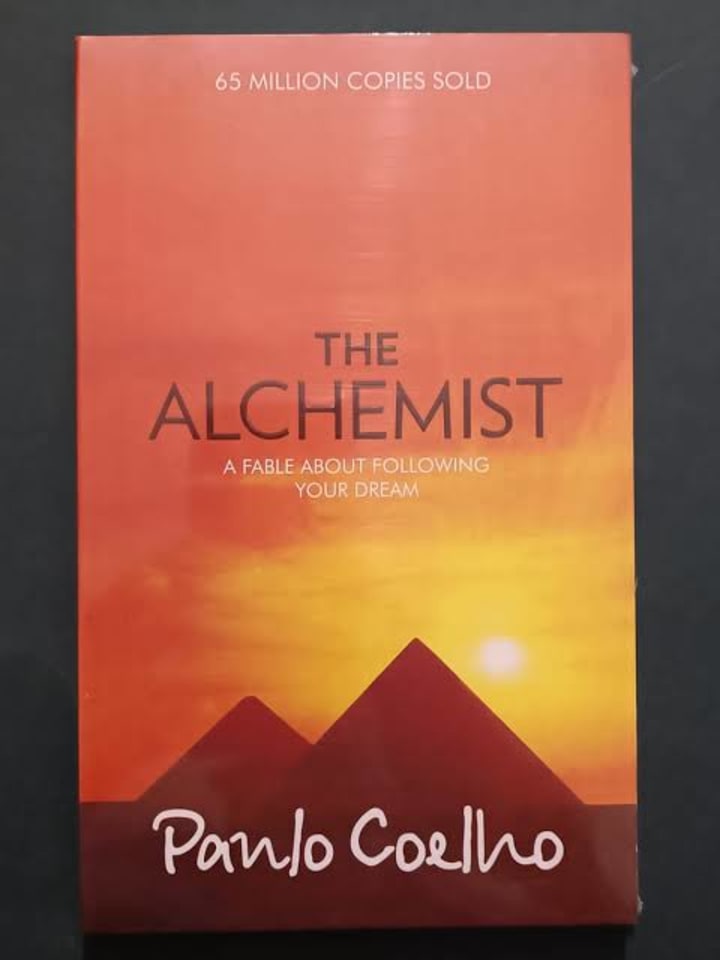
3. "The Alchemist: A Fable About Following Your Dream"
Author: Paulo Coelho
Key Points:
- Personal Legend: The novel follows Santiago, a young shepherd, on his quest to pursue his “Personal Legend,” a concept representing one’s true purpose in life.
- Spiritual Wisdom: Coelho weaves in themes of destiny, courage, and listening to one’s heart, drawing from alchemy and spiritual traditions.
- Universal Lessons: The story emphasizes the importance of taking risks, embracing the unknown, and finding meaning in life’s journey.
- Symbolism: The book uses rich metaphors, like turning lead into gold, to represent personal transformation and self-discovery.
- Global Appeal: Its simple yet profound narrative resonates across cultures, making it a timeless tale of inspiration.
The Alchemist is a beautifully written fable that encourages readers to pursue their dreams with courage and faith. Coelho’s storytelling captivates and inspires self-reflection.
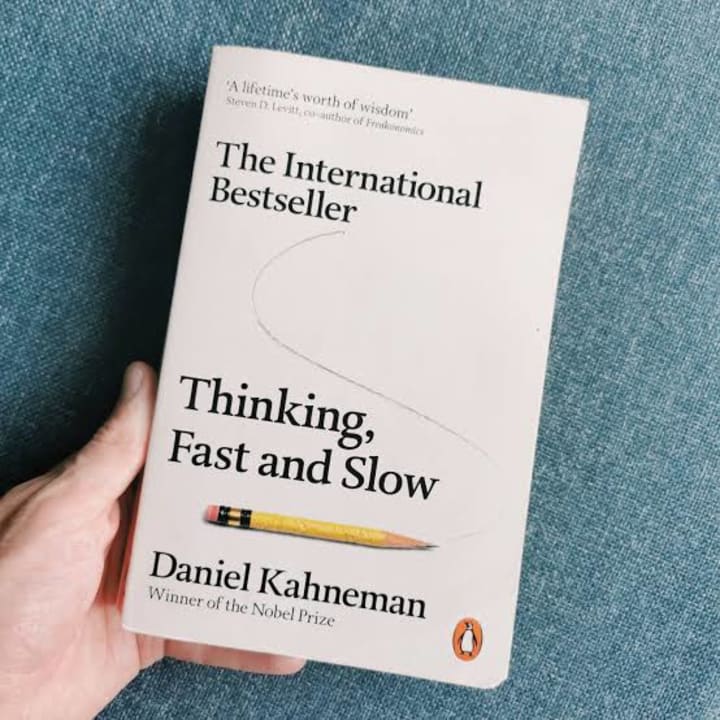
4. "Thinking, Fast and Slow"
Author: Daniel Kahneman
Key Points:
- Dual Systems: Kahneman introduces two modes of thinking: System 1 (fast, intuitive, automatic) and System 2 (slow, deliberate, analytical), explaining how they shape decisions.
- Cognitive Biases: The book explores biases like overconfidence, anchoring, and the availability heuristic, which distort rational thinking.
- Behavioral Economics: It delves into how humans make irrational choices, challenging the idea of the “rational actor” in traditional economics.
- Practical Implications: Kahneman offers insights into improving decision-making in areas like finance, relationships, and policy by understanding cognitive limitations.
- Research-Based: Drawing from decades of psychological research, the book is both rigorous and accessible, grounded in real-world experiments.
Thinking, Fast and Slow is a landmark work in psychology, offering profound insights into how we think and make choices. It’s ideal for readers interested in human behavior and decision-making.
5. "Dune: The Epic Science Fiction Saga"
Author: Frank Herbert
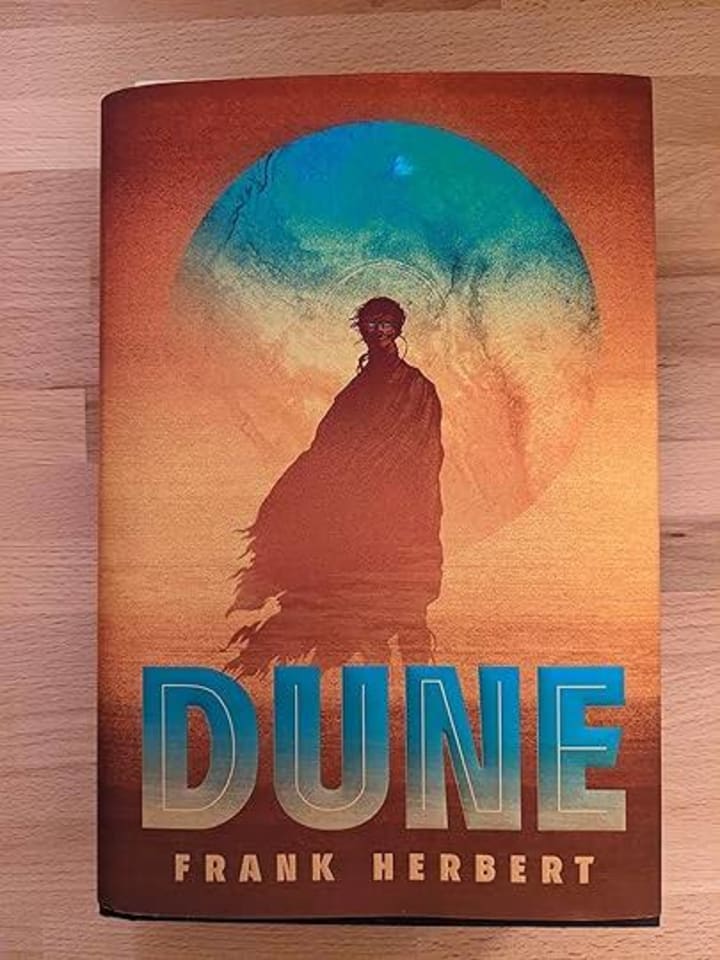
Key Points:
- Complex World-Building: Set on the desert planet Arrakis, Dune explores themes of politics, religion, and ecology in a richly imagined universe.
- Hero’s Journey: The story follows Paul Atreides, a young noble who rises to lead a rebellion, blending messianic prophecy with strategic intrigue.
- Environmental Themes: Herbert examines resource scarcity (centered on the spice melange) and humanity’s relationship with nature, prescient for its time.
- Power and Betrayal: The narrative delves into the corrupting nature of power, with complex characters navigating alliances and betrayals.
- Cultural Depth: Drawing from Arabic and Islamic influences, the book offers a layered exploration of culture, faith, and destiny.
Dune is a science fiction masterpiece that combines thrilling storytelling with deep philosophical questions. Herbert’s intricate world captivates fans of epic narratives and speculative fiction.
About the Creator
Am@n Khan
I'm educational storyteller passionate about turning knowledge into engaging narratives.
I write about topics like science, history and life skills.
Contact
WhatsApp : +923336369634
My New Book is Finally Here
My poetry collection Beautiful and Brutal Things is done. It's actually done and finally published over 270 pages. Over a year of my life went into this book. More than a year, really. Long days at my computer, sometimes seven days a week because I couldn't stop even when I probably should have. Then two months of editing that felt harder than the writing itself. But it's finished, and I'm still standing, and the book is real.
By Tim Carmichaela day ago in BookClub
Valentine in Montréal
Don't be fooled by the title. The story is actually very interesting: My name is Valentine. I am twenty-three years old and I work at a little store at Berri-UQAM métro. I am very ordinary-looking and Barney, who works the same shift as me at the store, says I do not know how to dress. I have been working there for four years, and I have never missed a day. This is why sometimes I seem familiar to people, even though they can't place me.
By Kendall Defoe 4 days ago in BookClub




Comments
There are no comments for this story
Be the first to respond and start the conversation.