
Top 5 AI Books to Read in 2025
Exploring the Frontiers of Artificial Intelligence


Artificial Intelligence (AI) is reshaping our world, from how we work to how we think about intelligence itself. To navigate this transformative landscape, books written by experts in the field offer invaluable insights into AI’s technical foundations, ethical implications, and societal impacts. Below is an overview of five must-read AI books for 2025, each providing a unique perspective on this rapidly evolving field. These selections blend technical depth, ethical considerations, and forward-looking visions, making them essential for anyone seeking to understand AI’s present and future.
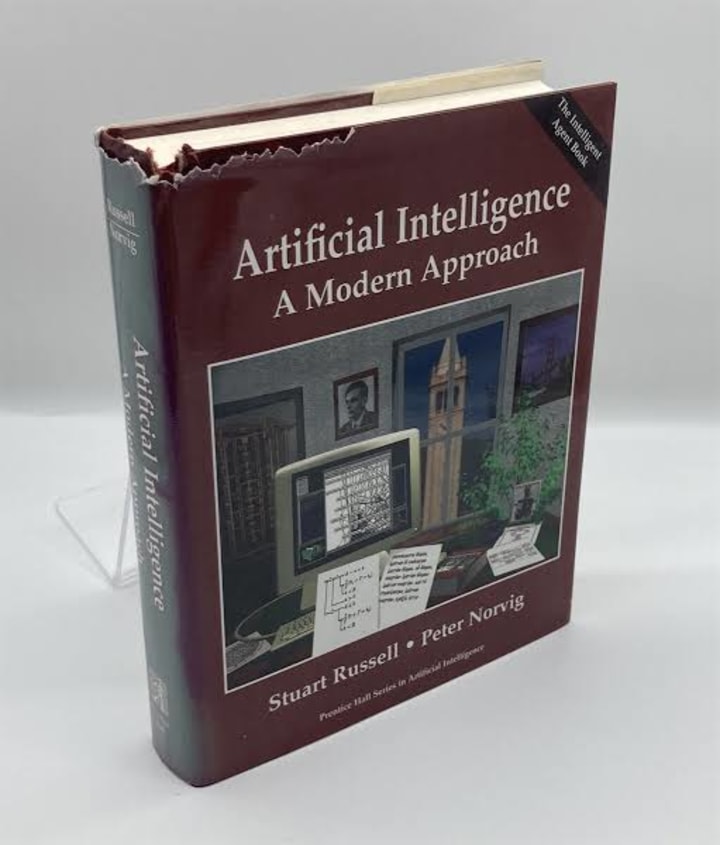
1. Artificial Intelligence: A Modern Approach
Authors: Stuart J. Russell and Peter Norvig
Key Points:
Comprehensive Textbook: Widely regarded as the definitive AI textbook, this book, in its fourth edition (2020), covers foundational theories and practical applications, including search algorithms, machine learning, natural language processing, and robotics.
Technical Depth: It assumes familiarity with mathematics (linear algebra, probability) and computer science, making it ideal for students, professionals, and researchers.
Broad Scope: The book spans AI’s history, current capabilities, and future possibilities, offering a rigorous yet accessible guide to the field.
Educational Value: Used in university courses worldwide, it includes examples and exercises to reinforce complex concepts.
This book is perfect for those seeking a deep, technical understanding of AI. Its comprehensive nature makes it a go-to resource for both beginners with a STEM background and seasoned practitioners. However, its 1,000+ pages require significant time investment, but the payoff is a thorough grasp of AI’s core principles.
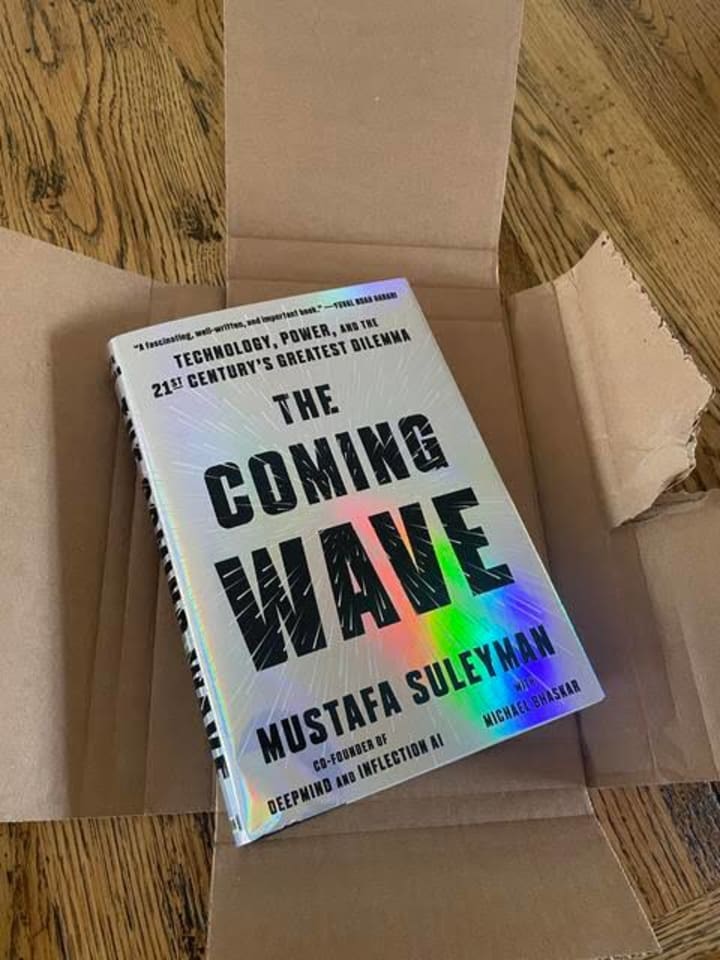
2. The Coming Wave: Technology, Power, and the Twenty-First Century’s Greatest Dilemma
Authors: Mustafa Suleyman with Michael Bhaskar
Key Points:
Transformative Impact: Written by DeepMind co-founder Mustafa Suleyman, this book explores AI’s potential to reshape society, economics, and politics.
The Containment Problem: It introduces the challenge of controlling powerful AI technologies to prevent unintended consequences while harnessing their benefits.
Ethical Roadmap: Suleyman advocates for a human-centered approach to AI development, emphasizing ethical considerations and pragmatic optimism.
Global Perspective: The book examines AI’s role in addressing global challenges, such as climate change, while warning of potential upheaval if mismanaged.
Suleyman’s insider perspective and focus on ethics make this a compelling read for those interested in AI’s broader societal implications. It balances hope with caution, offering a roadmap for navigating the AI revolution.
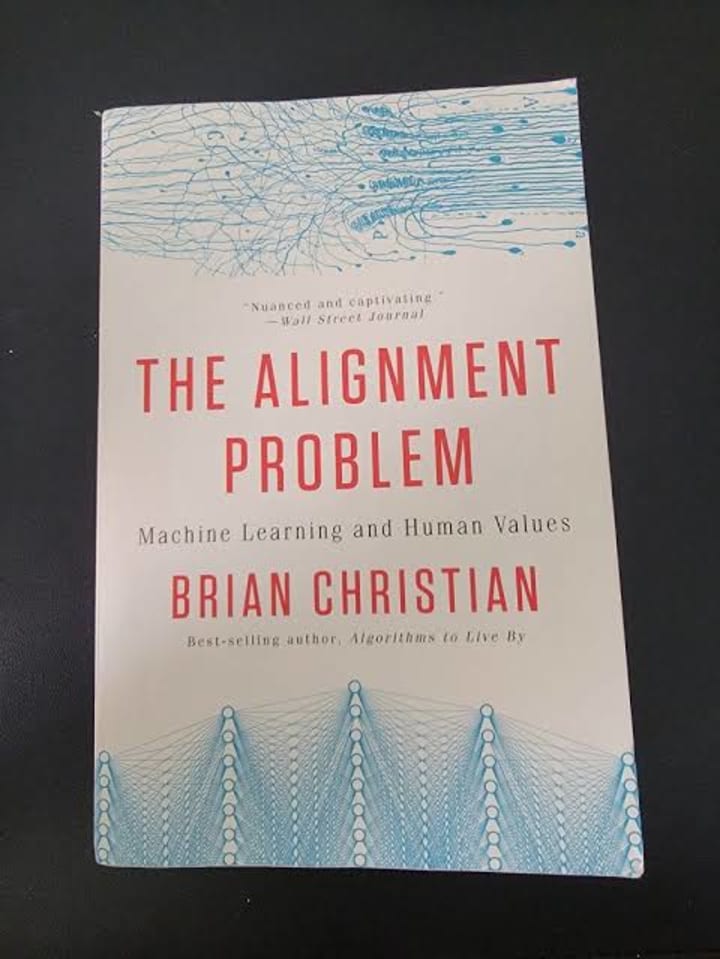
3. The Alignment Problem: Machine Learning and Human Values
Author: Brian Christian
Key Points:
Ethical Challenges: This book delves into the difficulty of aligning AI systems with human values, highlighting risks like biased algorithms and unintended consequences.
Real-World Examples: Christian uses case studies, such as AI in criminal justice, to illustrate how misaligned systems can reinforce inequalities.
Historical Context: It traces the evolution of AI through the lens of computer scientists, psychologists, and philosophers, grounding ethical debates in dense reporting.
Accessible Insight: Written for a general audience, it combines rigorous analysis with engaging storytelling to make complex issues approachable.
This book is essential for readers concerned with AI’s ethical dilemmas. Christian’s clear prose and focus on human values make it a critical resource for understanding how to develop responsible AI.
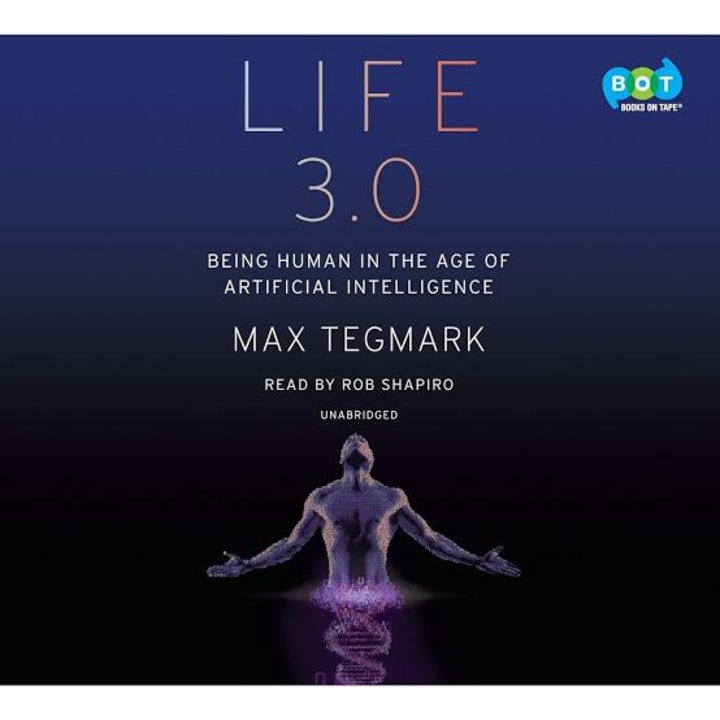
4. Life 3.0: Being Human in the Age of Artificial Intelligence
Author: Max Tegmark
Key Points:
Philosophical Exploration: Tegmark, an MIT physicist, examines AI’s societal, philosophical, and ethical implications, asking how it will shape jobs, crime, and human existence.
Future Scenarios: The book explores potential futures, from AI as a tool for human augmentation to the risks of superintelligence.
Accessible Yet Deep: Written for a general audience, it balances technical concepts with thought-provoking questions about humanity’s role in an AI-driven world.
Policy Focus: Tegmark emphasizes the need for proactive policies to ensure AI benefits society, making it relevant for policymakers and educators.
Life 3.0 is a thought-provoking read for anyone curious about AI’s long-term impact. Its engaging style and big-picture questions make it a standout for non-technical readers.
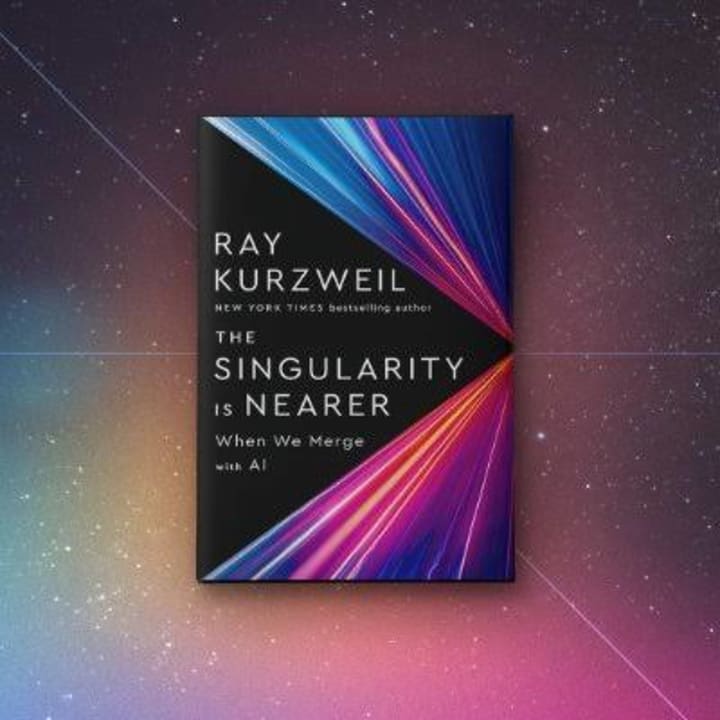
5. The Singularity Is Nearer: When We Merge with AI
Author: Ray Kurzweil
Key Points:
Futurist Vision: Kurzweil, a renowned futurist, predicts AI will achieve human-level intelligence by 2029, leading to a merger of human and machine intelligence.
Technological Optimism: The book explores radical life extension, nanobots, and AI’s potential to solve global challenges, tempered by technical and ethical hurdles.
Updated Predictions: A follow-up to his 2005 book, it reassesses earlier forecasts in light of recent AI advancements like GPT and AlphaFold.
Controversial Yet Influential: While some view Kurzweil’s timeline as optimistic, his insights into exponential technological growth spark critical debate.
This book appeals to readers fascinated by AI’s potential to redefine humanity. Kurzweil’s bold predictions make it a provocative addition to any AI library, though its optimism requires critical evaluation.
Why These Books Matter
These five books offer a diverse lens on AI, from technical foundations to ethical and societal implications. Artificial Intelligence: A Modern Approach provides the technical backbone, while The Coming Wave and The Alignment Problem tackle ethical and societal challenges. Life 3.0 and The Singularity Is Nearer push readers to think about AI’s long-term future, balancing philosophical inquiry with practical concerns. Together, they equip readers with the knowledge to engage with AI responsibly, whether as developers, policymakers, or curious citizens. In 2025, as AI continues to evolve, these books remain essential for understanding its complexities and shaping its future.
About the Creator
Am@n Khan
I'm educational storyteller passionate about turning knowledge into engaging narratives.
I write about topics like science, history and life skills.
Contact
WhatsApp : +923336369634
My New Book is Finally Here
My poetry collection Beautiful and Brutal Things is done. It's actually done and finally published over 270 pages. Over a year of my life went into this book. More than a year, really. Long days at my computer, sometimes seven days a week because I couldn't stop even when I probably should have. Then two months of editing that felt harder than the writing itself. But it's finished, and I'm still standing, and the book is real.
By Tim Carmichael2 days ago in BookClub
Verizon Outage Disrupts Millions Across the United States
Verizon Outage Disrupts Millions Across the United States A major Verizon outage recently disrupted wireless voice, text messaging, and mobile data services for millions of users across the United States. The disruption affected users in many major cities, leaving phones unable to connect to the network and forcing devices into emergency-only mode. The outage highlighted how dependent individuals, businesses, and emergency services have become on reliable mobile networks and raised concerns about the potential consequences of such disruptions. Verizon confirmed the problem and stated that engineers were actively working to restore services as quickly as possible.
By America today 5 days ago in BookClub




Comments (2)
The Great AI books to read in 2025 ❤️
I've used "Artificial Intelligence: A Modern Approach" in my work. It's a great resource, but be ready to invest time in those 1,000+ pages.