
The Uncensored Picture of Dorian Gray
A Modern Tale of Beauty, Corruption, and the Cost of Immortality
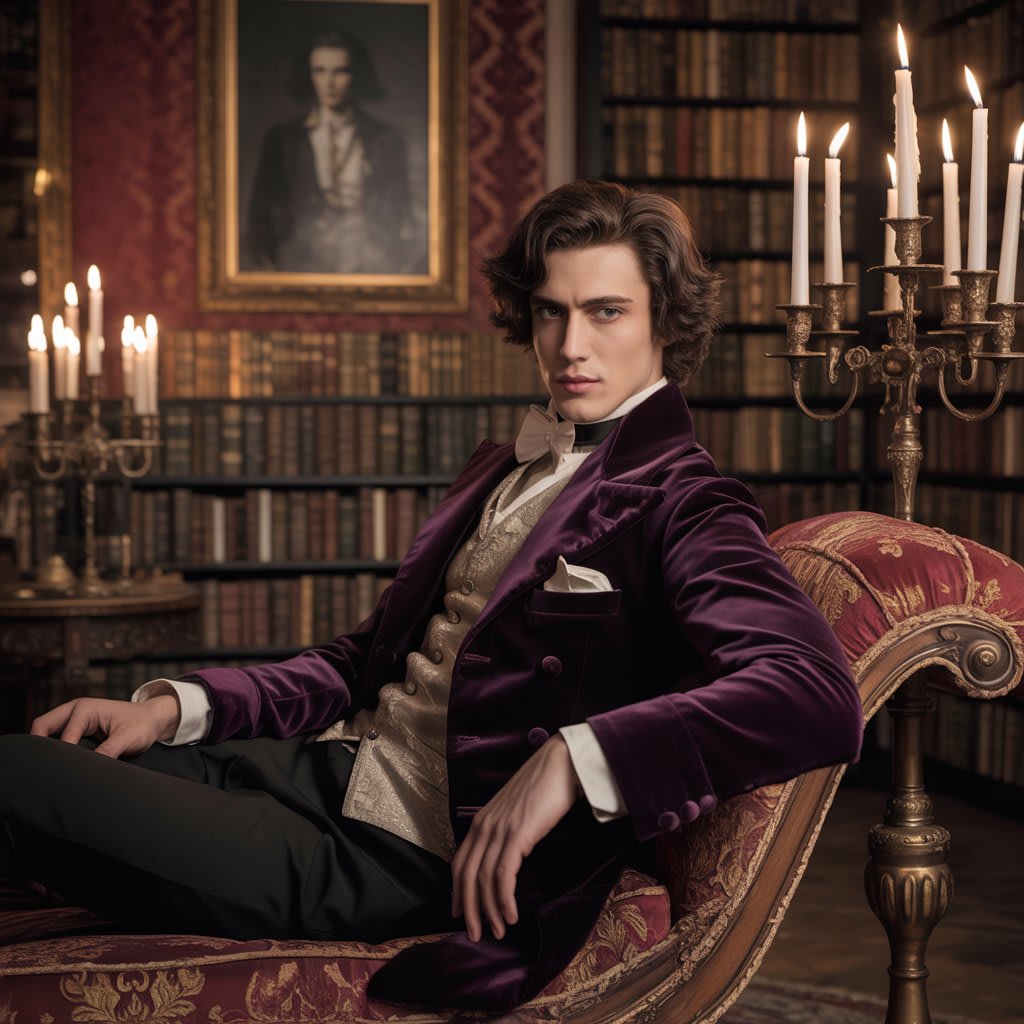
A Modern Allegory of Beauty and Ruin
Chapter One: The Click
In the age of filters and facades, Dorian Gray was more than a man—he was a phenomenon. Not born of fame, but of fascination. His first photo went viral at seventeen. A candid, sunlight-drunk image taken by Basil Hall, a rising digital artist with a romantic soul and a crush he never confessed.
The image was titled simply: "Gray."
And it changed everything.
It hung in virtual galleries and designer lofts. Agencies called. Brands begged. Dorian didn’t try; he existed. And the world adored him for it.
But it wasn’t the fame that seduced Dorian. It was the stillness of that image. The way he looked—timeless, untouched, holy.
“I want to stay like that,” he whispered one night, staring at the digital portrait glowing on Basil’s massive screen.
“Everyone does,” Basil smiled, not understanding.
“No,” Dorian said. “I mean it.”
Chapter Two: The Whisperer
That was the night Henry Wotton entered his life.
Henry was a cultural philosopher with a podcast following in the millions. Every quote of his could ruin a politician or ignite a movement. When he met Dorian at an art gala, he saw not just a face—but a blank slate.
“You’re too beautiful to be boring,” Henry said. “Don’t waste your life on goodness.”
Dorian laughed. “What’s the alternative?”
“Pleasure,” Henry said. “Honesty. Selfishness. The divine right of the adored.”
And from then on, Dorian listened. Every word Henry said carved something new in him—less empathy, more hunger.
Chapter Three: The Digital Pact
Dorian’s wish was never spoken aloud, but it was made. Every like, every repost, every thirsty DM he received was fuel for the flame. He didn’t age. He didn’t wrinkle. While the world spun madly, he remained frozen—forever the boy in the photo.
But something changed in Basil’s original file. The portrait mutated in secret. Basil noticed it once while scrolling his archives: Dorian’s eyes in the image had grown colder. His smile, tighter. A bruise under one cheek that wasn’t there before.
He brushed it off as a glitch. A corrupted file.
But the image changed again. Each time Dorian made a choice that took him deeper into the void—betraying friends, using lovers, ghosting those who cared—the digital portrait twisted further.
Until one day, it looked back at Basil.
Chapter Four: Ghosts in Pixels
Basil confronted Dorian, pleading with him.
“You used to care. You used to feel.”
“I still do,” Dorian said, adjusting his designer jacket. “Just not in the same way.”
“What happened to you?”
“I learned to stop apologizing.”
“Your soul is sick.”
“Who needs a soul when you have influence?”
Basil tried to delete the portrait. The file wouldn’t budge. He unplugged the drive—it stayed. He smashed his monitor—it appeared in reflections.
One night, in desperation, he visited Dorian’s penthouse.
“You need to look,” Basil said.
Dorian did. And for the first time, he flinched.
The digital Dorian was monstrous. His once-chiseled features warped. Lips curled with cruelty. Skin bloated with rot. Behind his eyes were all the things he had done.
“I don’t know that person,” Dorian said coldly. “And I never want to.”
He left the room. Basil stayed.
By morning, Basil was dead—an overdose, they claimed. But Dorian never blinked at the funeral.
Chapter Five: The High
Years passed. Dorian consumed cities. Tokyo, Berlin, Dubai. Wherever he went, nightlife ignited. Hearts shattered. He was the muse of a generation and the warning sign no one listened to.
But the file never stopped changing.
By now, Dorian kept it locked away in a private server. No one could access it. No one could touch it. But he checked it—often.
Just a glance.
And it ruined him a little more each time.
There were moments when he tried to fix things. He donated. He meditated. He adopted a dog.
But the portrait didn’t forgive.
Because Dorian didn’t.
Chapter Six: The Descent
Henry Wotton remained in his life, always circling like a philosopher-vulture.
“You knew this would happen,” Dorian accused him one night.
“No,” Henry said, smiling. “I hoped it would.”
“You turned me into this.”
“I didn’t turn you into anything. I just stopped you from lying to yourself.”
Dorian stood. “I’m tired of being beautiful.”
Henry raised a glass. “Then be monstrous. Be legend. But don’t be boring.”
Chapter Seven: The Truth
On the night of his thirtieth birthday, Dorian locked himself in the room with the portrait.
He stared at it for hours.
The file shimmered, flickered—living, breathing. He saw the people he used, the lives he broke, the innocence he killed in himself.
“I wanted to stay young,” he whispered. “I didn’t want to become this.”
But he already had.
He opened a program. Dragged the file into a recycle bin. Clicked delete.
An error message appeared: "Action cannot be completed. File in use."
Rage exploded in him. He smashed the keyboard. Shattered the screen.
But the image lived—burned now into the wall, the glass, his mind.
He grabbed a blade from his drawer. Trembling, he turned it inward.
Epilogue: The Beautiful Lie
When they found him, Dorian Gray was curled on the floor of his penthouse, lifeless. But he looked flawless. Not a wrinkle, not a bruise.
No cause of death.
The world mourned. #ForeverGray trended for days.
But in a corrupted folder on an anonymous server, the portrait still existed. Not just as a file—but as a warning.
And if you ever find it, they say, and you look too long, you’ll see yourself—not as you are, but as you really are.
And maybe that’s what makes it truly uncensored.1q
About the Creator
Keep reading
More stories from Muhammad Abbas and writers in BookClub and other communities.
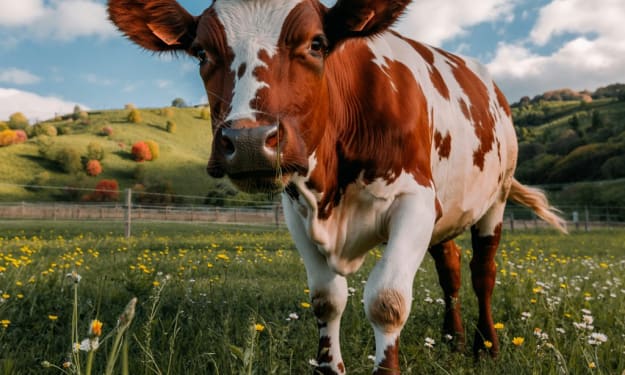
The curious cow of Cloverfield
In a quiet little valley wrapped in sunshine and wildflowers, there lay a peaceful farm known as Cloverfield. The skies above were always soft and blue, and the meadows stretched as far as the eye could see. But what made Cloverfield special wasn’t just its beauty—it was Clara, the most curious cow the farm had ever known.
By Muhammad Abbas9 months ago in History
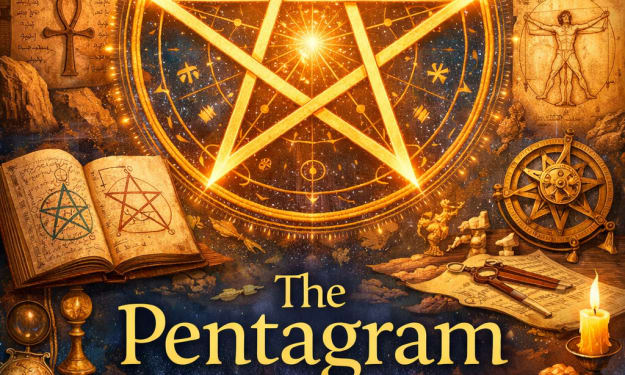
The Pentagram
A Symbol Older Than Written Memory The pentagram ranks among the oldest geometric symbols known to human civilization. Defined as a five-pointed star formed by a single unbroken line, the figure appears in material culture dating back more than five thousand years. Archaeological evidence places early examples in Mesopotamian inscriptions, where the form carried associations with celestial order, spatial direction, and authority. From those earliest appearances, the pentagram moved fluidly across cultures, languages, and belief systems, adapting its meaning while retaining its distinctive structure.
By Marcus Hedare5 days ago in BookClub
The Path to Salvation
The late autumn evening air filled the monk's lungs, but it wasn't the season that chilled his bones. The heavy-handed presence of evil he had sensed upon entering the woods surrounding this mountain village had not bothered to conceal itself from him.
By Made in DNA4 days ago in Fiction


Comments
There are no comments for this story
Be the first to respond and start the conversation.