
The Top 5 most Read History Books
Exploring the Past: An Overview of Five Essential History Books


History books serve as windows into the past, offering narratives that illuminate human experiences, conflicts, and transformations. Below, we explore five acclaimed history books, each with a distinct focus, from the collapse of empires to personal stories of survival.
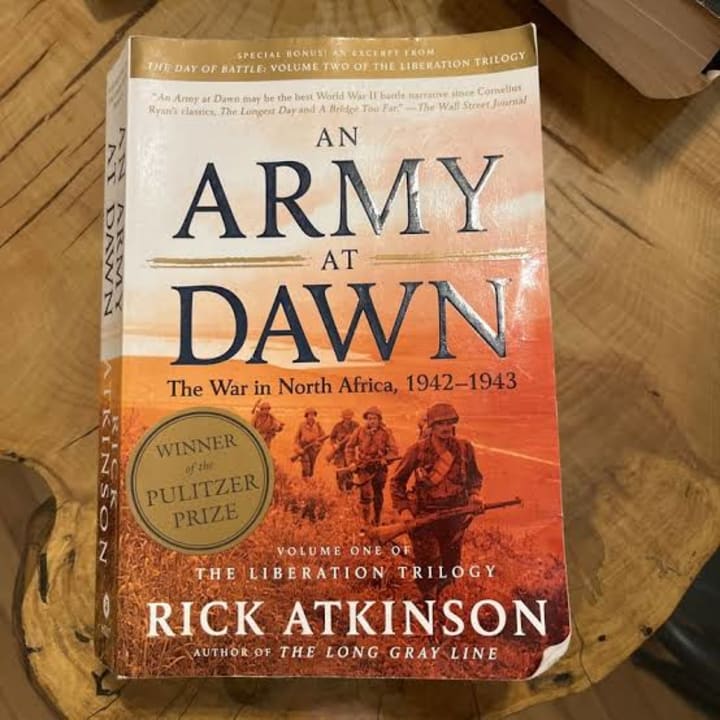
1. An Army at Dawn: The War in North Africa, 1942–1943
Author: Rick Atkinson
Subtitle: The War in North Africa, 1942–1943
Key Points:
An Army at Dawn is the first volume of Rick Atkinson’s Liberation Trilogy, chronicling the Allied campaign in North Africa during World War II.
The book details the U.S. and British armies’ struggles against Vichy French forces and later the Germans and Italians in Morocco, Algeria, and Tunisia.
Atkinson emphasizes the inexperience of American troops and their evolution into a formidable fighting force under commanders like Eisenhower, Patton, and Bradley.
The narrative captures the strategic importance of North Africa as a testing ground for Allied cooperation and a pivotal moment in America’s emergence as a global power.
Drawing on extensive archival research, the book blends vivid battle descriptions with personal accounts, offering a granular view of the war’s human cost.
Significance: This Pulitzer Prize-winning work provides a gripping account of a lesser-known theater of WWII, highlighting leadership challenges and the Allies’ growing pains.
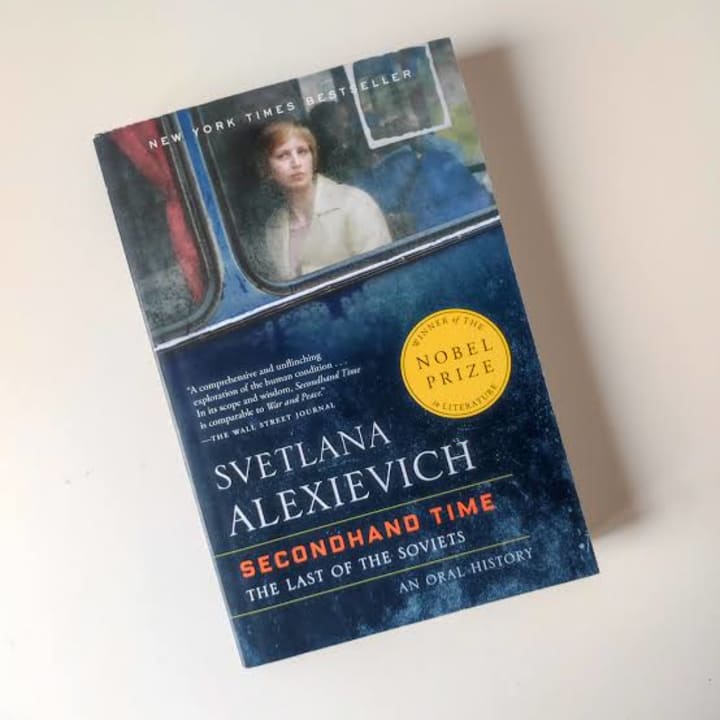
2. Secondhand Time: The Last of the Soviets
Author: Svetlana Alexievich
Subtitle: The Last of the Soviets
Key Points:
Nobel Prize winner Svetlana Alexievich uses oral history to document the disintegration of the Soviet Union and the emergence of post-Soviet Russia.
The book compiles interviews with diverse voices—former Soviet citizens, from workers to intellectuals—revealing the emotional and social toll of the USSR’s collapse.
Alexievich explores themes of nostalgia, disillusionment, and adaptation as individuals navigate the shift from communism to a new, uncertain era.
The narrative underscores the loss of Soviet identity and the chaotic birth of modern Russia, capturing personal stories of resilience and despair.
Its documentary-style approach offers a raw, unfiltered perspective on a transformative period in global history.
Significance: Secondhand Time is a monumental work that humanizes the end of an empire, giving voice to those who lived through seismic change.
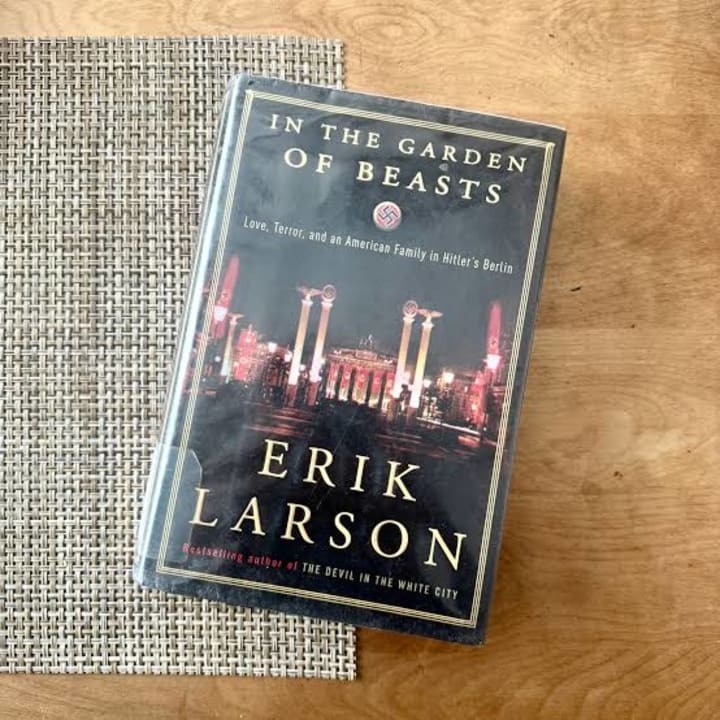
3. In the Garden of Beasts: Love, Terror, and an American Family in Hitler’s Berlin
Author: Erik Larson
Subtitle: Love, Terror, and an American Family in Hitler’s Berlin
Key Points:
Erik Larson recounts the experiences of William E. Dodd, America’s first ambassador to Nazi Germany in 1933, and his daughter Martha.
The book explores the Dodd family’s initial fascination with the “New Germany” and their gradual realization of its horrors, including Jewish persecution and censorship.
Martha’s romantic entanglements, including with a Gestapo chief, highlight the seductive allure of the Nazi regime to outsiders.
Larson uses Dodd’s diplomatic reports and personal letters to illustrate the U.S. government’s initial indifference to Hitler’s rise.
The narrative captures a critical turning point in history, as the world underestimated the Nazi threat.
Significance: This vivid account blends personal drama with political history, offering a chilling glimpse into the early years of Hitler’s regime.
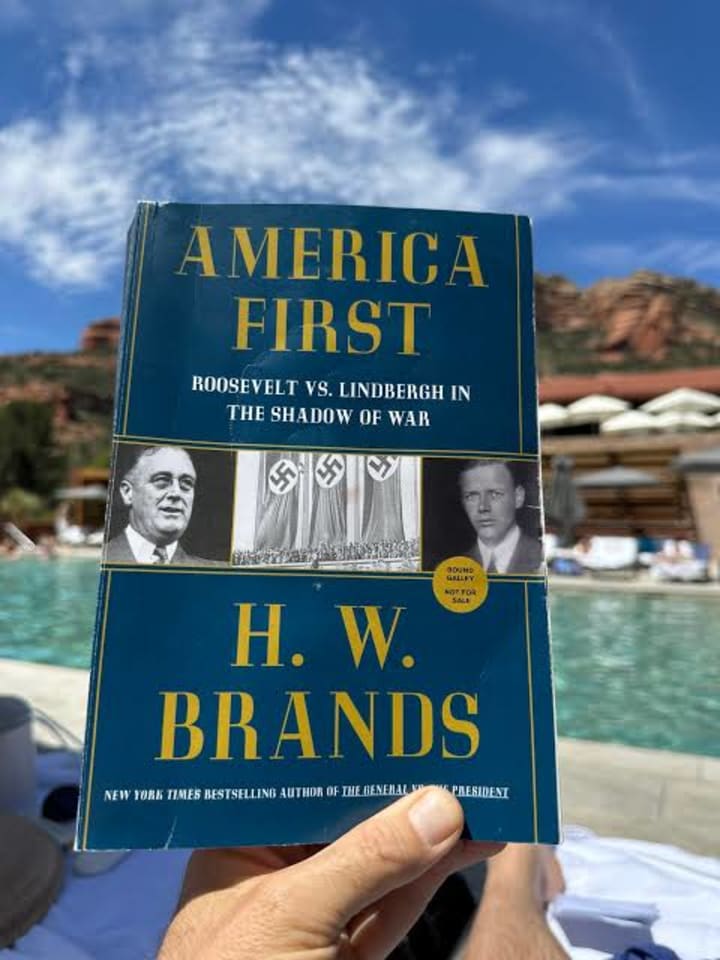
4. Those Angry Ultimates: Charles Lindbergh, Franklin Roosevelt, and a Nation Divided
Author: H.W. Brands
Subtitle: Charles Lindbergh, Franklin Roosevelt, and a Nation Divided
Key Points:
H.W. Brands examines Charles Lindbergh’s role as a leading voice of American isolationism and Franklin Roosevelt’s efforts to shift public opinion toward intervention in WWII.
The book details Lindbergh’s rise to fame after his 1927 transatlantic flight and his leadership in the America First Committee.
It explores Roosevelt’s political maneuvering, including secret British disinformation campaigns, to prepare the U.S. for war.
Brands highlights the ideological clash between isolationism and global engagement, a defining moment in America’s foreign policy.
The narrative uses Lindbergh and Roosevelt as lenses to explore a pivotal era when the U.S. became a global superpower.
Significance: This book offers a nuanced look at a crucial debate in American history, shedding light on the forces that shaped U.S. involvement in WWII.
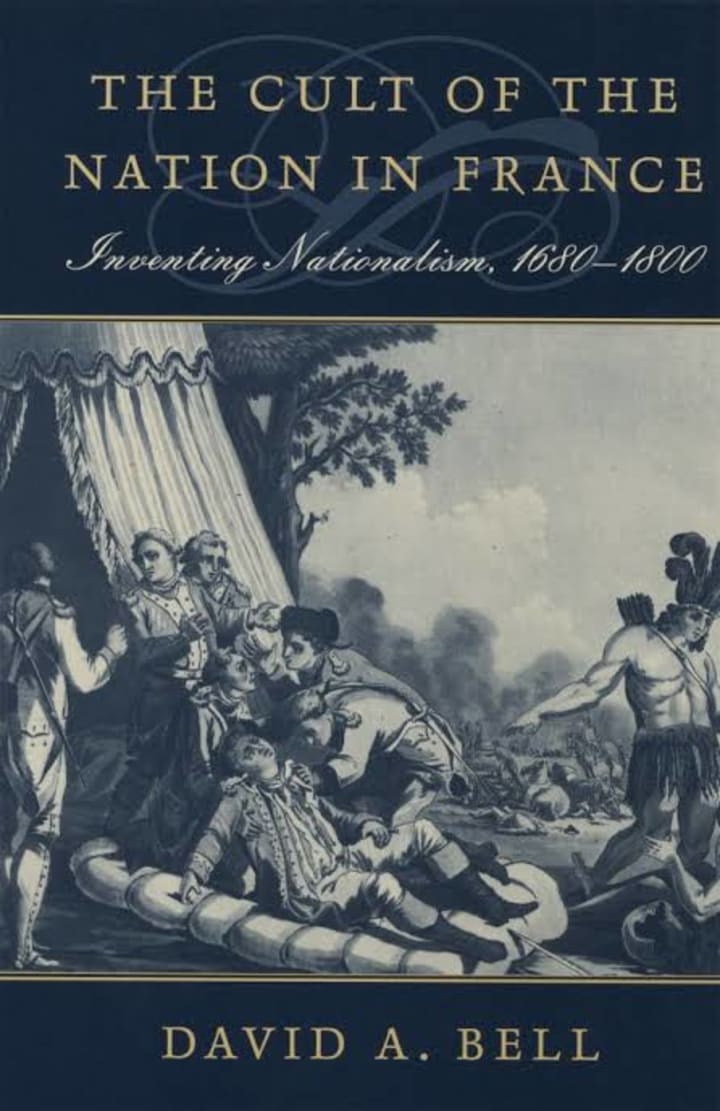
5. The Cult of the Nation in France: Inventing Nationalism, 1680–1800
Author: David A. Bell
Subtitle: Inventing Nationalism, 1680–1800
Key Points:
David Bell argues that French nationalism was “invented” in the 18th century, not a natural or ancient phenomenon.
The book traces the cultural, political, and intellectual developments that constructed a national identity before the French Revolution.
Bell connects nationalism to religious concepts, showing how terms like “sacred” shaped patriotic rhetoric.
It examines key texts and events from 1680 to 1800, illustrating how ideas of nationhood emerged in France.
The work challenges assumptions about nationalism’s origins, offering a scholarly yet accessible analysis.
Significance: This book provides a thought-provoking framework for understanding the roots of modern nationalism, with implications for global history.
About the Creator
Am@n Khan
I'm educational storyteller passionate about turning knowledge into engaging narratives.
I write about topics like science, history and life skills.
Contact
WhatsApp : +923336369634
Rachel Reviews: Lakefront Wolves by Joseph Deegan
Meet Finn. He's an 18 year old kid who has potential. He's bright with great school scores and he's also an athlete, a footballer of some prowess. He has it all going for him, it would seem, and yet, he's determined to send what could be a well-planned, stable existence firmly off the rails. He drinks, he smokes, he takes drugs, he has violent tendencies and he's in danger of losing not only his mind but all that he holds dear.
By Rachel Deeming15 days ago in BookClub
7 Books Every Woman Should Read to Feel More Confident
In a world where women constantly navigate societal expectations, professional hurdles, and personal challenges, cultivating self-confidence is not just desirable—it’s essential. Confidence empowers us to speak up, pursue our ambitions, and embrace our authentic selves. One of the most transformative ways to build this confidence is through reading. Books have the power to challenge our perspectives, inspire growth, and provide actionable strategies for personal and professional development.
By Diana Meresc6 days ago in BookClub


Comments
There are no comments for this story
Be the first to respond and start the conversation.