
The Top 3 History Books
1.A people's History of the United States , 2. The New Roman Empire , 3. The Sisterhood

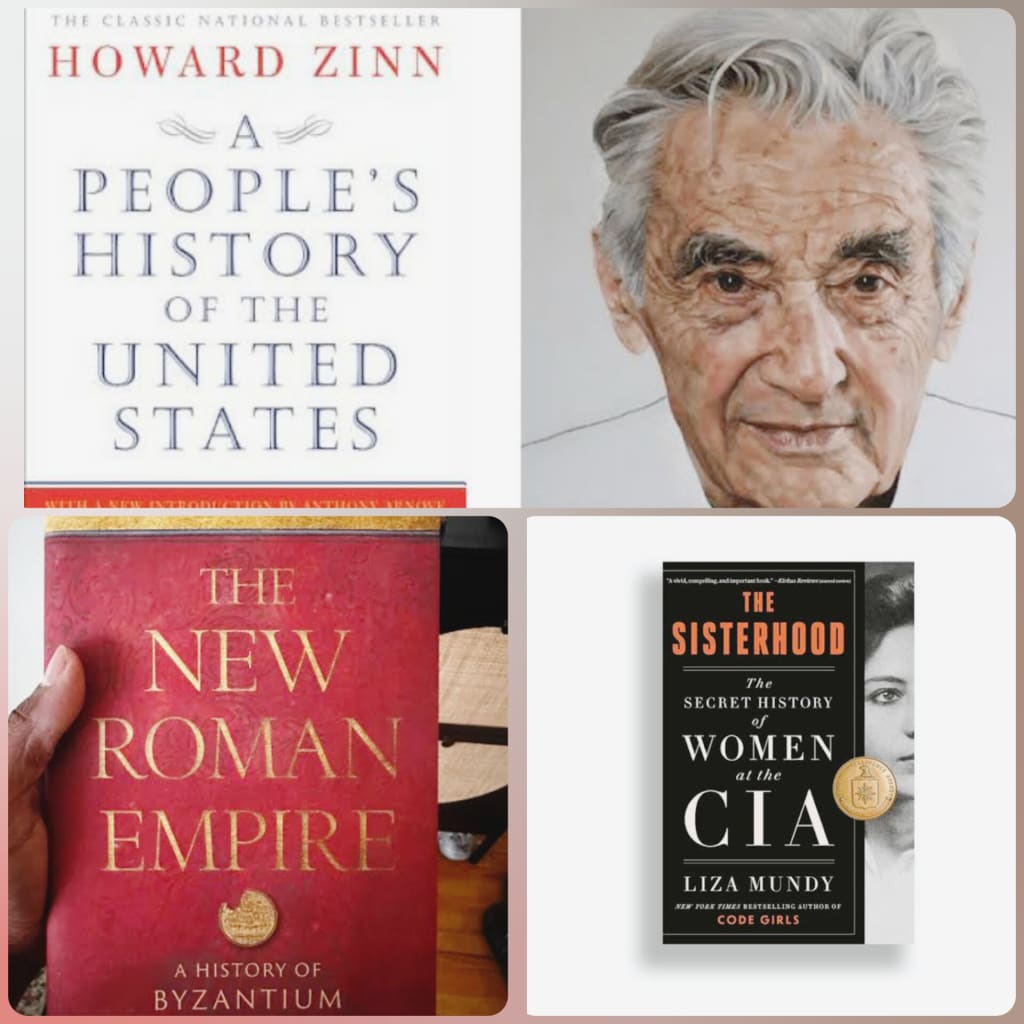
History books offer a window into the past, providing insights into the events, people, and forces that have shaped our world. Below is an overview of three compelling history books, each with its title, subtitle, and key points, highlighting their unique contributions to historical scholarship and public understanding.
1. A People's History of the United States: 1492–Present
Author: Howard Zinn
Overview: First published in 1980 and updated through 2005, A People's History of the United States by Howard Zinn is a groundbreaking nonfiction work that reinterprets American history from the perspective of marginalized groups. Unlike traditional histories that focus on political elites and national triumphs, Zinn chronicles the struggles of workers, African Americans, Native Americans, women, and other underrepresented voices. With over two million copies sold, the book has influenced historical education and inspired a shift toward inclusive narratives.
Key Points:
Bottom-Up Perspective: Zinn emphasizes the experiences of ordinary people, such as slaves, laborers, and activists, rather than presidents or generals. For example, he details the resistance of Native Americans during European colonization and the labor strikes led by figures like Mother Jones.
Critique of Power: The book portrays U.S. history as a struggle against exploitative systems, arguing that economic and political elites have often manipulated events to maintain power. Zinn’s discussion of the Vietnam War highlights anti-war movements and their clash with government policies.
Controversial Reception: Critics, like Stanford’s Sam Wineburg, argue Zinn selectively uses sources to support his narrative, such as cherry-picking quotes to suggest African American hostility toward World War II efforts. Supporters, however, praise its accessibility and role in challenging patriotic myths.
Educational Impact: Widely used in high schools and colleges, the book has reshaped curricula to include diverse perspectives, though some conservatives criticize it for promoting a negative view of America.
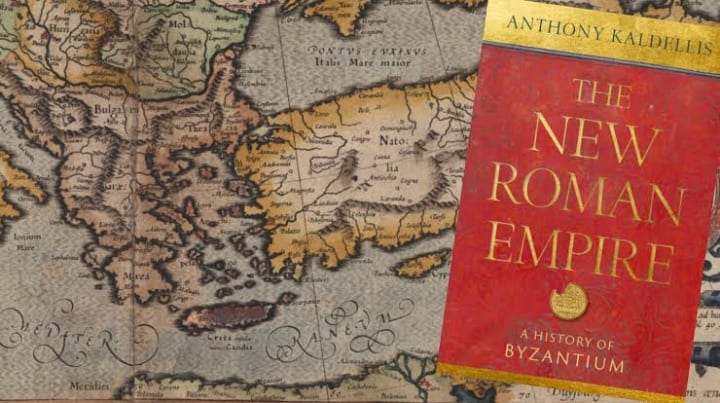
2. The New Roman Empire: A History of Byzantium
Author: Anthony Kaldellis
Overview: Published in 2023, The New Roman Empire by Anthony Kaldellis is a comprehensive 918-page history of the Byzantine Empire, spanning from Constantine’s founding of Constantinople in 330 CE to its fall in 1453. Written by a University of Chicago classics professor, this accessible yet scholarly work reframes Byzantium as the enduring eastern Roman Empire, challenging modern misconceptions. It’s praised for its depth and readability, making it ideal for both academics and general readers.
Key Points:
Reclaiming Roman Identity: Kaldellis avoids terms like “Byzantium,” arguing they misrepresent the empire’s Roman roots. He describes it as “Romanía,” one of the most durable states in history, outlasting its western counterpart by a millennium.
Governance and Resilience: The book explores Byzantium’s sophisticated bureaucracy, military strategies, and religious policies, which sustained it through invasions and internal strife. Kaldellis highlights its adaptability, such as its diplomatic alliances with neighboring powers.
Cultural Legacy: Byzantium’s contributions to art, law, and theology are emphasized, including the preservation of Greek and Roman texts that later fueled the Renaissance. The book also examines its complex relationship with the Islamic world.
Accessibility: Despite its length, the narrative is engaging, with vivid accounts of emperors, battles, and societal shifts, making it a standout for lay readers interested in medieval history.
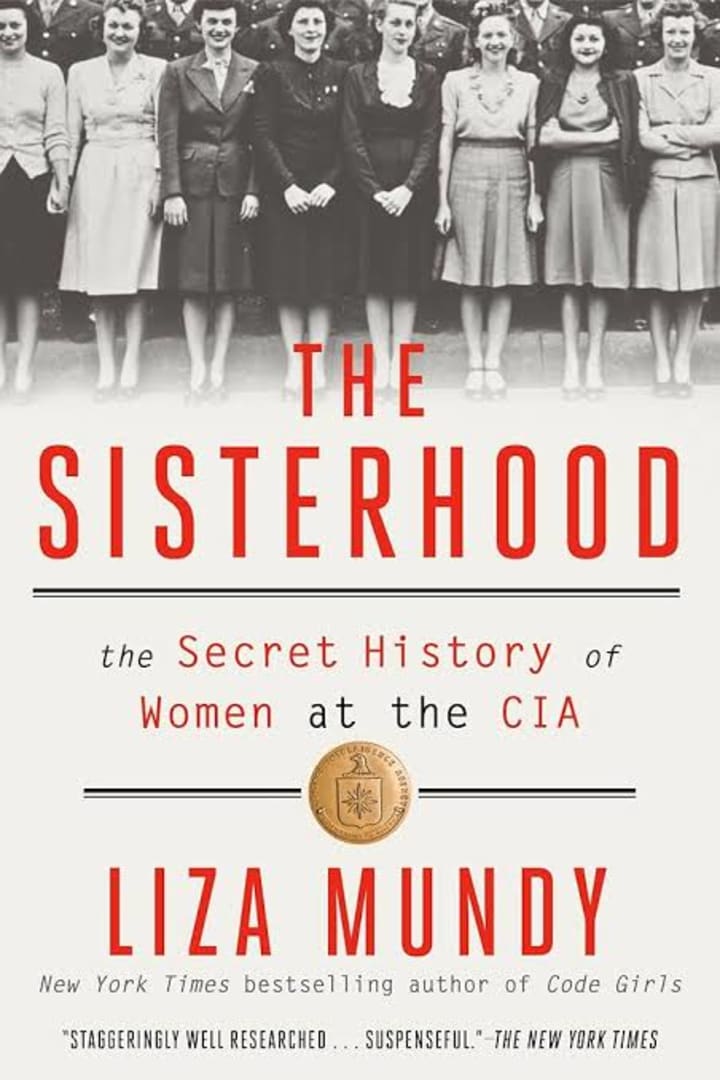
3. The Sisterhood: The Secret History of Women at the CIA
Author: Liza Mundy
Overview: Released in 2023, The Sisterhood by Liza Mundy uncovers the untold stories of women who shaped the CIA over seven decades. Drawing from over 100 interviews, declassified documents, and personal writings, Mundy reveals how female operatives broke barriers in a male-dominated agency, contributing to major intelligence successes while navigating institutional sexism. The book is both a tribute to these unsung heroes and a critical look at the CIA’s controversial history.
Key Points:
Hidden Contributions: Mundy details women’s roles in pivotal operations, such as tracking Osama bin Laden. She highlights figures like those who authored prescient reports ignored by male superiors, showcasing their analytical prowess.
Gender Barriers: The book exposes the CIA’s early resistance to women in fieldwork, with many relegated to clerical roles. Over time, women like Heidi August, who rose to senior ranks, paved the way for change.
Moral Ambiguity: Mundy acknowledges the CIA’s “darkest chapters,” including covert actions that caused harm, and examines how women grappled with ethical dilemmas while serving their country.
Narrative Style: The book’s blend of biography, espionage thriller, and institutional history makes it a gripping read, appealing to those interested in gender studies and intelligence history.
Conclusion
These three books—A People's History of the United States, The New Roman Empire, and The Sisterhood—offer distinct lenses on history, from grassroots movements to imperial longevity to gender dynamics in espionage. Zinn’s work challenges readers to rethink national narratives, Kaldellis revives a misunderstood empire, and Mundy illuminates women’s covert contributions. Together, they demonstrate history’s richness and its power to inform the present, making them essential reads for anyone seeking to understand the complexities of the past
About the Creator
Am@n Khan
I'm educational storyteller passionate about turning knowledge into engaging narratives.
I write about topics like science, history and life skills.
Contact
WhatsApp : +923336369634
Rachel Reviews: Lakefront Wolves by Joseph Deegan
Meet Finn. He's an 18 year old kid who has potential. He's bright with great school scores and he's also an athlete, a footballer of some prowess. He has it all going for him, it would seem, and yet, he's determined to send what could be a well-planned, stable existence firmly off the rails. He drinks, he smokes, he takes drugs, he has violent tendencies and he's in danger of losing not only his mind but all that he holds dear.
By Rachel Deeming15 days ago in BookClub
7 Must-Read Books for Those Looking to Start Reading Again
Rediscovering the joy of reading can feel a bit like returning to an old friend. Many of us once devoured books but gradually drifted away due to busy schedules, digital distractions, or simply losing the habit. The good news? It’s never too late to rebuild a reading routine—and the right books can make the journey exciting again.
By Diana Meresc3 days ago in BookClub



Comments (1)
The best Historical Books I have Read in 2025 Great Work 💖❤️