
3 Books for Personal Finance
These books are for personal Finance and wealth-building and how to manage your money


These books offer practical insights into wealth-building, financial management, and the behavioral aspects of money.
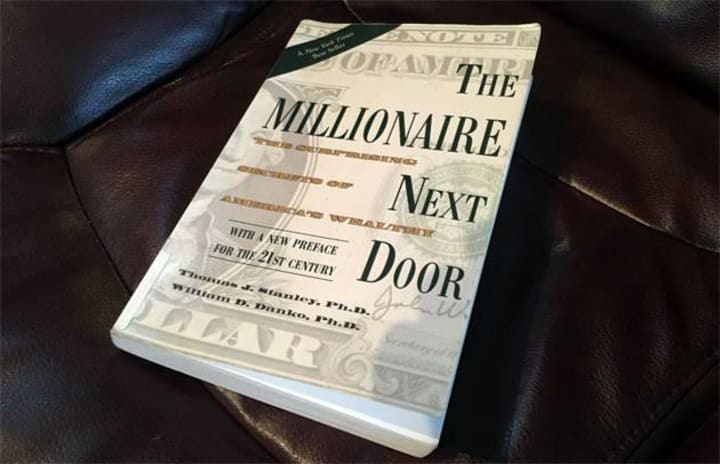
1. The Millionaire Next Door (1996)
Millionaire Next Door challenges the stereotype that wealth is synonymous with flashy lifestyles. Through extensive research, authors Thomas J. Stanley and William D. Danko reveal that most American millionaires live frugally, prioritize saving, and avoid ostentatious displays of wealth. The book profiles "Under-Accumulators of Wealth" (UAWs) and "Prodigious Accumulators of Wealth" (PAWs), emphasizing habits that lead to financial independence.
Key Points:
Live Below Your Means: Millionaires often avoid lavish spending, choosing modest homes and cars to accumulate wealth over time.
Financial Discipline: Saving a significant portion of income and investing wisely is crucial for building wealth, regardless of income level.
Avoid Economic Outpatient Care: Supporting adult children financially can hinder their independence and drain parental wealth.
Wealth is Not Income: High earners can be poor wealth accumulators if they spend excessively; wealth is built through consistent saving and investing.
Frugality Fuels Wealth: Adopting a frugal lifestyle, such as budgeting and avoiding debt, leads to long-term financial security.

Author Details:
Thomas J. Stanley (1944–2015) was a business theorist and researcher who focused on the affluent in America. He held a Ph.D. in business administration from the University of Georgia and authored several books on wealth, including Marketing to the Affluent. Stanley’s work was grounded in data-driven insights from surveys and interviews with millionaires.
William D. Danko is a professor emeritus at the University at Albany, SUNY, with expertise in consumer behavior and wealth accumulation. He collaborated with Stanley on their seminal research, bringing academic rigor to the study of millionaire habits.
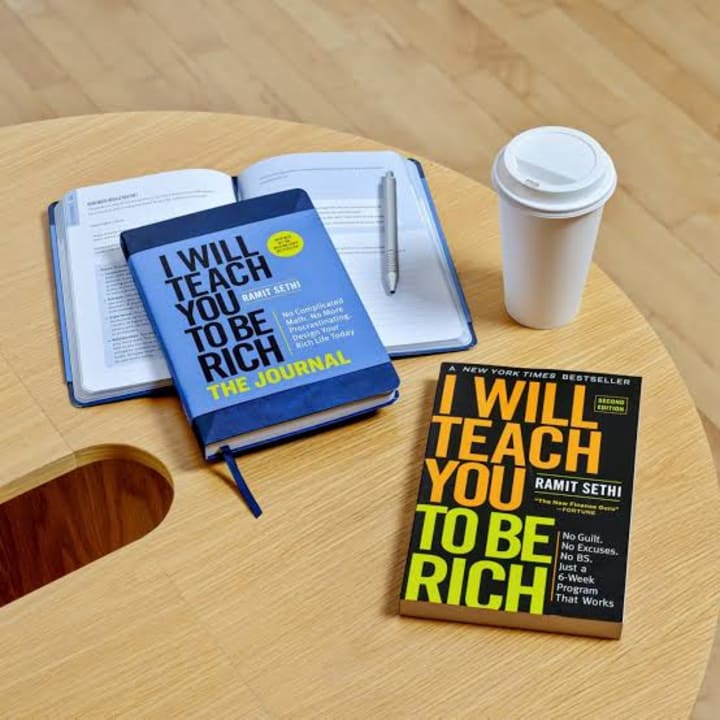
2. I Will Teach You to Be Rich (2009, Updated 2019)
Summary Ramit Sethi’s I Will Teach You to Be Rich is a practical, no-nonsense guide aimed at young adults seeking to manage their finances effectively. Structured as a six-week program, the book covers budgeting, saving, investing, and automating finances to achieve a “rich life” tailored to personal values. Sethi’s conversational tone and actionable advice make complex financial concepts accessible.
Key Points:
Automate Your Finances: Set up automatic transfers to savings, investments, and bills to reduce decision fatigue and ensure consistency.
Use Credit Cards Wisely: Maximize credit card rewards while paying off balances monthly to avoid debt.
Invest Early and Simply: Start investing in low-cost index funds to build wealth over time, leveraging compound interest.
Conscious Spending: Allocate money to what you love (e.g., travel, dining) while cutting back on low-priority expenses.
Define Your Rich Life: Focus on personal financial goals, such as travel or entrepreneurship, rather than generic benchmarks of wealth.
Author Details:
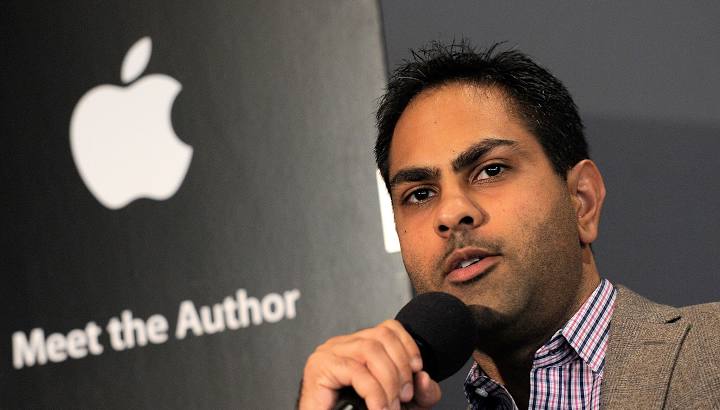
Ramit Sethi is a personal finance expert, entrepreneur, and founder of the website I Will Teach You to Be Rich. A Stanford University graduate, Sethi started his blog in 2004, offering practical financial advice to millennials. His direct, engaging style and focus on behavioral change have made him a popular figure in personal finance, with appearances on major media outlets like CNBC and PBS.
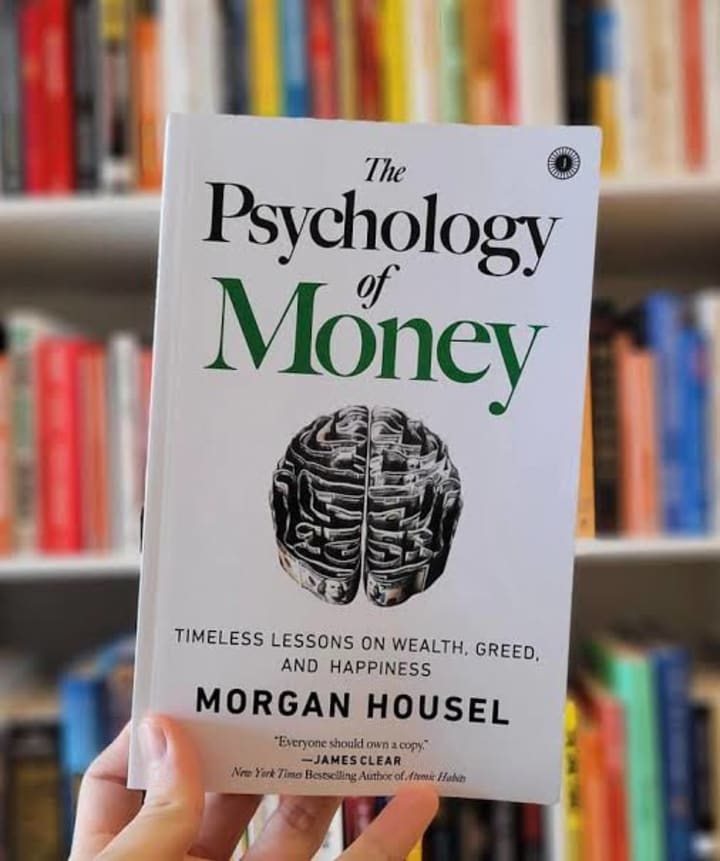
3. The Psychology of Money (2020)
Morgan Housel’s The Psychology of Money explores how emotions, biases, and behaviors shape financial decisions. Through 19 short stories, Housel illustrates timeless lessons about wealth, greed, and happiness. The book emphasizes that financial success depends more on behavior than technical knowledge, making it a compelling read for anyone seeking to understand money’s psychological impact.
Key Points:
Behavior Trumps Knowledge: Good financial decisions stem from humility, patience, and discipline, not just expertise.
The Power of Compounding: Small, consistent investments over time yield significant results due to compound interest.
Wealth is Invisible: True wealth is what you don’t spend; frugality and saving are more powerful than high earnings.
Expect Uncertainty: Financial planning should account for unpredictable events, as markets and life are inherently volatile.
Money and Happiness: Wealth is a tool for freedom and control over your time, not a guarantee of happiness.
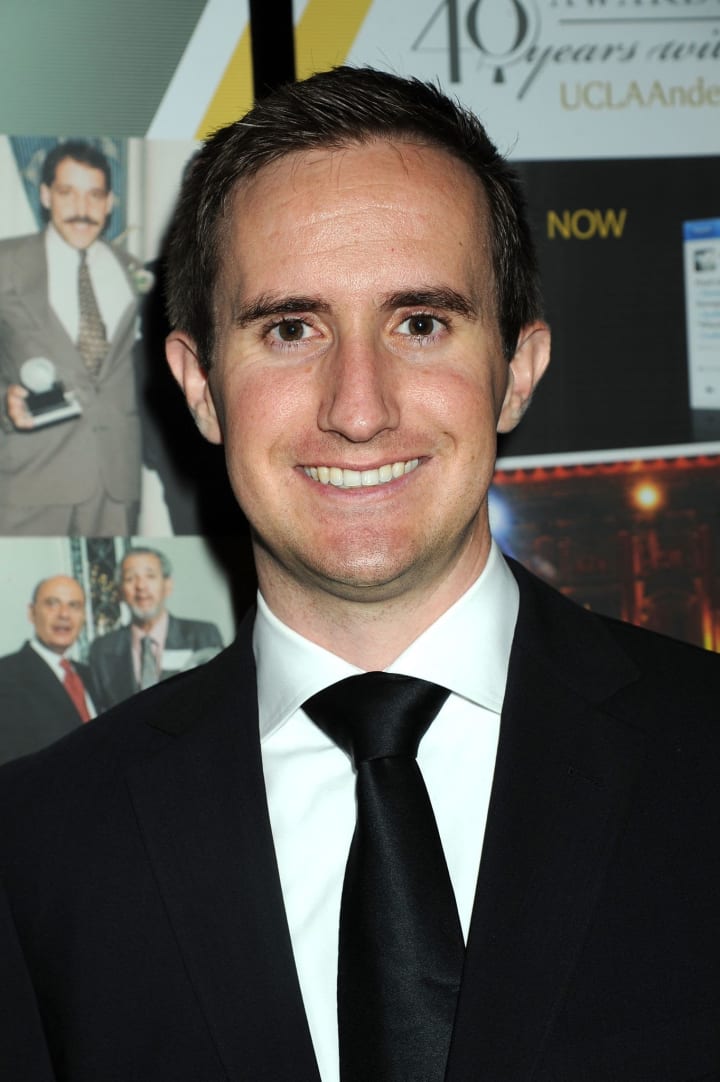
Author Details:
Morgan Housel is a financial journalist and former columnist for The Wall Street Journal and The Motley Fool. A partner at Collaborative Fund, Housel is known for his ability to distill complex financial concepts into engaging narratives. His work focuses on the intersection of psychology and finance, earning him widespread acclaim, including over 3,800 Amazon reviews averaging 4.8 stars for this book.
Why These Books?
These three books complement each other by addressing different facets of personal finance. The Millionaire Next Door provides a research-based look at wealth-building habits, ideal for those seeking a data-driven approach. I Will Teach You to Be Rich offers a practical, step-by-step plan for young adults to manage money effectively. The Psychology of Money delves into the behavioral and emotional aspects of finance, helping readers understand why they make certain financial choices. Together, they cover discipline, practical strategies, and mindset, making them essential reads for financial literacy.

About the Creator
Am@n Khan
I'm educational storyteller passionate about turning knowledge into engaging narratives.
I write about topics like science, history and life skills.
Contact
WhatsApp : +923336369634
Romance with a Twist (of the Knife)
Welcome to The Chapter Café, where every page is served with a drizzle of desire and a drop of blood. I’m your host, Kristen, and today we’re swirling roses and razor blades in a heady cocktail of passion and peril. Prepare to sip on secrets stained red and savor stolen glances that might end in a deadly twist.
By Kristen Barenthaler2 days ago in BookClub




Comments
There are no comments for this story
Be the first to respond and start the conversation.