
The Shadow of a Dream
In one of the city’s oldest neighborhoods lived a young man named Yassin. He did not own much—no spacious house, no wealth to speak

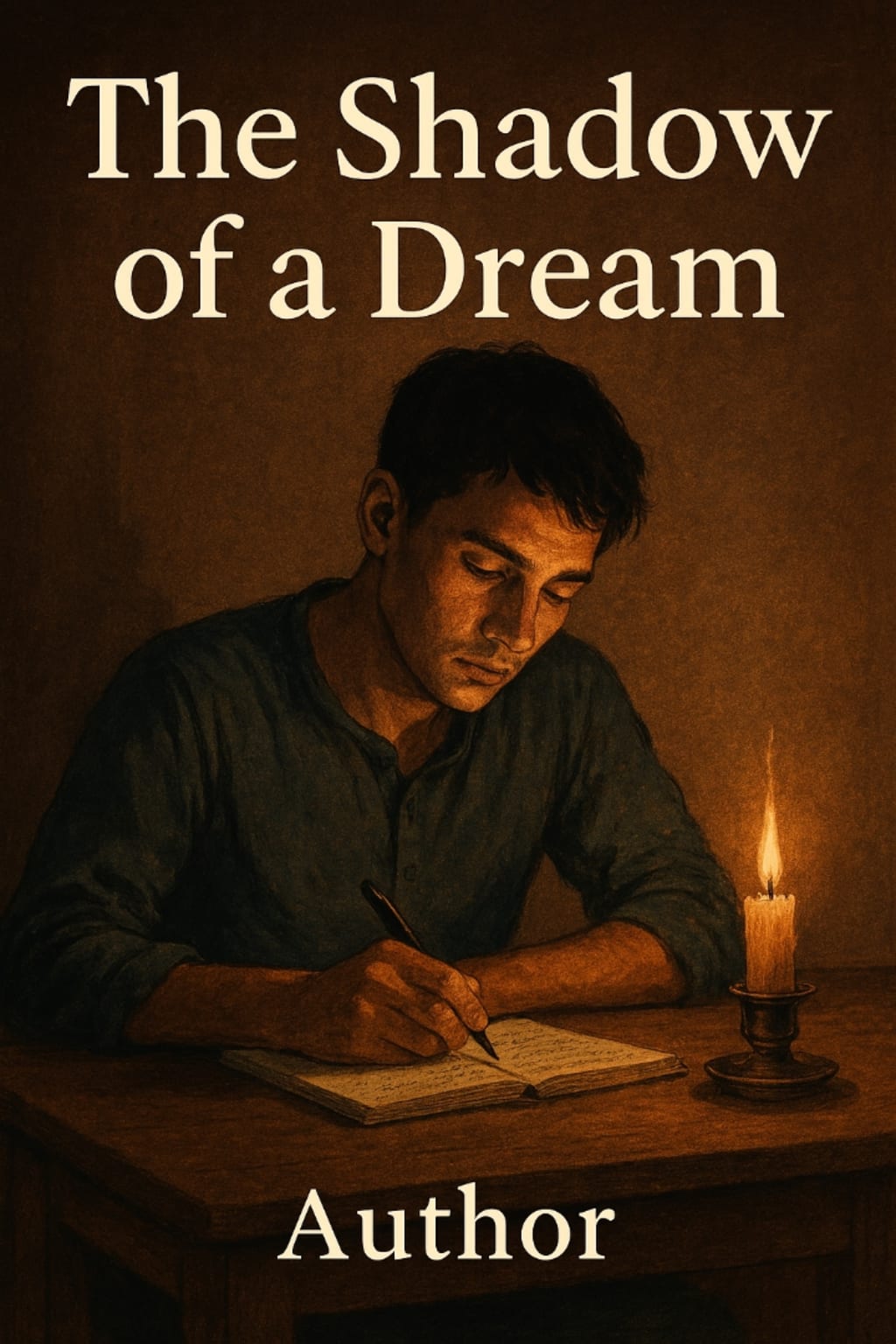
The Shadow of a Dream
In one of the city’s oldest neighborhoods lived a young man named Yassin. He did not own much—no spacious house, no wealth to speak of—but he carried something far more precious: a dream that refused to sleep. Yassin longed to become a writer, to fill the world with his words, and to leave behind an imprint that would outlast the narrow alleys where he had grown up.
Every morning, before the marketplace roared to life, Yassin would sit by a small window overlooking the street and begin to write. His notebook was filled with fragments—short reflections, unfinished stories, and lines that captured the tension between hope and fear. For him, words were not just ink on paper; they were a doorway to a wider world.
Life, however, was not gentle. His father worked as a street vendor, his mother cleaned houses to help pay the bills. They often reminded him, “Words don’t put food on the table, Yassin. Find real work.” He would smile quietly, hiding his notebook in an old wooden drawer, as if protecting a treasure no one else could understand.
One night, while writing about a child searching for freedom, the electricity in the neighborhood went out. Yassin lit a small candle and continued scribbling. The flickering flame seemed to breathe life into his sentences, as though the words themselves wanted to escape the page. He wrote until dawn, finally collapsing in exhaustion over his papers.
The next day, he made a bold decision. He uploaded one of his stories to the internet, choosing a platform called Vocal. The piece was titled The Shadow of a Dream. He expected nothing, but he felt as though he had taken his first step into the wider world. Days later, a notification appeared: his story was being read, commented on, and shared. Strangers from distant places wrote to him: “Your story feels like my own life,” and “Your words gave me hope.” For the first time, Yassin realized his dream was not an illusion—it was a seed beginning to grow.
As weeks passed, Yassin wrote more regularly, sharing his stories and receiving feedback from readers he had never met. He no longer felt trapped in a narrow alley; he had become part of a global community of dreamers and writers. His financial situation did not change overnight, but something deeper shifted inside him. He began to see himself not as a poor young man, but as a writer with a voice.
One evening, his father sat beside him and said, “I read your latest story. I didn’t understand everything, but I felt it came from your heart. Maybe I was wrong. Maybe words do feed the soul before they feed the body.” Yassin smiled, knowing he had won—not against poverty alone, but against doubt itself.
The story of Yassin is not finished. He continues to write, continues to dream. What he has learned is simple yet profound: a dream, no matter how fragile, can become a shadow that follows its owner everywhere, offering strength invisible to ot
One evening, his father sat beside him and said, “I read your latest story. I didn’t understand everything, but I felt it came from your heart. Maybe I was wrong. Maybe words do feed the soul before they feed the body.” Yassin smiled, knowing he had won—not against poverty alone, but against doubt itself.
his sentences, as though the words themselves wanted to escape the page. He wrote until dawn, finally collapsing in exhaustion over his papers. Life, however, was not gentle. His father worked as a street
About the Creator
Alhouci boumizzi
Iam a short story writer and screenwriter, passionate about crafting narratives and creating characters that stay with readers and audiences. I am always seeking innovative ways to tell ideas and transform them into impactful scripts
Keep reading
More stories from Alhouci boumizzi and writers in BookClub and other communities.
The Empty Chair: How Small Opportunities Turn into Great Success
The Empty Chair: How Small Opportunities Turn into Great Success In a quiet town, tucked between rolling hills and winding rivers, there was a small community hall where weekly gatherings took place. Every Thursday evening, people from all walks of life came together to share ideas, stories, and sometimes even dreams. At the center of the hall stood a long wooden table surrounded by chairs. One chair, however, always remained empty.
By Alhouci boumizzi23 days ago in BookClub
Rachel Reviews: Lakefront Wolves by Joseph Deegan
Meet Finn. He's an 18 year old kid who has potential. He's bright with great school scores and he's also an athlete, a footballer of some prowess. He has it all going for him, it would seem, and yet, he's determined to send what could be a well-planned, stable existence firmly off the rails. He drinks, he smokes, he takes drugs, he has violent tendencies and he's in danger of losing not only his mind but all that he holds dear.
By Rachel Deeming12 days ago in BookClub
7 Historical Romance Books You Must Read in 2026
Historical romance captivates readers by transporting them to eras filled with passion, intrigue, and societal constraints. These stories blend the allure of history with the timeless appeal of love, offering more than just escapism—they provide a window into past cultures, values, and human emotions.
By Diana Meresc6 days ago in BookClub
Early March 2026: 4 Goals Accomplished
It's early March and I've now accomplished my 4th writing goal for the year of 2026. Before diving into the behind-the-scenes of it... why not tell you up front what that accomplishment was? I was published in a 2nd publication for this year. Published in Helix Literary Magazine out of Central Connecticut State University. You can read it for free right now!
By Stephen Kramer Avitabile7 days ago in Writers



Comments
There are no comments for this story
Be the first to respond and start the conversation.