
The Psychological Memoir Writing Journey
Psychological Memoir
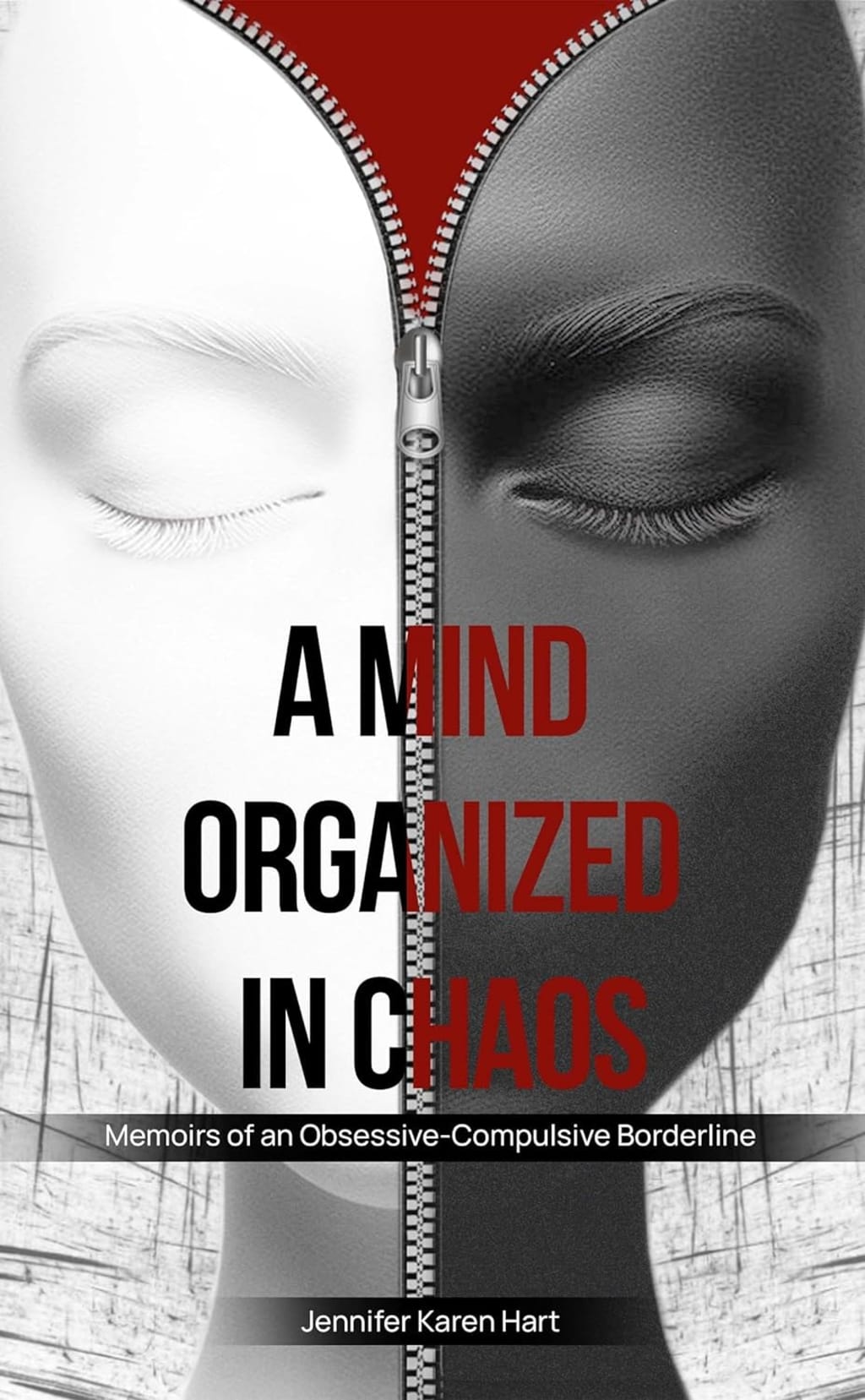
Going into psychological memoir goes beyond simply recalling past experiences; it entails a profound journey of self-discovery and development. As authors translate personal experiences into written narratives, they embark on a transformative journey, confronting their pasts, exploring their identities, and uncovering meaning in life's details. This blog delves into the psychological elements of memoir writing, analyzing how writers navigate memory, emotion, and self-reflection to craft narratives that resonate with readers.
Delving into Memory and Identity
Central to psychological memoir writing is the complex relationship between memory and identity. Writers carefully examine the pieces of their past, reconstructing important moments and pondering the subjective quality of memory. By revisiting key events and emotions, individuals reconstruct their personal histories and face the ever-changing nature of identity, understanding how experiences influence self-perception.
Dealing with Feelings and Openness
Writing a memoir involves facing intense emotions and weaknesses exploring moments of pain, loss, and transformation. Through unearthing buried emotions and expressing their deepest thoughts, writers process their experiences and welcome readers into their emotional worlds, nurturing empathy and connection.
Exploring the Depths of Existence and Finding Peace
More than just recounting events, writing memoirs is a search for significance and restoration. By reflecting and looking inward, authors analyze their past experiences, identify recurring themes, and reveal meaningful insights that bring understanding and resolution. By sharing their challenges and personal development stories, they motivate readers to seek comfort and optimism during difficult times.
Exploring Ethical and Moral Challenges
Writers face ethical and moral dilemmas as they balance between truth and storytelling. Striking a balance between being genuine and safeguarding privacy while also considering different viewpoints, writers grapple with issues of openness, responsibility, and maintaining the truthfulness of stories, aiming to acknowledge the richness of real-life encounters.
Embracing the Power of Storytelling
Ultimately, writing memoirs is a powerful way for authors to take control of their stories and share insights into the human experience. By bravely sharing their experiences, they validate their own realities and inspire others to face their pasts, accept their weaknesses, and recognize the impact of storytelling.
Conclusion
Writing a memoir provides a life-changing experience similar to the story in "A Mind Organized in Chaos." As the writer delve into their pasts and identities, readers are encouraged to navigate the intricacies of memory, emotion, and self-discovery.
We address intense emotions and vulnerabilities by engaging in psychological memoir writing fostering empathy and connection. It acts as a journey to discover purpose and restoration, giving writers and readers the strength to seek comfort amid life's challenges. Ultimately, writing memoirs showcases the strength of the human spirit and the impact of storytelling. As we reflect on our individual stories, we take control of our narratives and share our experiences. Let's keep drawing inspiration and strength from the stories we share.
About the Creator
Keep reading
More stories from Ellyn Emery and writers in BookClub and other communities.
Lessons from Community Leaders Revealing Hidden Histories
The complex web of history that each of our communities is bound to have is sometimes lost in the hustle and bustle of modern life. Dr. Jim Raugh ton's insightful book, "Hope for Newport," contains important insights from community leaders' experiences negotiating organizational transformation, historical reckonings, and resiliency.
By Ellyn Emery2 years ago in Writers
My New Book is Finally Here
My poetry collection Beautiful and Brutal Things is done. It's actually done and finally published over 270 pages. Over a year of my life went into this book. More than a year, really. Long days at my computer, sometimes seven days a week because I couldn't stop even when I probably should have. Then two months of editing that felt harder than the writing itself. But it's finished, and I'm still standing, and the book is real.
By Tim Carmichael5 days ago in BookClub
The 2025 Bibliophile Advent Calendar Special
There’s a moment every December when the world finally exhales. For me, it usually happens right after I pull out my favorite winter mug and I take that first deep breath of the season. The lights glow a little softer. The books on my shelves seem to lean toward me, waiting. And I remember why winter reading feels like a ritual.
By Kristen Barenthaler7 days ago in BookClub
How, Too
Many people wonder how, too. You are not alone, and I am an expert. I will teach you how, too! First, you need to remit a small application fee and fill out an application describing the nature of your financial situation and how often payments will be made, as this will have great bearing on how well I teach you how, too.
By Harper Lewis5 days ago in Fiction




Comments
There are no comments for this story
Be the first to respond and start the conversation.