
The Great Gatsby Summary and Review In 2024
Read the great gatsby summary and review, character, theme and many more

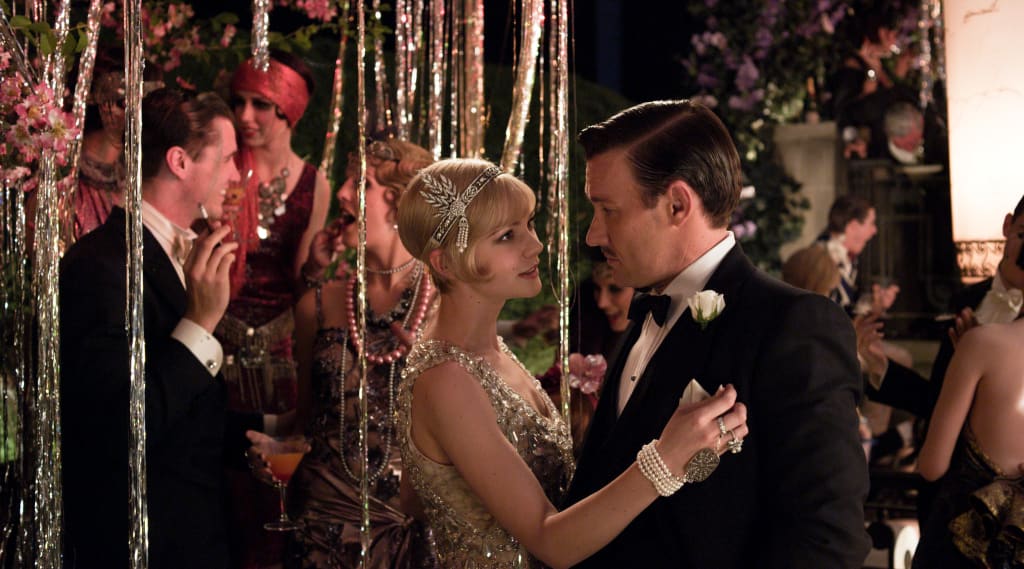
F. Scott Fitzgerald’s “The Great Gatsby” is often regarded as one of the greatest American novels of the 20th century. Set in the roaring 1920s, this classic tale explores themes of decadence, idealism, resistance to change, social upheaval, and excess. At its core, “The Great Gatsby” is a critical commentary on the American Dream, painting a vivid portrait of a society obsessed with wealth and status.
Summary of The Great Gatsby
The story is narrated by Nick Carraway, a Yale graduate and World War I veteran, who moves to Long Island’s North Shore to learn about the bond business. He rents a small house in the fictional village of West Egg, next to the grand mansion of Jay Gatsby, a mysterious and wealthy man known for his extravagant parties.
Nick is soon drawn into the world of Gatsby, who turns out to be in love with Nick’s cousin, Daisy Buchanan. Daisy is married to Tom Buchanan, a wealthy but arrogant man who has an affair with Myrtle Wilson, the wife of a mechanic. Despite his wealth and parties, Gatsby’s primary goal is to reunite with Daisy, with whom he had a romantic relationship before the war.
As the summer progresses, Gatsby and Daisy begin an affair. However, tensions rise, leading to a confrontation between Gatsby and Tom. Tom reveals that Gatsby’s wealth comes from illegal activities, shaking Daisy’s resolve. Tragedy strikes when Daisy accidentally kills Myrtle with Gatsby’s car, and Gatsby takes the blame. In the aftermath, Myrtle’s husband, George, kills Gatsby before taking his own life.
The novel ends with Nick reflecting on the American Dream’s disintegration and Gatsby’s unwavering hope. Disillusioned by the East Coast lifestyle and its moral decay, Nick returns to the Midwest.
Review of The Great Gatsby
**1. Characters and Development: Fitzgerald masterfully develops his characters, making them complex and multi-dimensional. Jay Gatsby is particularly compelling, embodying the American Dream’s allure and ultimate emptiness. Nick Carraway, as the narrator, provides a balanced perspective, offering insight into Gatsby’s world while maintaining his own moral compass. Daisy Buchanan represents both the beauty and the corruption of wealth, trapped in her own shallow desires.
**2. Themes: “The Great Gatsby” explores significant themes such as the American Dream, love and desire, social class, and the passage of time. Fitzgerald critiques the idea that wealth and material success lead to happiness, showcasing the disillusionment that often accompanies the pursuit of these goals. The novel also delves into the complexities of love and the destructive nature of obsessive desire.
**3. Writing Style: Fitzgerald’s lyrical prose and vivid imagery are standout features of the novel. His writing is both poetic and precise, capturing the essence of the 1920s with rich descriptions and symbolic elements. The use of symbolism, such as the green light at the end of Daisy’s dock and the eyes of Dr. T.J. Eckleburg, adds depth to the narrative, encouraging readers to ponder deeper meanings.
**4. Historical Context: The novel is a poignant reflection of the Jazz Age, a period marked by economic prosperity, cultural change, and moral ambiguity. Fitzgerald’s portrayal of the 1920s captures the era’s spirit, making “The Great Gatsby” not only a timeless story but also a historical document that offers insight into a pivotal moment in American history.
What is The Great Gatsby About?
"The Great Gatsby," written by F. Scott Fitzgerald, is a novel set in the Jazz Age on Long Island near New York City. The story revolves around the mysterious millionaire Jay Gatsby and his obsessive pursuit of Daisy Buchanan, a wealthy young woman he loved in his youth. The novel explores themes of decadence, idealism, resistance to change, social upheaval, and excess, creating a portrait of the American Dream in the 1920s.
The Great Gatsby Broadway
The Great Gatsby has been adapted into various formats, including stage productions. The Broadway adaptation captures the essence of Fitzgerald’s novel with its elaborate set designs, costumes, and performances that bring the Roaring Twenties to life. The musical and theatrical versions delve into the opulence and drama of the story, providing audiences with a vivid and immersive experience.
The Great Gatsby Characters
Jay Gatsby: The enigmatic and wealthy protagonist, known for his lavish parties and unrequited love for Daisy Buchanan.
Nick Carraway: The novel's narrator, a Yale graduate, and Daisy’s cousin who rents a house next to Gatsby’s mansion.
Daisy Buchanan: A beautiful and shallow young woman, Gatsby’s love interest, and Tom Buchanan’s wife.
Tom Buchanan: Daisy’s wealthy, arrogant, and aggressive husband who has an affair with Myrtle Wilson.
Jordan Baker: A professional golfer and Daisy’s friend, who becomes romantically involved with Nick.
Myrtle Wilson: Tom’s mistress, who is unhappy in her marriage to George Wilson, a struggling garage owner.
What Does the Green Light Symbolize in The Great Gatsby?
The green light at the end of Daisy's dock is one of the most significant symbols in "The Great Gatsby." It represents Gatsby’s hopes and dreams for the future, particularly his desire to be reunited with Daisy. The light symbolizes the elusive nature of the American Dream and the perpetual quest for happiness and fulfillment, which ultimately remains out of reach.
Themes in The Great Gatsby
The American Dream: The novel critiques the idea of the American Dream, showing how it has become corrupted by wealth and materialism.
Class and Social Status: Fitzgerald explores the distinctions between old money, new money, and no money, and how these affect the characters' lives and interactions.
Love and Desire: The novel delves into various forms of love and desire, particularly Gatsby’s obsessive love for Daisy, which drives much of the plot.
Moral Decay: Despite the glamorous setting, the novel reveals the moral decay and superficiality beneath the surface of the characters' lives.
FAQs
1. Why is The Great Gatsby considered a classic?
The Great Gatsby is considered a classic because it offers a timeless exploration of themes such as the American Dream, social stratification, and unrequited love. Its rich symbolism, complex characters, and Fitzgerald's exquisite prose contribute to its enduring legacy in American literature.
2. What inspired F. Scott Fitzgerald to write The Great Gatsby?
F. Scott Fitzgerald was inspired by his own experiences and observations of the Jazz Age. His encounters with the opulent lifestyles of the wealthy, as well as his own aspirations and disappointments, deeply influenced the themes and characters in the novel.
3. How does The Great Gatsby reflect the 1920s American society?
The Great Gatsby reflects the 1920s American society by depicting the decadence, excess, and moral ambiguity of the era. The novel captures the spirit of the Roaring Twenties, a time of economic prosperity, social change, and cultural upheaval, highlighting both the allure and the pitfalls of this transformative decade.
Conclusion
“The Great Gatsby” remains a literary masterpiece that continues to captivate readers with its exploration of the American Dream and its richly drawn characters. F. Scott Fitzgerald’s keen observations and evocative writing make this novel a must-read for anyone interested in American literature and the human condition. Whether you’re reading it for the first time or revisiting its pages, “The Great Gatsby” offers a profound and enduring commentary on the pursuit of happiness and the cost of idealism.
About the Creator
Emily Clark
Emily Clark is a seasoned finance expert and loan adviser with over 15 years of experience in the financial services industry. Specializing in personal and business loans
Keep reading
More stories from Emily Clark and writers in BookClub and other communities.
To Kill A Mockingbird Summary And Review In 2024
"To Kill a Mockingbird" is a novel by Harper Lee published in 1960. The story is set in the 1930s in the fictional town of Maycomb, Alabama, and is narrated by Scout Finch, a young girl. The novel explores themes of racial injustice, moral growth, and the innocence of childhood.
By Emily Clark2 years ago in BookClub
My New Book is Finally Here
My poetry collection Beautiful and Brutal Things is done. It's actually done and finally published over 270 pages. Over a year of my life went into this book. More than a year, really. Long days at my computer, sometimes seven days a week because I couldn't stop even when I probably should have. Then two months of editing that felt harder than the writing itself. But it's finished, and I'm still standing, and the book is real.
By Tim Carmichaela day ago in BookClub
7 Books To Keep Your Faith When Everything Falls Apart
Life is unpredictable. One moment, everything seems secure, and the next, circumstances can shift dramatically, leaving us questioning our purpose, hope, and faith. During these moments of uncertainty and struggle, turning to books that nurture faith can provide clarity, comfort, and resilience. The right book can serve as a lifeline, offering wisdom, practical guidance, and spiritual encouragement to navigate the storms of life.
By Diana Meresc5 days ago in BookClub




Comments
There are no comments for this story
Be the first to respond and start the conversation.