
To Kill A Mockingbird Summary And Review In 2024
checkout the complete summary and review of this book to kill a mockingbird summary.

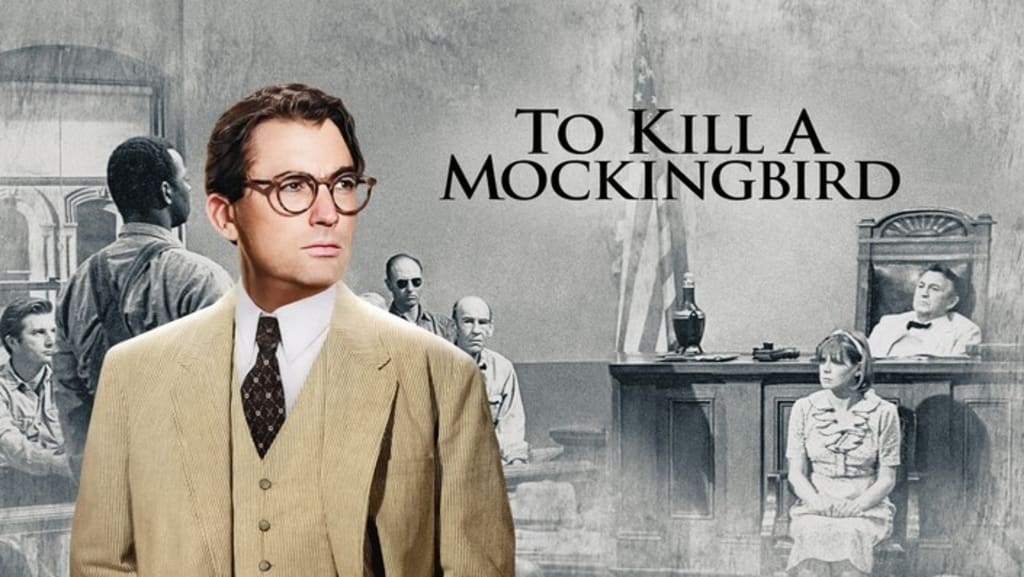
"To Kill a Mockingbird" is a novel by Harper Lee published in 1960. The story is set in the 1930s in the fictional town of Maycomb, Alabama, and is narrated by Scout Finch, a young girl. The novel explores themes of racial injustice, moral growth, and the innocence of childhood.
To Kill a Mockingbird Plot Overview:
Scout Finch lives with her older brother, Jem, and their widowed father, Atticus Finch, a well-respected lawyer. They are cared for by Calpurnia, their African American housekeeper.
Scout and Jem befriend a boy named Dill, who visits Maycomb every summer to stay with his aunt. The children are fascinated by their mysterious neighbor, Boo Radley, and often imagine wild stories about him.
The main plot centers around Atticus Finch defending a black man, Tom Robinson, who has been falsely accused of raping a white woman, Mayella Ewell. Despite clear evidence of Tom's innocence, the racial prejudices of the town lead to his conviction. The trial and its aftermath expose the deep-seated racism and injustice in Maycomb.
Meanwhile, Scout and Jem grapple with their own understanding of morality and justice. They witness their father's unwavering commitment to doing what is right, despite societal pressures. Boo Radley also emerges as a key figure, revealing himself as a misunderstood and compassionate person who ultimately saves Scout and Jem from an attack by Bob Ewell, Mayella's vengeful father.
To Kill a Mockingbird Themes:
Racial Injustice: The novel vividly portrays the systemic racism of the American South in the 1930s. Tom Robinson's trial serves as a poignant example of how deeply ingrained racial prejudices can lead to gross miscarriages of justice.
Moral Growth: Scout and Jem's journey from innocence to a more mature understanding of their world is central to the story. They learn about empathy, courage, and the complexities of human nature through their experiences and their father's guidance.
The Coexistence of Good and Evil: The novel illustrates that good and evil coexist in the world. Characters like Atticus Finch embody goodness and moral integrity, while others like Bob Ewell represent malice and ignorance.
The Mockingbird Symbol: The title symbolizes innocence and the idea that harming innocent and good-hearted people is wrong. Tom Robinson and Boo Radley are likened to mockingbirds—harmless individuals who bring only good to others but suffer from the cruelty of society.
Review of "To Kill a Mockingbird"
"To Kill a Mockingbird" is a profound and impactful novel that addresses serious social issues through the lens of a child's perspective. Harper Lee's masterful storytelling and rich character development make this book a timeless classic.
Strengths:
- Characterization: The characters are vividly drawn and complex. Scout's narration provides a unique and authentic voice, capturing the innocence and curiosity of childhood. Atticus Finch stands out as a moral beacon, demonstrating integrity and compassion in the face of adversity.
- Themes: The novel tackles significant themes such as racial injustice, moral growth, and the coexistence of good and evil. These themes are skillfully woven into the narrative, prompting readers to reflect on their own beliefs and prejudices.
- Writing Style: Harper Lee's writing is both accessible and eloquent. She captures the Southern setting with rich descriptions and brings the town of Maycomb to life. The dialogue is authentic and adds depth to the characters and their interactions.
- Social Commentary: The book provides a critical commentary on the social issues of its time, many of which remain relevant today. It challenges readers to confront uncomfortable truths about racism and moral courage.
Criticisms:
- Pacing: Some readers may find the pacing slow, particularly in the first half of the book. The detailed descriptions of daily life in Maycomb can seem leisurely compared to the more dramatic courtroom scenes.
- Simplicity in Moral Outlook: While the novel's moral clarity is one of its strengths, some critics argue that it presents a somewhat simplistic view of good and evil. Atticus Finch's almost saintly character contrasts sharply with the outright villainy of Bob Ewell, which can feel somewhat black-and-white.
Conclusion:
"To Kill a Mockingbird" remains an essential read for its powerful exploration of human morality and social justice. It offers a poignant critique of racial prejudice and challenges readers to empathize with others and stand up for what is right.
Harper Lee's novel continues to resonate with audiences, making it a staple in American literature and a profound educational tool for discussing critical social issues.
About the Creator
Emily Clark
Emily Clark is a seasoned finance expert and loan adviser with over 15 years of experience in the financial services industry. Specializing in personal and business loans
Keep reading
More stories from Emily Clark and writers in BookClub and other communities.
Where the Crawdads Sing Review and Summary
"Where the Crawdads Sing," a phenomenal novel by Delia Owens, has captured the hearts of readers and critics alike. This captivating story intertwines elements of mystery, romance, and a deep appreciation for nature, set against the backdrop of the marshlands in North Carolina.
By Emily Clark2 years ago in BookClub
7 Contemporary Romance Books Everyone Should Read In 2026
Love is timeless, but the stories we tell about it evolve with the world around us. Contemporary romance captures the pulse of modern relationships, blending passion, humor, and emotional depth with the realities of our everyday lives. Unlike classic romance, contemporary tales often tackle themes like career challenges, cultural differences, mental health, and personal growth—making them both relatable and inspiring. In a world where connection is increasingly digital, these books remind us of the beauty of vulnerability, the excitement of chemistry, and the transformative power of love.
By Diana Meresc6 days ago in BookClub




Comments
There are no comments for this story
Be the first to respond and start the conversation.