
The 48 Laws of Power vs The Prince: A Timeless Comparison of Power and Strategy
Comparing The Prince and The 48 Laws of Power for Modern Readers

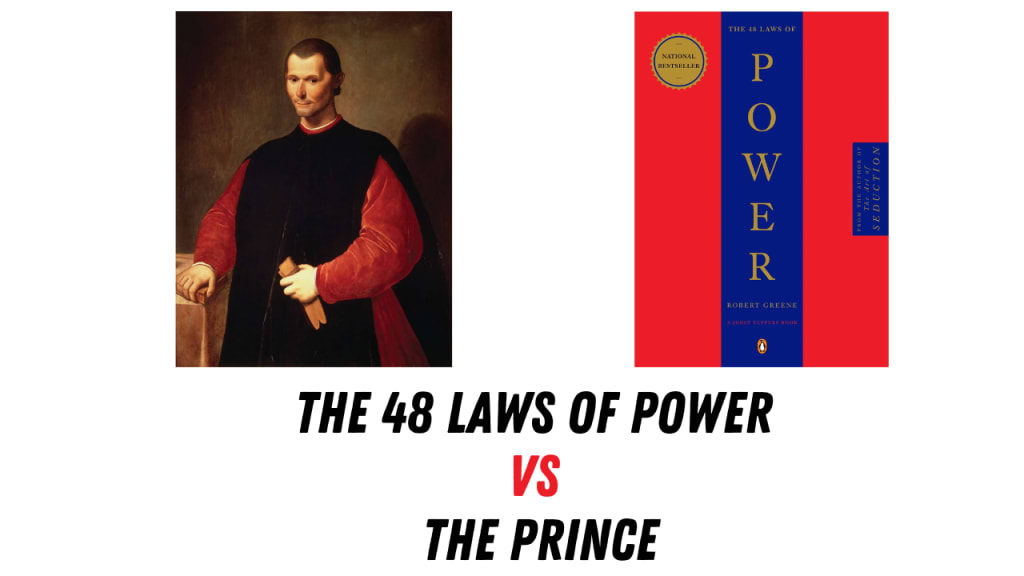
When discussing books on power, influence, and political strategy, two titles dominate the conversation: The 48 Laws of Power by Robert Greene and The Prince by Niccolò Machiavelli. Though written centuries apart, both texts offer compelling insights into how power is gained, maintained, and lost. This article explores the similarities and differences between these two iconic works and examines how their ideas remain relevant in today’s world.
Overview of The 48 Laws of Power
Published in 1998, The 48 Laws of Power is a modern manual for those seeking to understand and navigate complex social dynamics. Robert Greene distills 3,000 years of historical examples—from Sun Tzu to Louis XIV—into 48 concise laws designed to help individuals wield power effectively. Each law is accompanied by stories, quotes, and historical anecdotes, making the book engaging and informative.
Some of the most notable laws include:
- Law 1: Never Outshine the Master
- Law 3: Conceal Your Intentions
- Law 15: Crush Your Enemy Totally
- Law 33: Discover Each Man’s Thumbscrew
Greene’s tone is unapologetically realistic, often bordering on cynical, reflecting the darker aspects of human behavior and political ambition.
Overview of The Prince
Written in 1513 and published posthumously in 1532, The Prince is a political treatise by Italian diplomat and philosopher Niccolò Machiavelli. Intended as a guide for rulers, the book presents strategies for maintaining political power, managing subjects, and dealing with enemies. The term "Machiavellian" itself stems from this work, signifying cunning, deceit, and realpolitik.
Key themes in The Prince include:
- The importance of appearing virtuous while being pragmatic
- The need to be feared rather than loved (if one cannot be both)
- The role of fortune and virtue in a leader’s success
- The justification of immoral actions in service of the state
Machiavelli’s work was revolutionary in that it separated politics from morality, advocating for a pragmatic and at times ruthless approach to leadership.
Similarities Between The 48 Laws of Power and The Prince

1. Realistic View of Human Nature
Both books reject idealistic views of people. Greene and Machiavelli argue that individuals are often selfish, envious, and driven by power. Rather than denying this, they advise readers to understand and use it to their advantage.
In The Prince, Machiavelli writes, “Men are ungrateful, fickle, false, cowardly, covetous.” Similarly, Greene emphasizes that trusting too much, showing too much emotion, or revealing one’s plans can be dangerous.
2. Power as the Central Theme
Power is the core subject of both books. Whether it’s the power of a Renaissance prince ruling a city-state or a modern executive climbing the corporate ladder, both authors provide tools for achieving and securing power. They emphasize strategy over ethics, often blurring the line between manipulation and leadership.
3. The Role of Deception and Manipulation
Machiavelli advises rulers to appear moral while acting immorally when necessary. Greene builds on this idea with laws like “Play a Sucker to Catch a Sucker” or “Pose as a Friend, Work as a Spy.” In both cases, deception is not only acceptable—it’s often essential.
4. Use of Historical Examples
Both texts are rich with historical references. Greene draws from Chinese generals, European kings, and American tycoons. Machiavelli cites Roman emperors, Greek leaders, and contemporary Italian politics. This historical grounding gives their theories credibility and context.
Differences Between The 48 Laws of Power and The Prince

1. Audience and Tone
Machiavelli wrote The Prince for political leaders, specifically hoping to win favor with the Medici family. His tone is scholarly and formal. Greene, on the other hand, writes for a broader audience—entrepreneurs, artists, executives, and even celebrities—using a direct and engaging style.
2. Structure and Style
The Prince is a continuous treatise with chapters that build on one another. The 48 Laws of Power is divided into standalone laws, each with its own story, reversal, and interpretation. This makes Greene’s book more accessible and easier to skim or reference.
3. Ethical Framing
Machiavelli does not shy away from endorsing cruelty if it secures the state. Greene often presents his laws with a neutral tone but acknowledges the controversial nature of his advice. He presents both the utility and the potential dangers of each law, leaving it to the reader to decide how to apply them.
4. Contextual Focus
The Prince is rooted in the political chaos of Renaissance Italy—a time of shifting alliances and warring states. The 48 Laws of Power takes a more timeless and universal approach, applicable to any social or professional hierarchy.
Relevance in the Modern World
Both books continue to be widely read, especially among those interested in politics, business, and personal development. In the age of social media, personal branding, and competitive job markets, the principles of power and influence are more applicable than ever.
Machiavelli’s insights can be seen in the actions of world leaders who balance diplomacy with ruthless efficiency. Greene’s laws are used by CEOs, influencers, and creatives navigating the complexities of modern life.
For example:
- Politicians may apply Law 6: “Court Attention at All Costs” by leveraging the media to stay in the public eye.
- Entrepreneurs might use Law 1: “Never Outshine the Master” to maintain harmony with their investors or mentors.
Corporate managers may echo Machiavelli by fostering a strong public image while making tough, unpopular decisions behind the scenes.
Criticisms of Both Works
Despite their popularity, both books face criticism.
Machiavelli has been accused of promoting tyranny and amorality. Critics argue that his advice can justify unethical behavior under the guise of pragmatism.
Greene’s book is often labeled manipulative, dangerous, and Machiavellian itself. Some argue that it encourages toxic workplace behavior, while others praise it as brutally honest about human nature.
The key lies in how these lessons are interpreted. Used responsibly, both works can enhance awareness and strategic thinking. Misused, they can contribute to exploitation and conflict.
Check out More: Top 10 Benefits of Reading The 48 Laws of Power
Conclusion: Which Is More Useful?
Choosing between The 48 Laws of Power and The Prince depends on your goals.
If you want a deep, foundational understanding of political strategy and leadership, The Prince offers timeless wisdom.
If you're looking for practical, bite-sized advice on navigating social and professional life, The 48 Laws of Power is more applicable.
Ultimately, both books offer valuable lessons about power, influence, and human behavior. Reading them together provides a broader perspective: The Prince for philosophical grounding, and The 48 Laws of Power for real-world application. Whether you’re leading a nation or managing a team, these works remind us that power is a game—and understanding the rules is half the battle.
About the Creator
pestosol
Hi.
I am Hmimda 30 years old From Algeria. I am a blogger. I like to share articles about decoration and designs
My New Book is Finally Here
My poetry collection Beautiful and Brutal Things is done. It's actually done and finally published over 270 pages. Over a year of my life went into this book. More than a year, really. Long days at my computer, sometimes seven days a week because I couldn't stop even when I probably should have. Then two months of editing that felt harder than the writing itself. But it's finished, and I'm still standing, and the book is real.
By Tim Carmichael2 days ago in BookClub
The Deal & the Art of the Fake Date
Welcome back to The Chapter Café, where stories are always on the menu and comfort is served by the chapter. I’m your host, Kristen, and today we’re serving up a spicy, slow-burn romance with a side of banter, brainy girls, and hockey boys. On today’s menu? The Deal by Elle Kennedy—a book that proves sometimes the best relationships start with a little pretending.
By Kristen Barenthaler4 days ago in BookClub
Ludacris and Nelly draw backlash over bookings at MAGA-coded music festival
Ludacris and Nelly headlining a mostly right-wing event is good for them. It’s also great for the genre of hip hop. The two rap veterans have showcased their talents on other stages. Why can’t they perform for mostly MAGA folks and grab that bag?
By Skyler Saunders4 days ago in Beat



Comments
There are no comments for this story
Be the first to respond and start the conversation.