
Summary: Wolf Hall by Hilary Mantel
Wolf Hall by Hilary Mantel is a historical novel that offers a riveting account of the life of Thomas Cromwell, one of the most influential figures in the court of King Henry VIII of England.

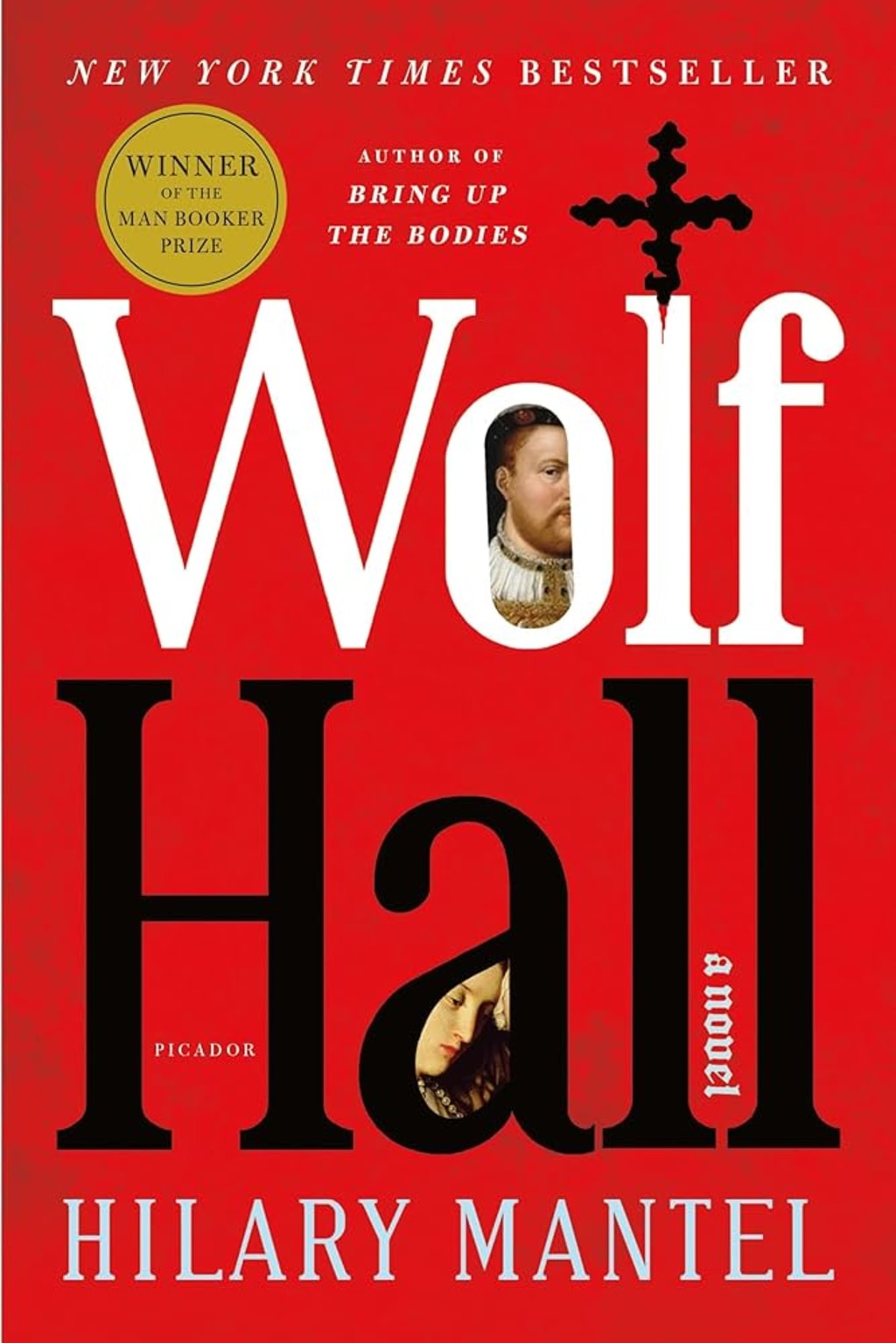
Get Your Free Book Wolf Hall Here:
Wolf Hall by Hilary Mantel
Wolf Hall by Hilary Mantel is a historical novel that offers a riveting account of the life of Thomas Cromwell, one of the most influential figures in the court of King Henry VIII of England. Published in 2009, this novel won the Man Booker Prize and is the first in a trilogy that explores Cromwell’s rise to power, his relationship with the king, and his role in the tumultuous events that reshaped England during the 16th century.
Set against the backdrop of the English Reformation and Henry VIII’s desperate quest for a male heir, Wolf Hall delves into the intricate politics, personal rivalries, and religious upheaval of the period. Mantel’s portrayal of Cromwell is nuanced and complex, presenting him not just as a shrewd and ruthless politician but also as a man shaped by his past, driven by his ambitions, and haunted by the ghosts of his losses.
In this summary, we’ll explore the key aspects of Wolf Hall, breaking down its plot, examining the development of its characters, analyzing its major themes, and appreciating Hilary Mantel’s distinctive writing style. Whether you’re revisiting this remarkable novel or encountering it for the first time, this summary will provide a comprehensive overview of why Wolf Hall is considered a modern masterpiece in historical fiction.
Get Your Free Book Wolf Hall Here:
Power, Ambition, and Survival
Wolf Hall centers on Thomas Cromwell’s life, tracing his rise from humble beginnings as the son of a blacksmith to becoming one of the most powerful men in England. The novel begins in the 1520s, with Cromwell already established as a lawyer and close advisor to Cardinal Thomas Wolsey, the Lord Chancellor. However, when Wolsey falls from the king’s favor after failing to secure an annulment of Henry VIII’s marriage to Catherine of Aragon, Cromwell finds himself navigating a perilous political landscape.
Cromwell’s keen intellect, legal expertise, and adaptability allow him to survive Wolsey’s downfall and eventually secure a place in Henry’s inner circle. As Henry’s chief minister, Cromwell plays a pivotal role in the king’s efforts to annul his marriage to Catherine and marry Anne Boleyn, a move that leads to England’s break with the Roman Catholic Church and the establishment of the Church of England.
Throughout the novel, Cromwell’s personal and professional lives are intricately intertwined. He is portrayed as a man deeply affected by the loss of his wife and daughters to illness, yet he remains fiercely loyal to his surviving family and dedicated to advancing their fortunes. His complex relationships with key figures of the time—such as Anne Boleyn, Sir Thomas More, and Archbishop Thomas Cranmer—are central to the story, revealing the delicate balance of power, ambition, and survival in the Tudor court.
As the narrative unfolds, Cromwell’s rise is marked by both triumph and tragedy. His involvement in Anne Boleyn’s downfall and the execution of Sir Thomas More are turning points in his career, highlighting the ruthless pragmatism that defines his character. Yet, Mantel also shows Cromwell’s softer side—his love for his children, his loyalty to his friends, and his memories of his mentor, Cardinal Wolsey.
The novel’s plot is a masterful blend of historical events and fictionalized inner lives, with Mantel weaving together the personal and political to create a richly textured narrative. Wolf Hall ends on the brink of Cromwell’s greatest triumph, setting the stage for the next phase of his life, which is explored in the sequel, Bring Up the Bodies.
Get Your Free Book Wolf Hall Here:
The Many Faces of Thomas Cromwell
Thomas Cromwell is the central figure of Wolf Hall, and Hilary Mantel’s portrayal of him is one of the novel’s most remarkable achievements. Unlike traditional depictions of Cromwell as a villainous figure, Mantel presents him as a multifaceted character—cunning, pragmatic, and ambitious, yet also deeply human, with vulnerabilities and emotions that make him relatable and compelling.
Cromwell’s character is shaped by his early experiences, including his harsh upbringing, his time spent as a mercenary in Europe, and his education in law and trade. These experiences make him a man of many talents—skilled in languages, finance, and diplomacy—and give him a unique perspective on the world. He is a man who understands power and how to wield it, but he is also acutely aware of its dangers.
Throughout the novel, Cromwell’s interactions with other characters reveal different aspects of his personality. His relationship with his family, particularly his son Gregory and his nephew Richard, shows his softer, more caring side. He is a loving father who wants the best for his children and works tirelessly to secure their futures. His loyalty to Cardinal Wolsey, even after Wolsey’s fall, demonstrates his capacity for loyalty and his sense of honor.
However, Cromwell is also a master strategist, capable of making difficult decisions to protect his interests and those of his king. His dealings with Anne Boleyn, Thomas More, and other court figures showcase his ability to navigate the treacherous waters of Tudor politics. He is pragmatic to the core, willing to do whatever it takes to survive and thrive in a world where power is constantly shifting, and betrayal is always a possibility.
Mantel also explores Cromwell’s inner life, delving into his thoughts, memories, and emotions. The novel’s narrative style, which closely follows Cromwell’s perspective, allows readers to see the world through his eyes and understand his motivations. This intimate portrayal makes Cromwell a sympathetic character, even when he is involved in morally questionable actions.
The supporting characters in Wolf Hall are also richly drawn, each contributing to the novel’s exploration of power, loyalty, and ambition. Anne Boleyn is depicted as a complex figure—ambitious, intelligent, and determined, yet also vulnerable and ultimately tragic. Sir Thomas More, often idealized in history, is portrayed as a rigid and somewhat fanatical figure, whose moral certainties clash with Cromwell’s more flexible approach.
Through these characters, Mantel paints a vivid picture of the Tudor court, a world where personal ambition and political intrigue are intertwined, and where survival often depends on one’s ability to adapt to rapidly changing circumstances.
Get Your Free Book Wolf Hall Here:
Power, Religion, and the Nature of Change
Wolf Hall is rich with themes that explore the nature of power, the role of religion in society, and the inevitability of change. These themes are woven throughout the novel, adding depth and complexity to the story and reflecting the turbulent times in which it is set.
One of the central themes of Wolf Hall is the nature of power and how it is wielded. Cromwell’s rise to power is a testament to his intelligence, adaptability, and understanding of the political landscape. Mantel explores the ways in which power is gained, maintained, and lost, showing how Cromwell navigates the dangerous waters of the Tudor court, where alliances shift quickly, and loyalty is often a matter of convenience.
The theme of religion is also central to the novel, reflecting the profound religious changes taking place in England during Henry VIII’s reign. The break with the Roman Catholic Church and the establishment of the Church of England are key events in the story, and Mantel examines how these changes affect the lives of the characters. Cromwell, a supporter of the Reformation, is deeply involved in the religious transformations of the time, but Mantel also shows the personal toll these changes take on individuals, particularly those who remain loyal to the old faith.
Change is another major theme in Wolf Hall, both on a personal and societal level. The novel is set during a time of great upheaval in England, with the old order being challenged and new ideas taking root. Cromwell himself is a symbol of change—a man who rises from humble beginnings to become one of the most powerful figures in the country. Mantel explores how characters respond to change, whether by embracing it, resisting it, or attempting to manipulate it for their own ends.
Through these themes, Wolf Hall offers a nuanced exploration of the complexities of power, religion, and change, providing insights into both the historical period and the timeless nature of human ambition and resilience.
Get Your Free Book Wolf Hall Here:
A Vivid and Immersive Narrative
Hilary Mantel’s writing style in Wolf Hall is one of the novel’s most distinctive features, characterized by its vivid descriptions, immersive narrative, and innovative use of perspective. Mantel’s prose brings the world of the Tudor court to life in rich detail, making the historical period feel immediate and real.
One of the most notable aspects of Mantel’s style is her use of a close third-person narrative, which closely follows Thomas Cromwell’s thoughts and experiences. This narrative technique allows readers to see the world through Cromwell’s eyes, providing a deep and intimate understanding of his character. Mantel often uses the pronoun “he” to refer to Cromwell, creating a sense of immediacy and closeness that draws readers into his inner world.
Mantel’s descriptions of the Tudor court are richly detailed, capturing the sights, sounds, and smells of the period. The novel’s settings, from the opulent palaces of the nobility to the bustling streets of London, are vividly rendered, creating a sense of place that is both atmospheric and historically accurate. Mantel’s attention to detail extends to the characters’ clothing, food, and daily routines, further immersing readers in the world of the 16th century.
The dialogue in Wolf Hall is another standout feature, with Mantel capturing the wit, formality, and underlying tensions of the period. The characters’ conversations reveal their personalities, motivations, and relationships, often through what is left unsaid as much as through the words themselves. Mantel’s use of language reflects the time period while remaining accessible to modern readers, striking a balance between historical authenticity and readability.
Overall, Hilary Mantel’s writing style in Wolf Hall is both innovative and immersive, drawing readers into the world of Thomas Cromwell and the Tudor court with a narrative that is as engaging as it is meticulously crafted.
Get Your Free Book Wolf Hall Here:
Conclusion: A Masterpiece of Historical Fiction
Wolf Hall by Hilary Mantel is a masterpiece of historical fiction that offers a fresh and compelling portrayal of Thomas Cromwell and the tumultuous period of the English Reformation. Through its intricate plot, complex characters, and rich themes, the novel provides a deep and nuanced exploration of power, ambition, and the nature of change.
Mantel’s vivid and immersive writing style brings the world of the Tudor court to life, making Wolf Hall a must-read for fans of historical fiction and anyone interested in the fascinating and often turbulent history of England. The novel’s portrayal of Cromwell as a multifaceted and deeply human character challenges traditional depictions of him as a mere villain, offering a more nuanced and empathetic view of one of history’s most enigmatic figures.
With its blend of historical accuracy, literary innovation, and compelling storytelling, Wolf Hall stands as one of the most significant works of historical fiction in recent years, earning its place as a modern classic. Whether you’re new to Hilary Mantel’s work or revisiting this novel, Wolf Hall offers a reading experience that is as thought-provoking as it is captivating.
About the Creator
Marcos Martins da silva
Unlock the power of reading with book summaries across all genres. Discover how great your next read can be.
Keep reading
More stories from Marcos Martins da silva and writers in BookClub and other communities.
Summary: The Lies of Locke Lamora by Scott Lynch
Get Your Free Book The Lies of Locke Lamora Here: The Lies of Locke Lamora by Scott Lynch The Lies of Locke Lamora by Scott Lynch is the first novel in the Gentleman Bastard series, a fantasy adventure filled with intricate plots, vivid world-building, and a memorable cast of characters. Published in 2006, the book introduces readers to the city of Camorr, a Venice-like metropolis rife with crime, corruption, and hidden dangers. At the heart of the story is Locke Lamora, a cunning and charismatic thief who leads a band of skilled con artists known as the Gentleman Bastards. The novel weaves together themes of loyalty, betrayal, and the high-stakes world of thievery, all while delivering a thrilling and engaging tale that captivates from the first page.
By Marcos Martins da silvaabout a year ago in BookClub
Rachel Reviews: The Spiral Archive by Pieter Hendrik
It's difficult for me to know where to start with a review of this book as it was, for me, an entirely unique experience and one that I'll probably never have again. I don't want that to be interpreted as unenjoyable but it has left me scratching my head a little and ruminating on its content, its themes and its characters.
By Rachel Deemingabout 9 hours ago in BookClub
Sacred Geometry
Foundations of Sacred Geometry Sacred geometry refers to the study of recurring geometric forms, numerical ratios, and proportional relationships that manifest throughout the natural world and across human civilizations. These patterns appear in biological growth, mineral formation, astronomical movement, and the built environment, suggesting that geometry functions as a fundamental organizing principle rather than a human invention. Long before geometry became a formal branch of mathematics, early societies recognized that shape and proportion governed stability, harmony, and continuity in both nature and human life. Observation, measurement, and symbolic interpretation developed side by side, forming systems of knowledge that linked mathematics with cosmology and meaning.
By Marcus Hedare3 days ago in BookClub



Comments
There are no comments for this story
Be the first to respond and start the conversation.