
Summary: And Then There Were None by Agatha Christie
And Then There Were None by Agatha Christie is one of the most famous and widely acclaimed mystery novels ever written. First published in 1939, it has since become a cornerstone of the mystery genre, with its clever plot, unforgettable setting, and masterful suspense.

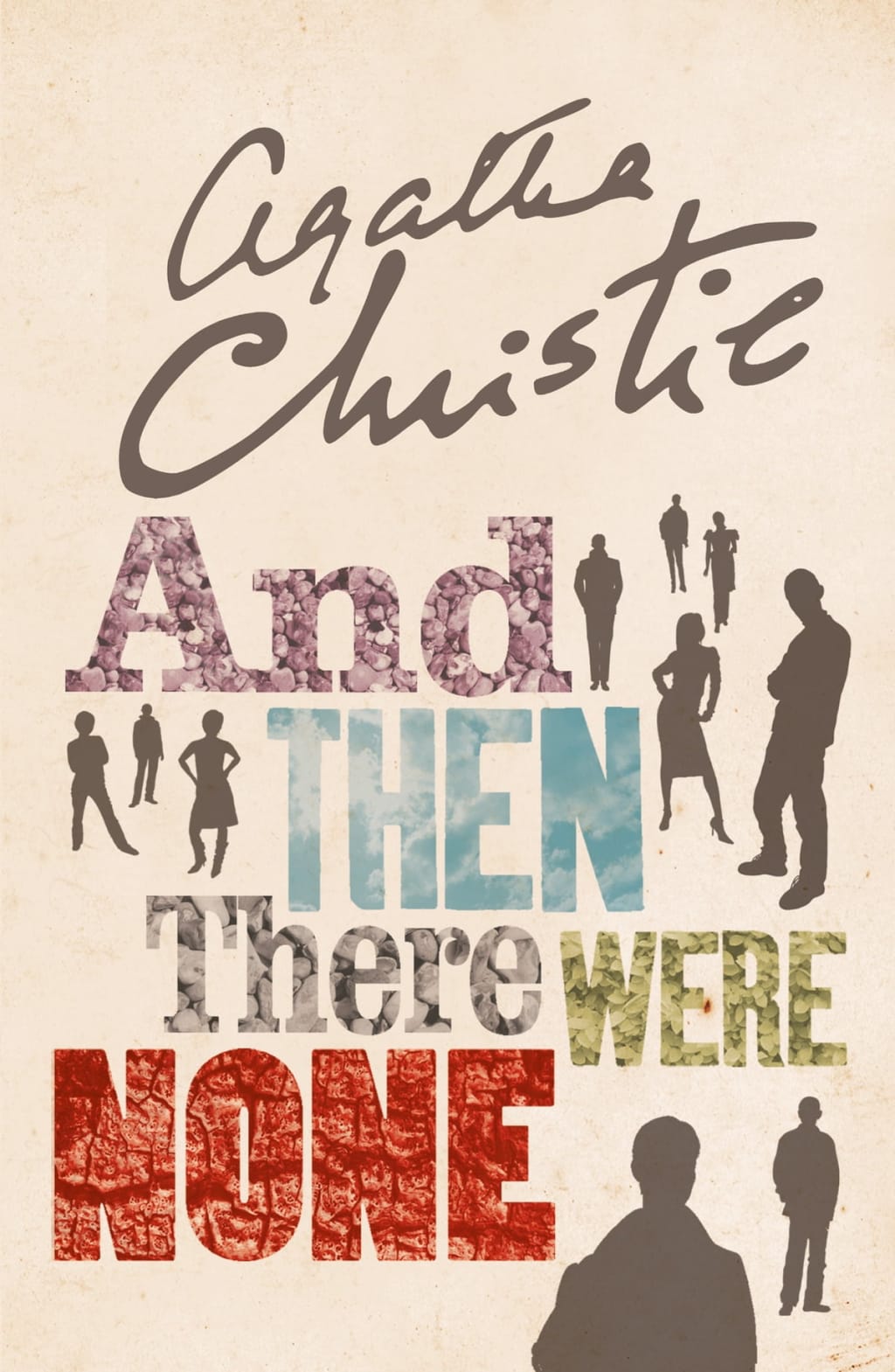
Get Your Free Book And Then There Were None Here:
And Then There Were None by Agatha Christie
And Then There Were None by Agatha Christie is one of the most famous and widely acclaimed mystery novels ever written. First published in 1939, it has since become a cornerstone of the mystery genre, with its clever plot, unforgettable setting, and masterful suspense. The novel tells the story of ten strangers who are invited to a remote island under various pretexts, only to find themselves being systematically murdered one by one according to the lines of a nursery rhyme.
As the tension mounts and the number of survivors dwindles, the characters are forced to confront their darkest secrets and suspicions. Christie’s ingenious plot keeps readers guessing until the very end, making And Then There Were None a classic whodunit that has captivated generations of readers.
This summary will explore the key elements that make And Then There Were None such a compelling and timeless work. From the intricately crafted plot and atmospheric setting to the complex characters and underlying themes, this novel showcases Agatha Christie’s unparalleled skill as a storyteller.
Get Your Free Book And Then There Were None Here:
A Game of Survival
The plot of And Then There Were None begins with ten strangers receiving invitations to spend a weekend on Soldier Island, a secluded location off the coast of Devon, England. Each of the guests has been invited by someone they believe to be an acquaintance, although none of them are entirely sure who their host is. The guests include a judge, a doctor, a retired general, a governess, and several others from different walks of life.
Upon their arrival, they find the island isolated from the mainland, with no way to communicate with the outside world. Their host, Mr. U.N. Owen (a play on the word “unknown”), is conspicuously absent, leaving them alone in a luxurious but eerily empty mansion. As the guests settle in, they discover a framed copy of a nursery rhyme titled “Ten Little Soldiers” in each of their rooms. The rhyme describes how each of the ten soldiers meets their demise until there are none left.
The mystery deepens when, after dinner on the first night, a voice on a gramophone accuses each guest of having committed a murder. Shocked and disturbed, the guests realize that they have been lured to the island to face justice for their past crimes. Shortly after, one of the guests dies suddenly, and the remaining nine begin to suspect that the nursery rhyme is more than just a coincidence.
As the deaths continue in a pattern that mirrors the rhyme, the survivors become increasingly paranoid, suspecting one another of being the killer. With no way to escape the island and no help forthcoming, the guests must solve the mystery before it’s too late. The tension escalates as their numbers dwindle, leading to a shocking and unexpected conclusion.
The plot of And Then There Were None is a masterclass in suspense, with Christie expertly pacing the story to maintain a constant sense of dread and anticipation. Each twist and turn in the narrative is meticulously crafted, keeping readers on the edge of their seats as they try to piece together the clues.
Get Your Free Book And Then There Were None Here:
Guilt, Paranoia, and Desperation
One of the most intriguing aspects of And Then There Were None is its cast of characters, each of whom is deeply flawed and harboring a dark secret. Christie delves into the psychology of her characters, exploring how guilt, paranoia, and desperation influence their actions as they are pushed to the brink.
The ten guests on Soldier Island are a diverse group, with varying backgrounds and personalities. However, they all share one thing in common: each has committed a crime that has gone unpunished by the law. This shared guilt binds them together even as it drives them apart, creating an atmosphere of mistrust and suspicion.
Vera Claythorne, a former governess, is one of the central characters. Haunted by the death of a child in her care, Vera’s guilt and anxiety are palpable throughout the novel. As the situation on the island becomes more dire, Vera’s mental state deteriorates, making her both a sympathetic and unreliable character.
Judge Wargrave, another key character, is a distinguished and authoritative figure who initially takes charge of the group. However, as the deaths continue, Wargrave’s calm and logical demeanor begins to crack, revealing a more sinister side. His character arc is one of the most compelling in the novel, leading to a surprising revelation.
The other guests, including Dr. Armstrong, Philip Lombard, Emily Brent, and General Macarthur, each bring their own histories and personalities to the story. Christie carefully constructs each character’s backstory, gradually revealing their motivations and fears. This depth of characterization adds layers of complexity to the narrative, as readers are invited to question each character’s innocence or guilt.
As the tension mounts and the number of survivors decreases, the characters’ desperation intensifies. Christie masterfully portrays the psychological toll of their predicament, showing how fear and paranoia can drive people to extreme measures. The characters’ gradual unraveling is one of the most gripping aspects of the novel, as they are forced to confront not only the threat of death but also the weight of their own consciences.
Get Your Free Book And Then There Were None Here:
Justice, Morality, and the Nature of Guilt
And Then There Were None is a novel that explores several deep and thought-provoking themes, with justice and morality at the forefront. The premise of the novel hinges on the idea of retribution for past crimes, with the killer acting as an avenger who seeks to punish those who have escaped legal consequences. Christie raises questions about the nature of justice and whether it can truly be served through vigilantism.
The concept of guilt is central to the novel, with each character grappling with their own sense of culpability. Some characters, like Vera Claythorne, are tormented by their guilt, while others, like Emily Brent, remain steadfast in their belief that they did nothing wrong. Christie uses these varying responses to guilt to explore the moral complexities of the characters’ actions and the justifications they offer for their behavior.
Another significant theme in And Then There Were None is the idea of fate and inevitability. The nursery rhyme that guides the murders creates a sense of predestination, as the characters are seemingly powerless to escape the fate that has been set out for them. This theme is underscored by the isolation of the island, which traps the characters in a situation where their past actions come back to haunt them.
Christie also delves into the theme of paranoia and the breakdown of social order. As the characters become more suspicious of one another, the veneer of civility quickly erodes, revealing the darker aspects of human nature. The novel examines how fear and the instinct for self-preservation can lead to the disintegration of trust and cooperation, even among those who initially appear to be allies.
The theme of justice is ultimately tied to the novel’s conclusion, which challenges readers to consider the morality of the killer’s actions. Christie leaves readers with a sense of ambiguity, prompting them to question whether the murders were justified or whether the killer’s quest for justice was simply another form of moral corruption.
Get Your Free Book And Then There Were None Here:
Precision, Atmosphere, and Suspense
Agatha Christie’s writing style in And Then There Were None is marked by its precision, economy of language, and ability to create an atmosphere of suspense. Christie’s prose is clear and straightforward, yet she manages to build a complex and multilayered narrative that keeps readers engaged from start to finish.
One of the standout features of Christie’s writing is her ability to create a sense of place. The setting of Soldier Island plays a crucial role in the story, and Christie’s descriptions of the island’s desolate landscape and the ominous mansion heighten the sense of isolation and dread. The island becomes almost a character in its own right, a place where the characters’ past sins are brought to light and where there is no escape from their fate.
Christie’s use of the nursery rhyme “Ten Little Soldiers” is another brilliant aspect of her writing. The rhyme serves as both a foreshadowing device and a constant reminder of the characters’ impending doom. As each line of the rhyme is fulfilled with the death of another guest, the tension builds, creating a sense of inevitability that keeps readers on edge.
The pacing of the novel is expertly managed, with Christie slowly ratcheting up the suspense as the story progresses. She deftly balances moments of quiet introspection with sudden bursts of violence, ensuring that the tension never lets up. Christie’s use of misdirection and red herrings is also masterful, as she leads readers down one path only to reveal a shocking twist that upends their expectations.
Christie’s ability to maintain suspense while developing her characters and themes is a testament to her skill as a writer. And Then There Were None is a tightly plotted novel that rewards careful reading, with every detail and clue contributing to the overall puzzle.
Get Your Free Book And Then There Were None Here:
Conclusion: A Timeless Mystery Masterpiece
And Then There Were None by Agatha Christie is a timeless masterpiece of the mystery genre. With its intricate plot, well-drawn characters, and exploration of themes such as justice, guilt, and morality, the novel continues to captivate readers more than 80 years after its publication. Christie’s ability to create suspense and maintain it throughout the novel is unparalleled, making And Then There Were None a must-read for fans of mystery and crime fiction.
The novel’s clever use of the nursery rhyme as a framework for the murders, combined with its atmospheric setting and psychological depth, sets it apart as one of Christie’s finest works. The story’s exploration of the darker aspects of human nature and the consequences of past actions gives it a timeless quality that resonates with readers across generations.
About the Creator
Marcos Martins da silva
Unlock the power of reading with book summaries across all genres. Discover how great your next read can be.
Keep reading
More stories from Marcos Martins da silva and writers in BookClub and other communities.
7 Books About Psychology That Are Impossible To Put Down
Psychology is not just an academic discipline—it’s a mirror held up to our inner world. It explains why we think the way we do, why we fall in love, why we sabotage ourselves, and why some habits cling to us like gravity. The best psychology books don’t feel like textbooks; they feel like conversations that change how we see ourselves and others.
By Diana Merescabout 16 hours ago in BookClub



Comments
There are no comments for this story
Be the first to respond and start the conversation.