
Street Food Spectacular: A Global Gastronomic Adventure Right at Your Fingertips!
From Food Carts to Flavorful Feasts: Exploring the Vibrant World of Street Food Delights

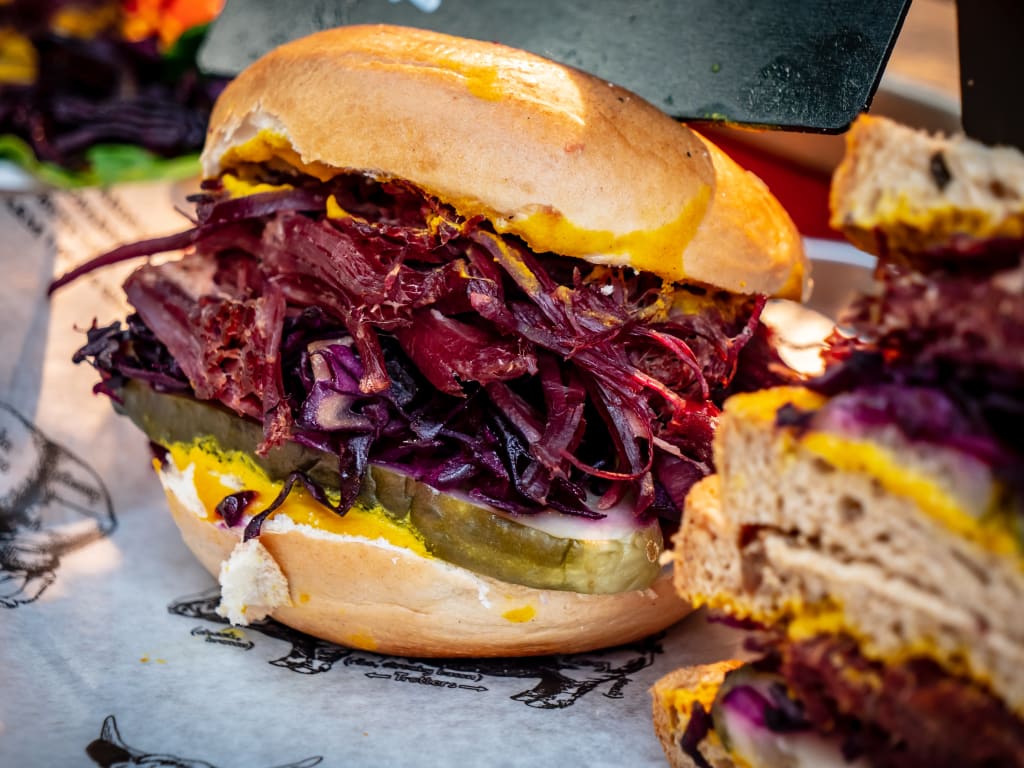
"Street Food Delights: A Culinary Journey Through the Global Tapestry of Flavors"
Introduction
Street food, a ubiquitous and beloved aspect of culinary culture worldwide, offers an enticing and diverse array of flavors, textures, and aromas. From bustling Asian night markets to the food stalls of European city squares and the food trucks of North America, street food is a vibrant testament to the universal love of convenient, delicious, and affordable meals. In this article, we will embark on a global culinary journey through the essence of street food, exploring its cultural significance, key ingredients, iconic dishes, and the street food renaissance.
The Essence of Street Food
Accessibility and Affordability: Street food is known for its accessibility and affordability, making it a culinary choice for people from all walks of life. It provides a quick and delicious solution to hunger, often without the need for reservations or formal dining.
Diverse Offerings: Street food offerings are incredibly diverse, ranging from savory and spicy to sweet and indulgent. They reflect the cultural heritage of the region and often showcase traditional recipes passed down through generations.
Casual Dining Experience: Street food is usually enjoyed in a casual, open-air setting, fostering a sense of community as people gather to eat, share stories, and enjoy the vibrant atmosphere of street food markets and festivals.
Global Influence: Street food has transcended borders and influenced restaurant menus, home kitchens, and culinary innovation. Many world-renowned chefs and restaurants have drawn inspiration from the humble yet flavorful world of street food.
Iconic Street Food Dishes
Pad Thai (Thailand): A stir-fried noodle dish made with rice noodles, tofu or shrimp, and a harmonious blend of sweet, sour, and spicy flavors. It's typically garnished with peanuts and fresh lime.
Taco (Mexico): Soft or crispy tortillas filled with a variety of ingredients, including seasoned meat, salsa, cheese, and toppings like guacamole and sour cream.
Samosa (India): Triangular pastries filled with a mixture of spiced potatoes, peas, and sometimes meat, all enveloped in a crispy pastry shell.
Bánh Mì (Vietnam): A fusion of French and Vietnamese cuisine, bánh mì consists of a baguette filled with various ingredients like grilled meat, pickled vegetables, fresh herbs, and sauces.
Churros (Spain): Fried dough pastries coated in sugar, often served with a side of hot chocolate for dipping.
Cultural Significance of Street Food
Street food is deeply intertwined with the cultural fabric of regions and nations, offering a glimpse into the traditions, history, and everyday life of people. It is often associated with celebrations, festivals, and local markets, serving as a focal point for social gatherings and culinary exploration.
In many cultures, street food represents a form of entrepreneurship and self-expression, allowing vendors to share their culinary heritage and provide for their families. It is a testament to the creativity of individuals who have perfected their recipes over time, resulting in dishes that have become local icons.
Street food can also promote cultural exchange and international diplomacy. The exchange of culinary ideas and recipes has led to the fusion of flavors and the creation of unique, multicultural dishes.
The Street Food Renaissance
In recent years, street food has experienced a resurgence, thanks to the growing popularity of food trucks, pop-up markets, and culinary events. The street food renaissance is characterized by several key trends:
Gourmet Street Food: Chefs and culinary entrepreneurs have elevated street food to gourmet levels, combining traditional flavors with modern twists. Food trucks and pop-up stalls offer everything from gourmet burgers to artisanal ice cream.
Ethnic and Fusion Cuisine: Street food has become a canvas for creativity, with vendors experimenting with fusion dishes that blend the flavors of different cultures. These dishes offer a unique and memorable culinary experience.
Food Sustainability: Many street food vendors are increasingly focused on sustainability, using locally sourced ingredients, reducing food waste, and embracing eco-friendly packaging.
Culinary Tourism: Street food has become a major draw for culinary tourism, with food enthusiasts traveling to destinations specifically to savor street food delicacies.
Conclusion
Street food is more than just a quick meal; it is a cultural treasure trove of flavors and traditions waiting to be explored. Whether you're indulging in the sweet crunch of churros in Spain, savoring the aromatic spices of Indian samosas, or enjoying the burst of freshness in a Vietnamese bánh mì, street food offers a sensory journey that transcends borders and connects people through their shared love of food.
As street food continues to evolve and capture the hearts and appetites of food lovers worldwide, it remains a testament to the rich culinary traditions and culinary entrepreneurship that thrive in the bustling streets and markets of cities and towns. So, the next time you encounter a food cart, market stall, or food truck, embrace the opportunity to embark on a flavorful adventure and savor the world of street food—one bite at a time.
About the Creator
Keep reading
More stories from engin olmez and writers in BookClub and other communities.
Smokin' Sensation: Unveiling the Ultimate Barbecue Experience!
"Barbecue Bliss: Exploring the Sizzling World of BBQ Delights" Introduction Barbecue, often simply referred to as BBQ, is a culinary tradition that transcends borders and brings people together with the irresistible allure of smoky, succulent, and savory flavors. Whether you're gathered around a grill in the backyard, at a roadside barbecue joint, or participating in a grand barbecue competition, there's something universally satisfying about savoring the art of cooking meat over an open flame. In this article, we'll dive into the smoky world of barbecue, exploring its diverse regional styles, the cultural significance, key ingredients, and the art of mastering the grill.
By engin olmez2 years ago in BookClub
My New Book is Finally Here
My poetry collection Beautiful and Brutal Things is done. It's actually done and finally published over 270 pages. Over a year of my life went into this book. More than a year, really. Long days at my computer, sometimes seven days a week because I couldn't stop even when I probably should have. Then two months of editing that felt harder than the writing itself. But it's finished, and I'm still standing, and the book is real.
By Tim Carmichael2 days ago in BookClub
7 Science Fiction Books You Must Read In 2026
Science fiction is more than just a genre; it’s a lens through which we explore the boundaries of human imagination, technology, and society. Whether it’s envisioning distant galaxies, questioning the ethics of artificial intelligence, or exploring alternate histories, science fiction books challenge our understanding of reality and push us to think beyond the ordinary. Below is a list of 7 science fiction books you must read in 2026.
By Diana Merescabout 11 hours ago in BookClub




Comments
There are no comments for this story
Be the first to respond and start the conversation.