
Smokin' Sensation: Unveiling the Ultimate Barbecue Experience!
From Sizzling Steaks to Fiery Ribs: A Journey Through the Smoky World of BBQ Delights!

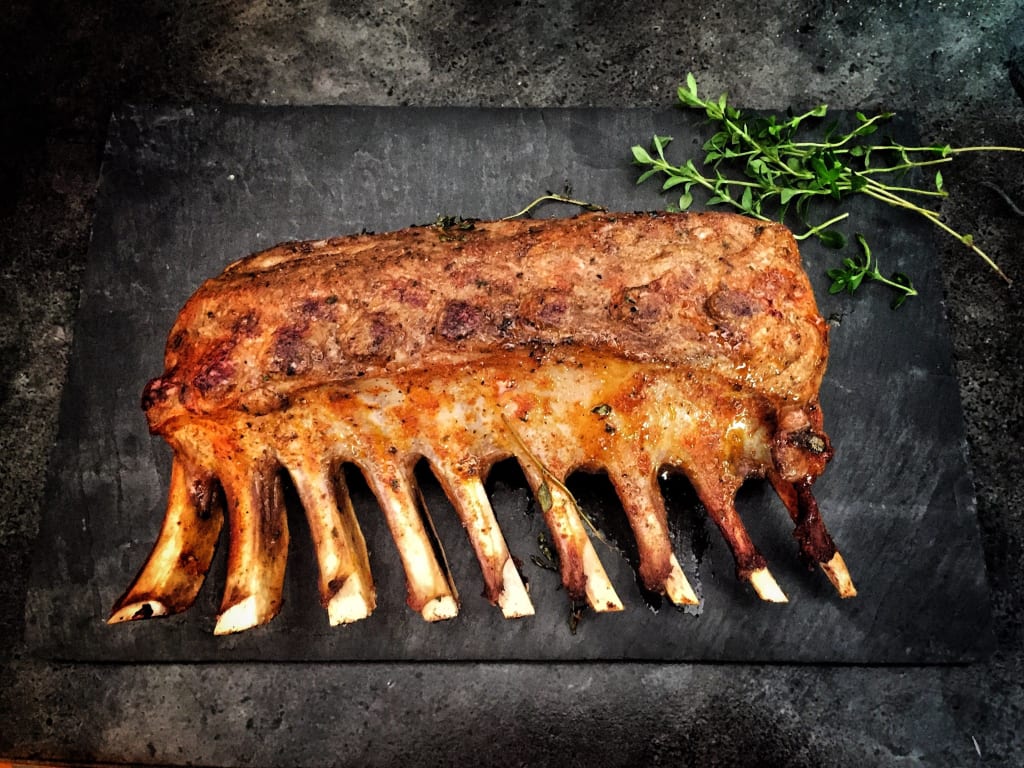
"Barbecue Bliss: Exploring the Sizzling World of BBQ Delights"
Introduction
Barbecue, often simply referred to as BBQ, is a culinary tradition that transcends borders and brings people together with the irresistible allure of smoky, succulent, and savory flavors. Whether you're gathered around a grill in the backyard, at a roadside barbecue joint, or participating in a grand barbecue competition, there's something universally satisfying about savoring the art of cooking meat over an open flame. In this article, we'll dive into the smoky world of barbecue, exploring its diverse regional styles, the cultural significance, key ingredients, and the art of mastering the grill.
The Art of Barbecue
Regional Styles: Barbecue in the United States alone boasts a rich tapestry of regional styles. From Texas with its emphasis on beef and slow-smoked brisket to the Carolinas known for their pork, vinegar-based sauces, and Memphis celebrated for dry-rubbed ribs, each region has its unique barbecue identity.
Low and Slow: One of the hallmarks of barbecue is the low and slow cooking method. This involves slow-cooking meat at a low temperature, typically using hardwood or charcoal, which imparts a smoky flavor while ensuring tenderness and juiciness.
Sauces and Rubs: Barbecue wouldn't be complete without a selection of sauces and rubs. Sauces can range from sweet and tangy to spicy and smoky, while rubs combine a variety of spices and herbs to enhance flavor and create a beautiful crust on the meat.
Variety of Meats: Barbecue is not limited to a single type of meat. While pork, beef, and chicken are the most common, barbecue enthusiasts have been known to experiment with everything from lamb to fish.
Iconic Barbecue Dishes
Pulled Pork Sandwich: A classic from the southern United States, this dish features slow-cooked and shredded pork, typically served on a soft bun with coleslaw and barbecue sauce.
Beef Brisket: Texas-style beef brisket is celebrated for its tender, juicy, and smoky flavor, often served sliced or chopped.
Baby Back Ribs: Baby back ribs are renowned for their tender and succulent meat, often prepared with a dry rub or coated in barbecue sauce.
Kansas City-Style Burnt Ends: These flavorful cubes of beef brisket are cooked to perfection, delivering a smoky, charred exterior and a melt-in-your-mouth interior.
Barbecue Chicken: Barbecue chicken features marinated and grilled or smoked chicken, often brushed with barbecue sauce to achieve a sweet and tangy glaze.
Cultural Significance of Barbecue
Barbecue is more than just a method of cooking meat; it's a cultural phenomenon deeply rooted in traditions and community. Throughout history, barbecue has been a communal activity, bringing people together to celebrate, socialize, and enjoy the fruits of labor over the grill.
In the United States, barbecue has strong ties to regional identities and a sense of pride. Annual barbecue festivals, cook-offs, and competitions serve as occasions to showcase culinary talents and pitmaster skills. These events also offer an opportunity for communities to gather and enjoy the unique flavors of their region.
Barbecue has been embraced worldwide, with each culture adding its own twist to the tradition. Whether it's Korean bulgogi, Argentine asado, or South African braai, barbecue is a universal language of cooking over an open flame, creating a sense of togetherness and celebration.
Mastering the Grill
Barbecue is an art form, and mastering the grill requires patience, practice, and a love for the craft. Here are some tips for aspiring pitmasters:
Choosing the Right Equipment: Selecting the right grill or smoker is crucial. Whether you prefer a charcoal grill, wood smoker, or a pellet grill, each has its unique characteristics that influence the flavor and texture of your barbecue.
Low and Slow: Practice the low and slow cooking method to achieve tender, flavorful results. Consistent temperature control and proper airflow are essential for this approach.
Flavorful Marinades and Rubs: Experiment with a variety of marinades, rubs, and sauces to find your signature flavor profile. Be creative with spice blends and sauces to enhance the taste of your meats.
Patience is Key: Good barbecue takes time. Allow yourself to enjoy the process and be patient with the cooking time required for various cuts of meat.
Maintain the Fire: Properly managing your fire, whether through charcoal, wood, or other methods, is a critical skill. Keep the fire at a consistent temperature and adjust it as needed.
Conclusion
Barbecue is more than a cooking technique; it's a celebration of flavors, traditions, and the joy of sharing a meal with friends and family. Whether you're a pitmaster with years of experience or a novice eager to learn the art of the grill, barbecue offers an exciting journey of culinary exploration.
From pulled pork sandwiches to tender beef brisket and sticky ribs, barbecue is a feast for the senses that transcends borders and brings people together. So, fire up your grill, experiment with spices and sauces, and embrace the smoky world of barbecue—it's a journey worth savoring.
About the Creator
Keep reading
More stories from engin olmez and writers in BookClub and other communities.
Exploring the Enchanting Flavors of Thailand: A Spicy Journey Through the Culinary Wonders of Thai Cuisine!
"Thai Cuisine: A Flavorful Odyssey Through Spices, Tradition, and Culinary Artistry" Introduction Thai cuisine, celebrated for its bold and harmonious flavors, tantalizing spices, and a rich culinary heritage, is a journey through the heart of Southeast Asia. With its diverse dishes, vibrant street food culture, and a balance of sweet, sour, salty, and spicy tastes, Thai cuisine has gained immense popularity on the global culinary stage. In this article, we'll delve into the essence of Thai cuisine, explore its cultural significance, highlight its key ingredients, and savor some iconic dishes that have made it an international favorite.
By engin olmez2 years ago in BookClub
Rachel Reviews: Lakefront Wolves by Joseph Deegan
Meet Finn. He's an 18 year old kid who has potential. He's bright with great school scores and he's also an athlete, a footballer of some prowess. He has it all going for him, it would seem, and yet, he's determined to send what could be a well-planned, stable existence firmly off the rails. He drinks, he smokes, he takes drugs, he has violent tendencies and he's in danger of losing not only his mind but all that he holds dear.
By Rachel Deeming12 days ago in BookClub
Writing To Succeed
If you want to find something that will help readers find your writing, possibly expand your audience, and maybe even get you noticed for other things, then you’re not alone. But how can you get it done in a world full of want-to-be writers? Look less at what you’re writing now, and more at what other writers have used to boost their views and reads.
By Jason Ray Morton 6 days ago in Writers



Comments
There are no comments for this story
Be the first to respond and start the conversation.