
Shadows of Shirley Oaks Children Home
She never told anyone

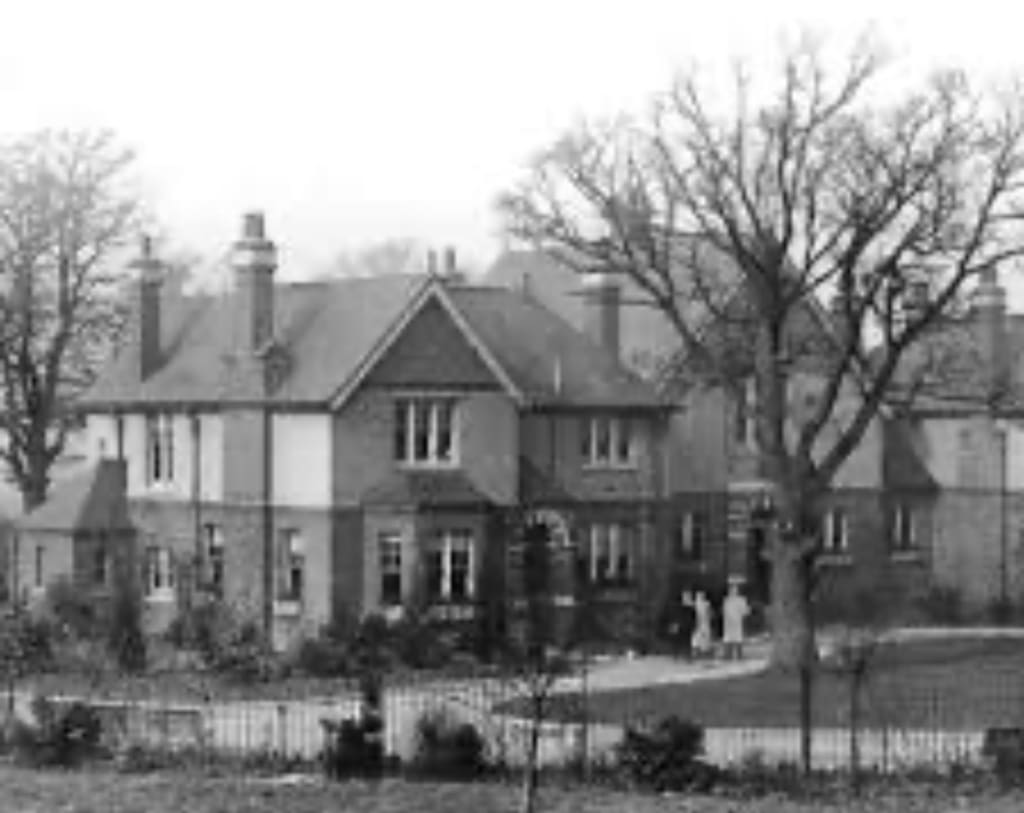
Sade’s earliest memories were a blur of cold rooms, harsh voices, and the hum of fluorescent lights that never seemed to dim. Shirley Oaks Care Home, tucked away in a forgotten corner of the city, was where she had spent her childhood, though it felt more like a prison than a place for healing. She was just five years old when she was brought there, an orphan after a tragic accident had claimed her parents. No one explained what had happened, and Sade couldn’t remember much beyond the foggy images of a smiling woman and the warm smell of her mother’s perfume.
The care home’s whitewashed walls and the echo of other children’s muted cries became the backdrop to her life. There were no tender arms to comfort her, no familiar faces to brighten her days. Instead, there were the cold, unblinking eyes of the staff, some of whom never smiled, and others whose smiles were too wide, too hungry. They didn’t care for her as she had imagined in the stories she’d read in the books the social workers brought. Instead, they were cold figures who saw children as numbers on a page or burdens to be dealt with.
Sade learned quickly that she needed to be quiet, invisible. The children who spoke too loudly or too often—those who demanded attention—would be punished in ways that were hard to explain. Some would disappear for days, others were left with bruises or cuts that weren’t explained. And Sade learned that speaking out only led to more pain. She understood the looks that passed between the staff—the silent signals of control. But the worst were the nights.
At night, when the lights dimmed, and the usual sounds of murmured conversations and soft footsteps faded, the place would grow eerily silent, save for the occasional creak of floorboards and the distant sound of doors slamming. That’s when Sade would feel the dread creep over her. The night matron, a woman named Mrs. Beale, would come into the children’s rooms. She didn’t belong in the darkness, but she thrived in it. Her whispering voice was like the rustling of dry leaves. Sade learned that staying still, pretending to sleep, was the only way to avoid her unwanted touch. Mrs. Beale’s breath on her neck, the rough hands that would linger too long—Sade had no way of understanding why it was happening. She only knew it was wrong. And when the staff saw the bruises the next day, they told her to keep quiet, or else they’d make sure no one would believe her.
The abuse wasn’t just from Mrs. Beale, either. It was the older boys who snuck into the dormitory at night. It was the shadowy figure of Mr. Hall, the caretaker, whose “discipline” often left Sade curled up in a corner, her body aching, but her spirit breaking in a way she couldn’t explain. The days blurred together. The sound of the other children crying out for help, begging for release from their own nightmares, became her soundtrack.
But even in the suffocating darkness of Shirley Oaks, Sade clung to fragments of hope. She’d found solace in small things—books that allowed her to escape into fantastical worlds, drawings she kept hidden in her jacket pocket, and the quiet moments when she’d sneak outside to the garden. The garden was overgrown, with tangled vines and rusted gates, but there were moments when the sun would break through, casting warm light on the flowers. She would sit there, hidden beneath the thick hedge, imagining a life where she wasn’t afraid, where the name Shirley Oaks didn’t hold such a dark weight.
Then, when she was twelve, something unexpected happened. A social worker named Rachel visited the home. She was different from the others—kind, compassionate, with a soft voice and eyes that seemed to truly see Sade. She asked the right questions and listened when Sade spoke, though her words were quiet, fragmented. Rachel’s visits became regular, and little by little, Sade started to trust her. For the first time, someone cared enough to notice the bruises, the scars, the hollow look in Sade’s eyes. And Rachel, unlike the others, refused to look away.
It was Rachel who finally made the phone call. It was Rachel who brought the right people into Shirley Oaks. They found the hidden cameras, the whispers that permeated the walls of the facility, and uncovered the years of abuse. Shirley Oaks, a place once considered a safe haven, was shut down, the staff investigated, and the children were placed in new homes, with real families who loved them.
But for Sade, it wasn’t just about escaping Shirley Oaks—it was about the journey to reclaim herself. It was a long road to recovery, full of therapy, tears, and moments of doubt. There were days when she could still feel the sting of Mrs. Beale’s hands or the dark weight of Shirley Oaks pressing against her chest. But as time passed, Sade found strength in her resilience. She became determined not to let the past define her.
Years later, standing on the steps of her new home—one where the walls were warm, the air filled with laughter—Sade would often look back on the girl she used to be. The girl who had once been lost and afraid in the shadow of Shirley Oaks. She no longer carried that fear. She carried the strength to heal, the strength to move forward, and the courage to speak out for others who couldn’t yet find their voice.
Shirley Oaks was no longer her world. The future was.
About the Creator
Trina Tuthill
Journlaist and radio presnter, podcast host - Passionate about social justice, feminism, family issues, culture, and music opinions and reviews.
Tips welcome
Keep reading
More stories from Trina Tuthill and writers in BookClub and other communities.
Owl
Owl had always been a quiet girl. Even as a child, she spoke in hushed tones, her voice barely above a whisper, as if afraid of being too much. She had been given the name Owl by her mother, who thought her large, dark eyes resembled the birds that watched the night with silent wisdom.
By Trina Tuthill10 months ago in BookClub
My New Book is Finally Here
My poetry collection Beautiful and Brutal Things is done. It's actually done and finally published over 270 pages. Over a year of my life went into this book. More than a year, really. Long days at my computer, sometimes seven days a week because I couldn't stop even when I probably should have. Then two months of editing that felt harder than the writing itself. But it's finished, and I'm still standing, and the book is real.
By Tim Carmichaela day ago in BookClub
7 Books That Will Make You More Positive About Human Beings
In a world often dominated by negative headlines, political unrest, and social division, it’s easy to feel pessimistic about humanity. Yet, if we pause and look closer, countless stories reveal the remarkable capacity for kindness, cooperation, and resilience in people. Books have a unique power to illuminate these qualities—offering perspective, hope, and inspiration. Below is a list of 7 books that will make you more positive about human beings. Through these works, we can reconnect with the belief that, despite our flaws, people are fundamentally capable of good.
By Diana Meresc7 days ago in BookClub




Comments (1)
What a fantastic story!