
REAL IMPACT OF CHINA 6TH GEN FIGHTER
6TH GEN FIGHTER

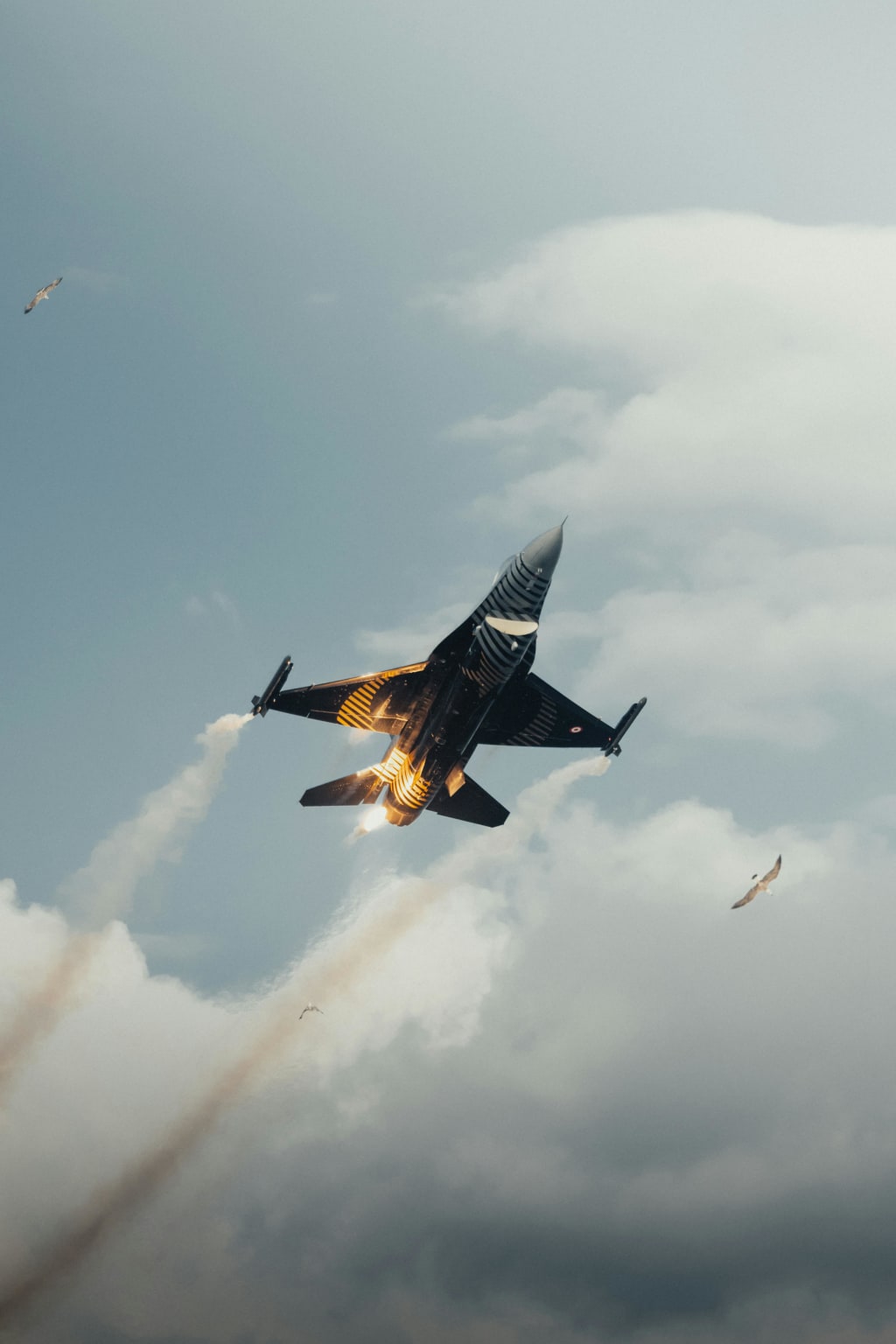
Introduction to Sixth-Generation Fighters
Sixth-generation fighter jets represent the next evolution in aerial combat technology, incorporating cutting-edge advancements in stealth, artificial intelligence (AI), networking, and weaponry. These jets surpass the capabilities of current fifth-generation aircraft, such as the F-22 Raptor, F-35 Lightning II, and China's J-20.
China has already showcased its ambition with the J-20 and is reportedly advancing its sixth-generation fighter program. The emergence of such a platform is expected to transform military strategies and global power dynamics.
Technological Advancements
Stealth and Survivability
Sixth-generation fighters are expected to push the boundaries of stealth technology. China’s investment in radar-absorbent materials, active camouflage, and advanced shaping techniques aims to produce aircraft virtually invisible to current and future radar systems.
Artificial Intelligence and Autonomy
AI integration will enhance pilot decision-making, potentially allowing for semi-autonomous or fully unmanned operations. This reduces pilot risk and enables more aggressive or prolonged missions.
Networking and Combat Cloud
These jets are designed to function as part of a broader "combat cloud," linking with satellites, drones, and other military assets. This networked approach will provide real-time battlefield awareness, increasing operational efficiency and lethality.
Advanced Weaponry
Directed-energy weapons (such as lasers), hypersonic missiles, and electronic warfare systems are likely features. These capabilities could render traditional air defenses obsolete and provide a significant edge in air superiority.
Enhanced Mobility and Range
Powered by adaptive engines, sixth-generation jets will likely feature improved fuel efficiency and thrust. This translates to longer ranges, higher speeds, and greater agility, enabling deeper penetration into enemy airspace.
Strategic Implications
Shift in Regional Power Dynamics
China’s sixth-generation fighter could tilt the balance of power in the Indo-Pacific. Countries like Japan, South Korea, and India may feel compelled to bolster their defenses, escalating regional arms races.
Challenge to U.S. Dominance
The U.S. has long maintained air superiority through platforms like the F-22 and F-35. A Chinese sixth-generation jet could challenge this dominance, especially if it is developed faster or deployed in greater numbers.
Impact on Allies and Partnerships
China's advancements may strain U.S. alliances. For instance, some nations might reconsider their reliance on American-made systems if China offers comparable technology at a lower cost.
Deterrence and Escalation
The introduction of such advanced aircraft could increase deterrence but also the likelihood of miscalculations in crises. If rivals perceive China’s capabilities as a threat, it could prompt preemptive strategies or defensive escalations.
Economic and Industrial Impact
Boost to Chinese Defense Industry
Developing a sixth-generation fighter will solidify China’s reputation as a global leader in military aviation. This could enhance its defense export market, competing with U.S. and European manufacturers.
Increased Defense Spending Globally
Other nations will likely ramp up investments to counter China’s advancements. This arms race could strain national budgets, particularly for smaller or developing countries.
Technology Spillover
Advancements in materials, AI, and propulsion for military use often spill over into civilian industries, potentially driving broader economic growth in China.
Potential Countermeasures
Collaborative Development Among Rivals
The U.S., along with NATO allies and partners like Japan, may accelerate their sixth-generation programs. Joint ventures and shared R&D efforts could counterbalance China’s advancements.
Emergence of New Technologies
Innovations in counter-stealth radar, cyber warfare, and space-based systems could mitigate the advantages of China’s sixth-generation aircraft.
Asymmetric Warfare
Nations unable to match China’s technological progress may adopt asymmetric strategies, such as advanced missile systems or electronic warfare capabilities.
Global Geopolitical Impact
Pressure on Neutral Countries
Neutral nations, particularly in Africa, Latin America, and Southeast Asia, may face increased pressure to align with either China or the U.S. as the strategic competition intensifies.
Impact on Global Institutions
As air power becomes more technologically sophisticated, international bodies like the United Nations or regional alliances may need to update protocols to address the implications of sixth-generation warfare.
Cybersecurity Risks
Advanced jets rely heavily on interconnected systems, making them vulnerable to cyberattacks. This opens a new domain for competition, with potential consequences for civilian infrastructure.
Challenges for China
Technological Hurdles
Developing and integrating sixth-generation technologies is immensely complex. Issues with AI reliability, material science, and engine performance could delay progress.
Economic Constraints
Sustaining such ambitious programs requires significant resources. Economic slowdowns or resource misallocation could hinder development.
International Backlash
Rapid advancements in military capabilities may lead to increased isolation or sanctions, particularly from Western nations.
Conclusion
China’s sixth-generation fighter program is a testament to its growing technological prowess and strategic ambitions. While the full impact remains to be seen, the ripple effects on global security, economics, and geopolitics are undeniable. The program will not only redefine air combat but also shape alliances, competition, and the future trajectory of warfare.
About the Creator
Faisal Rahman
HELLO
🐘Wildlife 🌳 Environment 🥋3rd° See nature through my eyes
Poetry, fiction, horror, life experiences, and author photos.
https://www.instagram.com/faisal_rahmann7/profilecard/?igsh=d25zemwzOGEzZXZv
Keep reading
More stories from Faisal Rahman and writers in BookClub and other communities.
Rachel Reviews: Lakefront Wolves by Joseph Deegan
Meet Finn. He's an 18 year old kid who has potential. He's bright with great school scores and he's also an athlete, a footballer of some prowess. He has it all going for him, it would seem, and yet, he's determined to send what could be a well-planned, stable existence firmly off the rails. He drinks, he smokes, he takes drugs, he has violent tendencies and he's in danger of losing not only his mind but all that he holds dear.
By Rachel Deeming15 days ago in BookClub
Top tipple tricks
Been thinking a lot about drinking, lately. Not least because of a recent episode of over-indulgence and the inevitable after effects. Some readers may recall the earlier articles I wrote about beating the booze. Here I set out an experiment in techniques for cutting down on my alcohol intake. The experiment was successful, the techniques worked, and I have armed myself with an arsenal of weapons in the war against the demon drink. I have yet to fire the first round however. It's all a question of timing (perhaps procrastination).
By Raymond G. Taylor7 days ago in Psyche




Comments
There are no comments for this story
Be the first to respond and start the conversation.