

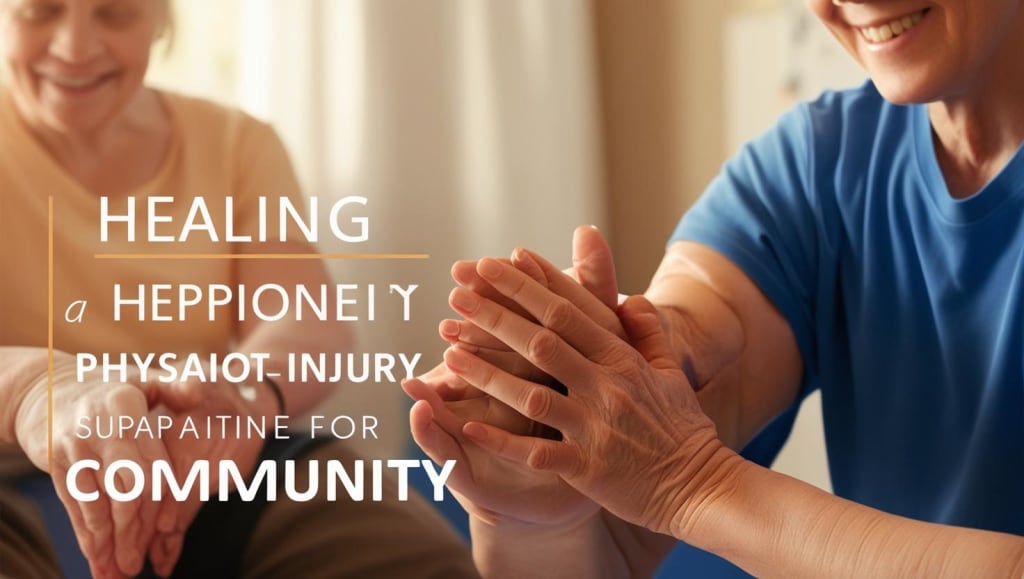
Stages of Physical Healing After Injury
Injuries are an inevitable part of life, whether caused by sports, accidents, overuse, or surgery. Understanding the natural healing process is crucial for proper recovery, rehabilitation, and prevention of long-term complications. The body has a remarkable ability to repair itself, and this process can be categorized into distinct stages. Each stage involves complex cellular and biochemical events that work in harmony to restore the body to its pre-injury state—or as close to it as possible.
This article delves into the stages of physical healing after an injury, highlighting what happens at each phase, typical durations, factors that influence healing, and practical tips to support recovery.
1. Hemostasis: The Immediate Response (Minutes to Hours)
What Happens:
Hemostasis is the body’s initial reaction to injury, aiming to stop bleeding and stabilize the damaged area. This occurs immediately after the injury and lasts for a few minutes to a few hours, depending on the severity.
- **Vasoconstriction** occurs, where blood vessels constrict to minimize blood loss.
- Platelets aggregate at the site to form a **temporary plug**.
- Clotting factors in the blood activate to form a **fibrin clot**, stabilizing the plug and preventing further bleeding.
Signs:
- Rapid bleeding that stops within minutes
- Swelling and slight redness due to increased blood flow
- Warmth at the injury site
Supportive Measures:
- Apply pressure to stop bleeding
- Elevate the injured area to reduce blood flow
- Use cold therapy (like ice) to minimize swelling
2. Inflammation: The Body’s Defense (Hours to Days)
What Happens:
Inflammation is a necessary phase where the body clears out damaged cells and pathogens. While it's often associated with pain and discomfort, inflammation sets the stage for repair.
- **White blood cells**, especially neutrophils and macrophages, move to the injury site to remove debris and fight infections.
- Blood vessels become more permeable, allowing immune cells and nutrients to enter.
- Chemical messengers like **cytokines** and **prostaglandins** trigger pain and swelling to signal damage and start repair processes.
Signs:
- Redness
- Swelling
- Heat
- Pain
- Limited mobility
Duration:
Typically lasts 2–5 days but can be longer depending on injury severity.
Supportive Measures:
- Continue applying ice in the first 48–72 hours
- Rest the injured area
- Anti-inflammatory medications (as prescribed)
- Avoid overuse, but begin gentle movements if pain allows
3. Proliferation: Tissue Repair Begins (Days to Weeks)
What Happens:
The proliferation phase is when the body begins to build new tissue to replace what was lost or damaged. This is a crucial turning point in healing.
- **Fibroblasts** (cells that produce collagen and extracellular matrix) migrate to the area.
- **Angiogenesis** occurs—new blood vessels form to nourish healing tissue.
- Formation of **granulation tissue**, which is the early version of new connective tissue.
- Skin and soft tissues regenerate through **epithelialization**.
- Collagen type III is laid down, which is later replaced by stronger collagen type I.
Signs:
- Swelling and redness decrease
- Pain reduces significantly
- Range of motion starts to return
- Scabs may form and fall off if the skin is involved
Duration:
This phase usually spans 1–3 weeks, depending on the injury type.
Supportive Measures:
- Begin physical therapy to promote healthy tissue alignment
- Maintain a balanced diet rich in protein, vitamin C, and zinc
- Continue with safe, pain-free movement and gradually increase activity
4. Maturation and Remodeling: Strengthening the Tissues
What Happens:
The final phase of healing focuses on strengthening and reorganizing the tissue to restore normal function.
- Collagen fibers are **realigned** according to stress lines placed upon them (this is why physical therapy is vital).
- Type III collagen is replaced by **Type I collagen**, which is stronger and more resilient.
- Excess cells from previous phases are removed via **apoptosis** (programmed cell death).
- Scar tissue forms and matures; it may never be as elastic or strong as the original tissue but provides essential coverage and stability.
Signs:
- Near-normal appearance of skin or tissue
- Scar formation
- Strength and flexibility gradually improve
- Pain subsides or is minimal
Duration:
This phase can last several months to over a year, depending on the injury's severity, type, and location.
Supportive Measures:
- Long-term rehab and strength training
- Scar management techniques (massage, silicone sheets, laser therapy)
- Avoid reinjury by progressing slowly and safely
- Nutritional support for collagen synthesis
Factors That Affect Healing Time
Several intrinsic and extrinsic factors influence the speed and quality of healing:
Intrinsic:
- **Age**: Older adults heal slower due to reduced cell regeneration.
- **Genetics**: Some people naturally produce collagen more effectively.
- **Health conditions**: Diabetes, immune disorders, or poor circulation can slow healing.
### Extrinsic:
- **Nutrition**: Lack of protein, vitamins A, C, E, and minerals like zinc impairs repair.
- **Hydration**: Dehydration can reduce nutrient transport and waste removal.
- **Smoking & Alcohol**: Impair circulation and cellular function.
- **Medications**: Steroids or certain anti-inflammatories may suppress healing.
- **Rehabilitation Compliance**: Ignoring therapy or returning to activity too soon can cause setbacks.
The Role of Physical Therapy
Physical therapy is a critical component in the recovery process. A skilled therapist designs a personalized plan that evolves through the healing stages. Early intervention can prevent muscle atrophy and joint stiffness, while later rehabilitation focuses on strength, balance, and coordination.
Benefits:
- Improves blood flow and oxygen to tissues
- Encourages proper scar alignment
- Restores functional movement
- Reduces pain without excessive medication
When Healing Doesn’t Go as Planned
Sometimes, healing stalls or becomes chronic. These complications may include:
- **Chronic inflammation**: Prolonged swelling and pain
- **Adhesions**: Scar tissue binds tissues together abnormally
- **Delayed union or non-union**: In bone fractures, healing may be very slow or fail
Re-injury: Occurs when returning to activity prematurely
If healing is not progressing as expected, medical consultation is crucial for re-evaluation and possible interventions like imaging, surgery, or regenerative treatments (e.g., PRP or stem cell therapy).
Understanding the stages of physical healing after injury provides a roadmap for recovery. Each phase—hemostasis, inflammation, proliferation, and remodeling—plays a vital role in restoring the body. While some aspects of healing are beyond our control, many factors such as nutrition, rest, physical therapy, and lifestyle choices significantly impact outcomes.
Patience and proper care are essential. The body is incredibly resilient, and with the right support, most injuries can heal well, enabling you to return to daily life or athletic performance with strength and confidence.
About the Creator
Gabriela Tone
I’ve always had a strong interest in psychology. I’m fascinated by how the mind works, why we feel the way we do, and how our past shapes us. I enjoy reading about human behavior, emotional health, and personal growth.
Keep reading
More stories from Gabriela Tone and writers in BookClub and other communities.
The Rhythm of Little Stars
The Rhythm of Little Stars A Journey to Finding the Perfect Baby Schedule When Emma first brought baby Oliver home from the hospital, she thought she was ready. She had read the books, joined the forums, listened to every piece of advice from mothers, grandmothers, neighbors, and strangers in grocery store lines. "Sleep when the baby sleeps," they said. "Feed on demand." "Let them cry it out." "Never let them cry it out."
By Gabriela ToneExclusive • 11 months ago
Rachel Reviews: Lakefront Wolves by Joseph Deegan
Meet Finn. He's an 18 year old kid who has potential. He's bright with great school scores and he's also an athlete, a footballer of some prowess. He has it all going for him, it would seem, and yet, he's determined to send what could be a well-planned, stable existence firmly off the rails. He drinks, he smokes, he takes drugs, he has violent tendencies and he's in danger of losing not only his mind but all that he holds dear.
By Rachel Deeming8 days ago in BookClub
8 Books That Begin Slowly but Finish Brilliantly
In the world of literature, not every story grabs us immediately. Some books start with a slow pace, intricate world-building, or subtle character introductions that may feel laborious at first. Yet, these are often the books that leave the deepest impact, with endings that resonate long after the final page. Books that begin slowly but finish brilliantly challenge our patience, rewarding us with profound insights, emotional catharsis, or unforgettable twists.
By Diana Meresc5 days ago in BookClub


Comments
There are no comments for this story
Be the first to respond and start the conversation.