
Palestinian history and Israel genocide
Title: Unveiling Palestinian History: Narrating Injustice in Israel Subtitle 1: Tracing the Roots: A Historical Journey through Palestine's Past Subtitle 2: From Coexistence to Conflict: Unraveling the Israeli-Palestinian Struggle Subtitle 3: Occupation and Displacement: The Plight of Palestinians in the West Bank and Gaza Strip Subtitle 4: The Right of Return: Asserting Justice for Palestinian Refugees Subtitle 5: Colonization and Settlements: Analyzing Israel's Expansion Policies Subtitle 6: Walls and Checkpoints: Restricting Movement and Deepening Inequality Subtitle 7: The Intifadas: Uprising against Occupation and the Pursuit of Freedom Subtitle 8: Human Rights Abuses: Examining Systemic Discrimination and Violations Subtitle 9: Resisting Oppression: Voices of Palestinian Activism and Grassroots Movements Subtitle 10: Hope Amidst Adversity: Exploring Paths to Peace and a Just Resolution
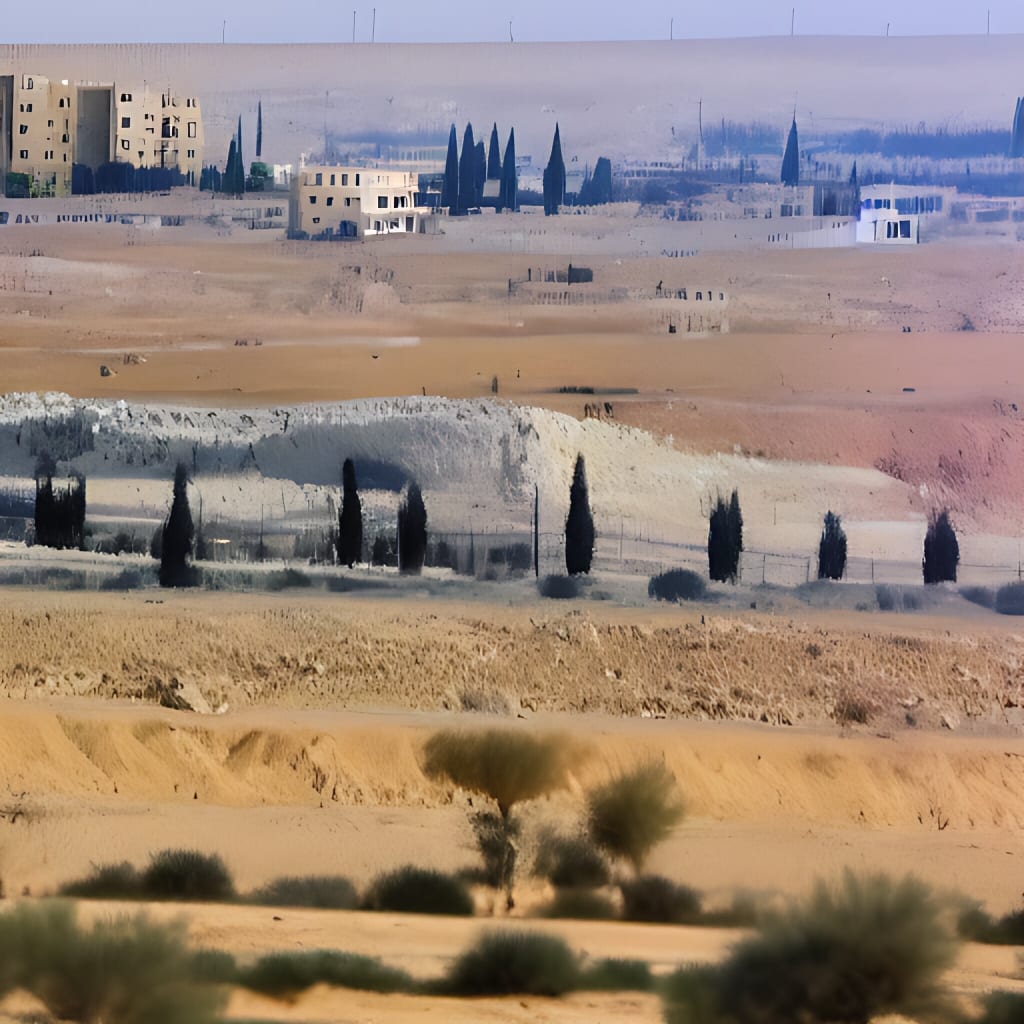
Once upon a time, in the land known as Palestine, a vibrant and diverse community thrived. Palestinians, both Muslim and Christian, had called this place their home for centuries, living in harmony with their Jewish neighbors. However, the course of history would soon take a drastic turn, leading to a complex and deeply-rooted conflict between Palestinians and Israel.
In the early 20th century, waves of Jewish immigrants arrived in Palestine, seeking refuge from persecution and hoping to establish a homeland of their own. The Zionist movement, advocating for the establishment of a Jewish state, gained momentum, with the support of powerful nations.
As tensions escalated, clashes between Palestinian Arabs and Jewish settlers became more frequent. The British, who held colonial authority over Palestine at the time, struggled to maintain order and eventually decided to partition the land.
In 1947, the United Nations proposed a partition plan that would divide Palestine into separate Arab and Jewish states, along with an international administration for Jerusalem. The plan was met with mixed reactions. Palestinians felt betrayed, as they believed it disregarded their rights and their majority on the land. Jewish leaders, on the other hand, saw this as an opportunity to finally establish a sovereign state.
In 1948, the State of Israel was declared, leading to a war between the newly-formed nation and the surrounding Arab states. This war, known as the Arab-Israeli War, resulted in significant territorial changes. Israel expanded its borders, while hundreds of thousands of Palestinians were displaced, becoming refugees in neighboring countries.
This displacement, known as the Nakba, or "catastrophe" in Arabic, marked a turning point in Palestinian history. It represented a deep wound that would shape the collective memory of Palestinians for generations to come.
In the years that followed, Palestinian resistance movements emerged, seeking to regain their homeland and establish an independent state. These movements, such as the Palestine Liberation Organization (PLO), employed various means, including diplomacy, political negotiations, and armed struggle, to achieve their goals.
The conflict continued to escalate, with periods of intense violence and sporadic peace negotiations. The occupied territories of the West Bank and Gaza Strip became focal points of the conflict, as Israeli settlements expanded, Palestinian resistance grew, and clashes between the two sides intensified.
Throughout the years, both Palestinians and Israelis have suffered immeasurable losses. Innocent lives have been lost, families torn apart, and communities shattered. The conflict has left scars on both sides, deepening the animosity and mistrust between Palestinians and Israelis.
Efforts for peace have been made, with numerous negotiations and international initiatives, but a lasting resolution remains elusive. The issues at stake are complex, encompassing questions of borders, settlements, the right of return for Palestinian refugees, and the status of Jerusalem.
However, amidst the ongoing conflict, there are also stories of hope and resilience. Palestinians continue to build their communities, preserving their culture, traditions, and aspirations for a better future. Israeli peace activists, too, work tirelessly to bridge the divide and advocate for a just and peaceful resolution.
Ultimately, the story of Palestinians and Israel is one of two peoples sharing a land, both with legitimate historical claims and aspirations for self-determination. It is a story that demands empathy, understanding, and a commitment to finding a just and lasting solution that respects the rights and dignity of all involved.
As the pages of history turn, we can only hope that one day, Palestinians and Israelis will find a path towards reconciliation, coexistence, and a peaceful cohabitation in the land they both call home.
About the Creator
Keep reading
More stories from Zainab Sunusi and writers in BookClub and other communities.
"Nigeria: Struggles and Triumphs - The Journey Towards a Brighter Future"
In the bustling city of Lagos, Aisha, a young Nigerian woman, dreams of a better future for herself and her community. Growing up in a rural village with limited educational opportunities, she witnessed the struggles and hardships faced by her fellow villagers. Determined to break free from the cycle of poverty, Aisha is determined to pursue an education against all odds.
By Zainab Sunusi2 years ago in BookClub
The Spirit of Place: Understanding the Genius Loci
When Place Becomes Presence Across human history, landscapes have rarely been regarded as neutral or empty. Valleys, rivers, forests, shorelines, crossroads, and built environments have consistently been experienced as possessing a distinct presence. Archaeological evidence, religious texts, and oral traditions reveal a shared understanding that land carries character, intention, and memory. Settlements emerged where land felt favorable. Shrines rose where terrain inspired reverence. Routes followed paths believed to be watched over or guided by unseen forces. Geography shaped culture not only through resources and climate, but through perceived meaning.
By Marcus Hedare2 days ago in BookClub




Comments
There are no comments for this story
Be the first to respond and start the conversation.