
Nurturing Connection: A Deep Dive into John Gottman’s "The Relationship Cure"
Transforming Relationships Through Emotional Intelligence and Practical Strategies!!!

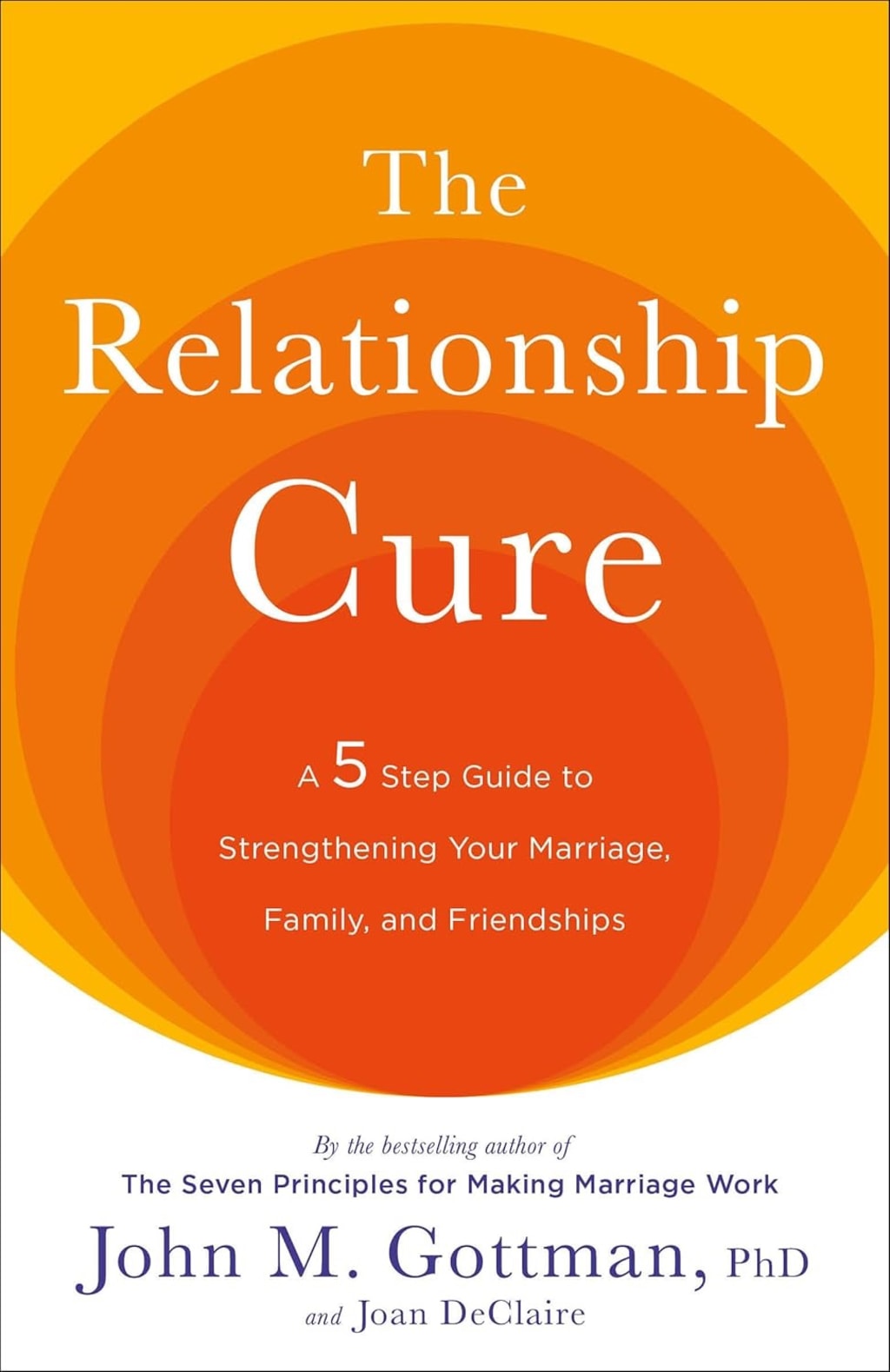
John Gottman, a prominent psychologist and relationship expert, has dedicated his career to understanding the intricacies of human relationships. In "The Relationship Cure," he distills his extensive research into actionable insights that can transform how we connect with our loved ones. This review will explore six key points from the book, providing a comprehensive overview of its themes and practical applications.
1. The Science of Emotion: Understanding Emotional Intelligence
At the core of "The Relationship Cure" is Gottman’s emphasis on emotional intelligence. He argues that successful relationships are built on the foundation of emotional awareness and communication. Gottman introduces the concept of "emotional bids," which are small gestures—such as a smile, a question, or a request for support—that indicate a desire for connection. He emphasizes that recognizing and responding to these bids can significantly enhance the emotional connection between partners. This scientific approach to emotions underlines the importance of being attuned to one’s own feelings and those of others, making emotional intelligence a cornerstone of healthy relationships.
2. The Four Horsemen: Identifying Relationship Killers
Gottman is perhaps best known for identifying the "Four Horsemen" of the apocalypse of relationships: criticism, contempt, defensiveness, and stonewalling. In "The Relationship Cure," he elaborates on how these negative communication patterns can undermine relationships. Each horseman represents a detrimental behavior that erodes trust and intimacy. For instance, contempt—characterized by sarcasm and disdain—creates a toxic atmosphere that can be difficult to overcome. Gottman offers strategies to counteract these behaviors, such as fostering a culture of appreciation and learning to express needs without blame. This identification of destructive patterns provides readers with the tools to recognize and address harmful dynamics in their own relationships.
3. Building a Sound Relationship House
Gottman introduces his "Sound Relationship House" theory, which consists of several key components that support a healthy relationship. These include building love maps, nurturing fondness and admiration, turning toward each other instead of away, and creating shared meaning. Each of these elements plays a crucial role in fostering intimacy and connection. For instance, love maps involve knowing your partner’s inner world—his or her dreams, fears, and goals—which strengthens emotional bonds. By understanding these foundational aspects, couples can work together to construct a robust framework for their relationship, ensuring that it can withstand challenges.
4. The Power of Repair Attempts
One of the most enlightening concepts in "The Relationship Cure" is the idea of repair attempts. Gottman stresses that conflicts are inevitable in any relationship; what truly matters is how couples handle these conflicts. Repair attempts are efforts to de-escalate tension and reconnect after a disagreement. These can range from a lighthearted joke to a sincere apology. Gottman argues that successful couples are adept at making and receiving repair attempts, which serves as a buffer against negativity and helps maintain a positive emotional climate. This focus on the importance of repair attempts encourages readers to cultivate resilience and communication skills in their own interactions.
5. The Role of Shared Goals and Values
Another vital aspect discussed in the book is the significance of shared goals and values in fostering a strong relationship. Gottman explains that partners who have aligned aspirations—whether they relate to family, careers, or lifestyle—are more likely to navigate challenges effectively. The book emphasizes the need for couples to engage in open conversations about their goals and values, fostering a sense of partnership and collaboration. This alignment creates a shared sense of purpose, which can enhance connection and commitment, ultimately leading to a more fulfilling relationship.
6. Practical Exercises and Tools
Gottman does not just present theories; he offers practical exercises and tools that couples can implement to improve their relationships. Throughout "The Relationship Cure," readers will find numerous worksheets and activities designed to encourage dialogue and deepen understanding. For instance, the "Emotional Check-In" exercise helps partners gauge each other’s emotional states, facilitating empathetic communication. These actionable steps empower readers to apply the principles discussed in the book to their own lives, making the insights not only theoretical but also applicable.
Conclusion: A Transformative Guide to Relationships
"The Relationship Cure" is more than just a book; it is a roadmap for anyone seeking to deepen their emotional connections and improve their interpersonal dynamics. Gottman’s blend of scientific research and practical advice provides a comprehensive toolkit for couples at any stage of their relationship. Whether you are facing challenges or simply wish to strengthen your bond, this book offers invaluable insights and actionable strategies that can lead to lasting change.
In an era where relationships often face numerous external pressures, Gottman’s work stands out as a beacon of hope and practicality. By emphasizing the importance of emotional intelligence, communication, and shared values, "The Relationship Cure" equips readers with the knowledge and tools to build and maintain healthy, thriving relationships. Whether you're a seasoned partner or embarking on a new romantic journey, this book is a vital resource that can profoundly impact your relational health.
Thank you 🙏
Future of Resilience
About the Creator
Future of Resilience
I enjoy writing book and product review, relationship and parenting blogs. I hope you enjoy my writing. Happy Reading!
Keep reading
More stories from Future of Resilience and writers in BookClub and other communities.
The Dopamine Dilemma: A Review of The Molecule of More by Daniel Z. Lieberman & Michael E. Long
When it comes to understanding the complexities of human behavior and motivation it is more crucial than ever, The Molecule of More by Daniel Z. Lieberman and Michael E. Long offers a fascinating exploration of the biochemical underpinnings of desire, decision-making, and addiction. The book delves into the role of dopamine, a neurotransmitter often associated with pleasure and reward, unraveling its profound influence on our lives, relationships, and society at large. Here’s a detailed review highlighting eight key points that capture the essence of this thought-provoking work.
By Future of Resilience about a year ago in BookClub
My New Book is Finally Here
My poetry collection Beautiful and Brutal Things is done. It's actually done and finally published over 270 pages. Over a year of my life went into this book. More than a year, really. Long days at my computer, sometimes seven days a week because I couldn't stop even when I probably should have. Then two months of editing that felt harder than the writing itself. But it's finished, and I'm still standing, and the book is real.
By Tim Carmichael3 days ago in BookClub
Valentine in Montréal
Don't be fooled by the title. The story is actually very interesting: My name is Valentine. I am twenty-three years old and I work at a little store at Berri-UQAM métro. I am very ordinary-looking and Barney, who works the same shift as me at the store, says I do not know how to dress. I have been working there for four years, and I have never missed a day. This is why sometimes I seem familiar to people, even though they can't place me.
By Kendall Defoe 6 days ago in BookClub



Comments (1)
Great review. This would be a good book for a spiritual marriage and family counselor with how 'The Four Horsemen' analogy fits into relationships of all kinds.