
Mythology: Nonfiction
The myths of the world in handy anthologies

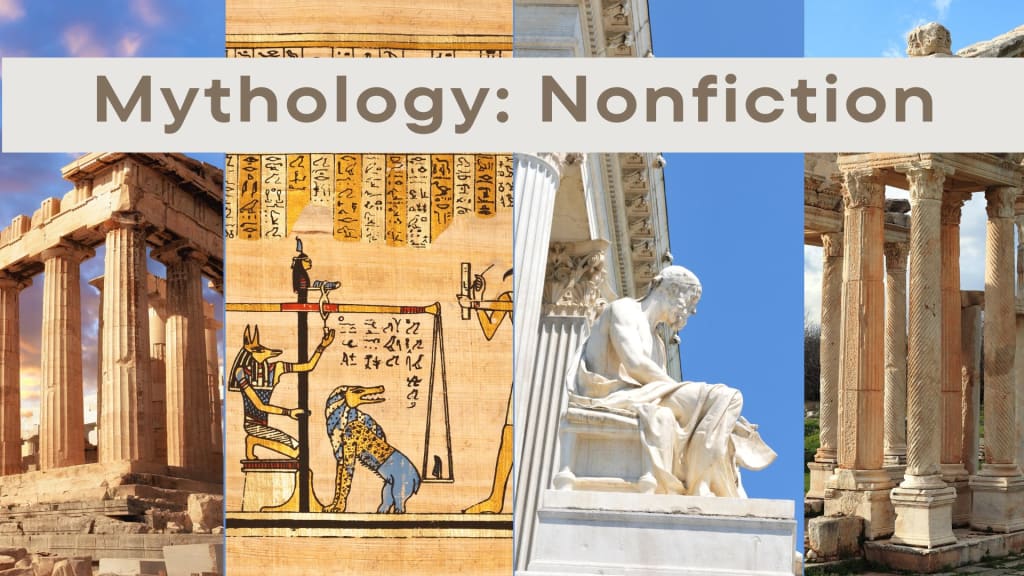
Mythology of the Zodiac by Marianne McDonald
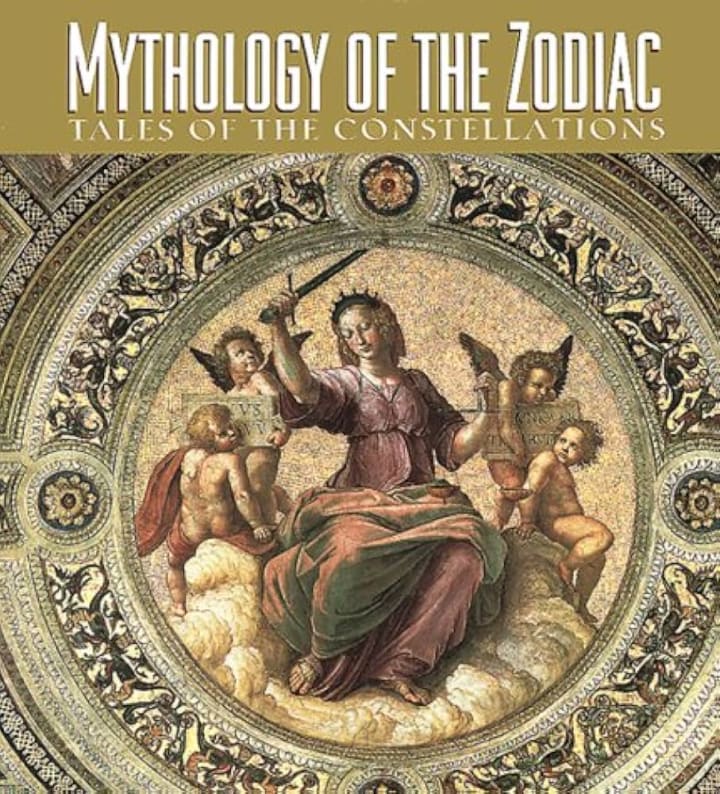
Mythology of the Zodiac recounts and compares the tales that people of diverse cultures have projected onto the zodiacal constellations for thousands of generations.
The Handy Mythology Answer Book by David A. Leeming
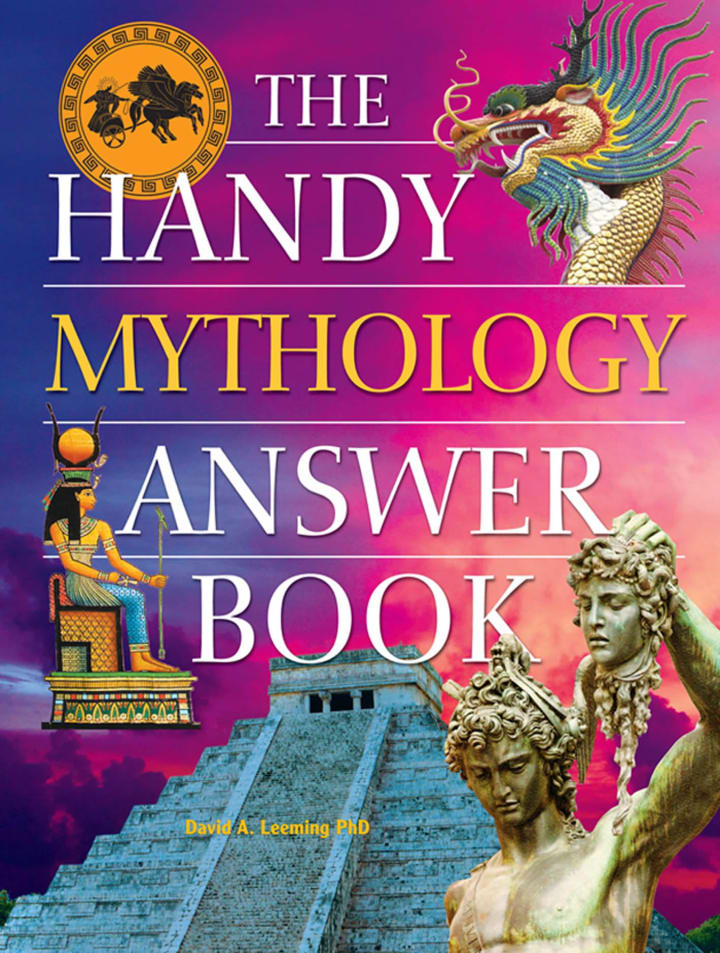
Stories centuries in the making, and many centuries worth of stories, are an integral part of modern society. Whether modern or ancient, every culture has its myths. Mythology forms our understanding of our origin, history, and traditions. They tell of our heroes and deities. Myths are vehicles for understanding religion, for learning language, and for understanding society, but they can often be difficult to understand and confusing. The Handy Mythology Answer Book examines and explains, in plain English, numerous myths and mythology. From the ancient Greek and Roman to Egypt and Babylon, from Native North American Indian to Celtic, Middle Eastern, Indian, Asian, African, and the lesser known myths from around the world, The Handy Mythology Answer Book has them covered. Whether it is the modern retelling of a classic myth or an ancient story about a Norse god, this helpful resource demystifies the myth, looks at different archetypes and motifs, and even shows how myths help explain our existence and institutions. It answers nearly 600 questions and offers fun facts about the treachery and violence, the inspirational and epic, the supernatural monsters and heroic mortals found in mythology, such as How and when did myths originate? What are the three primary myth types? What is the nature of Creation Myths? How can myths be compared to dreams? Why do humans tell myths? What was the Egyptian Book of the Dead? How is the epic of Gilgamesh like later epics? Why is the biblical flood story so like the Babylonian flood myth? What was the myth of Theseus, the Labyrinth, and the Minotaur? What are the Homeric Hymns? How and why are the Odyssey and the Iliad so different from each other? What is the popular appeal of the Odyssey? Did the Greeks see these myths as religion or as entertainment? What was the background myth of the Oedipus plays? What was the nature of Roman mythology during the Roman Republic? What was the Metamorphosis? How did Christian narrative and tradition fit into and come to dominate the Roman mythological tradition? How is Celtic culture and mythology related to the culture and mythology of Greek, Roman, and other cultures? How did the Vedas contribute to Hindu mythology? Who invented Chinese writing? What was the Aztec pantheon? What is the story of the Cherokee Grandmother Sun? Who are some Native American tricksters? What is the story of Schrödinger's Cat? How did Freud use myths? How is myth used in politics? A glossary of commonly used terms and an appendix of parallel mythology exploring universal themes, motifs, and archetypes from across various cultures further explains the world of mythology.
Heroes by Stephen Fry
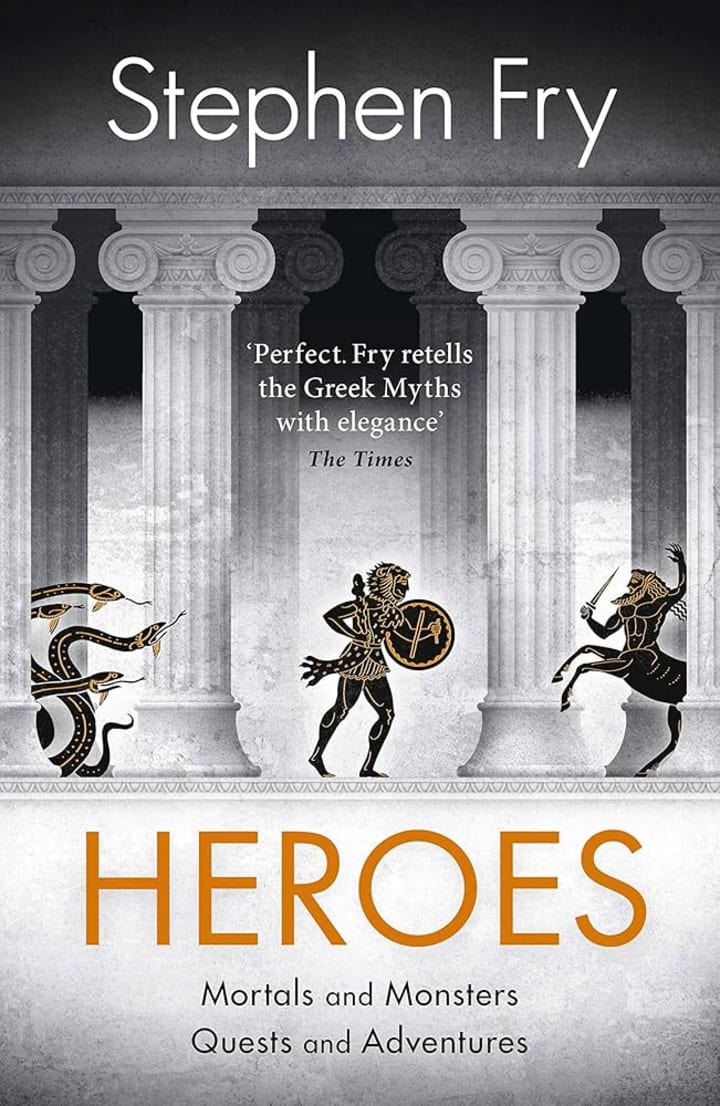
In this continuation of "Mythos," Stephen Fry recounts the stories of the human heroes found in Greek mythology, with illustrations of classical art inspired by the myths.
Classical Mythology A to Z by Annette Giesecke
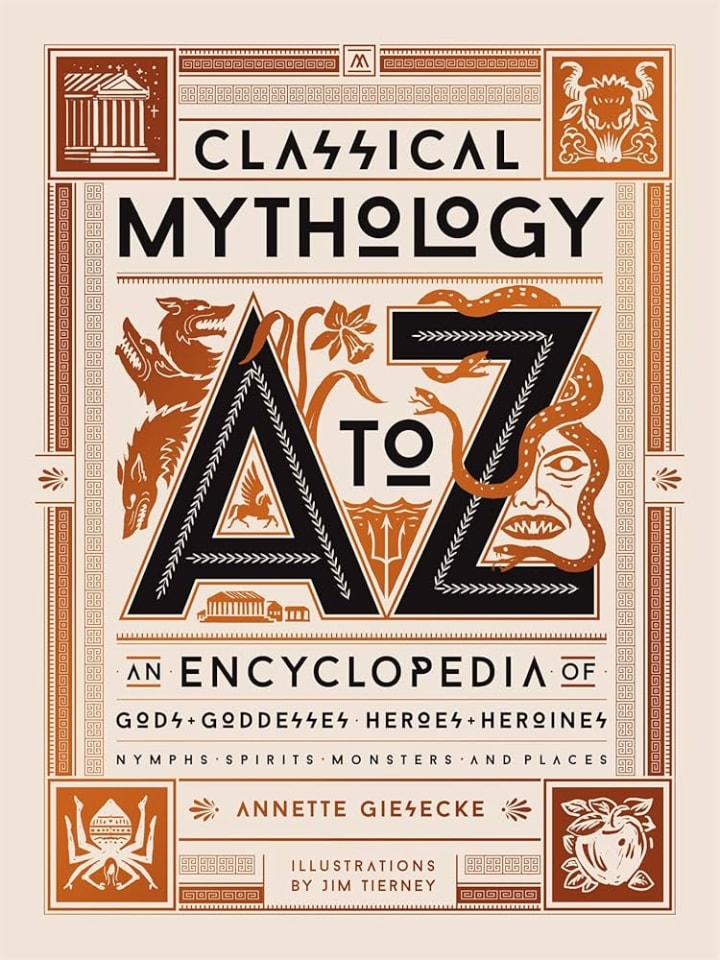
An essential companion to the 75th-anniversary illustrated edition of Edith Hamilton's Mythology, this A-to-Z guide offers hundreds of rich and fascinating definitions of every major and minor character, creature, and place of classical mythology.
Mythology by Edith Hamilton
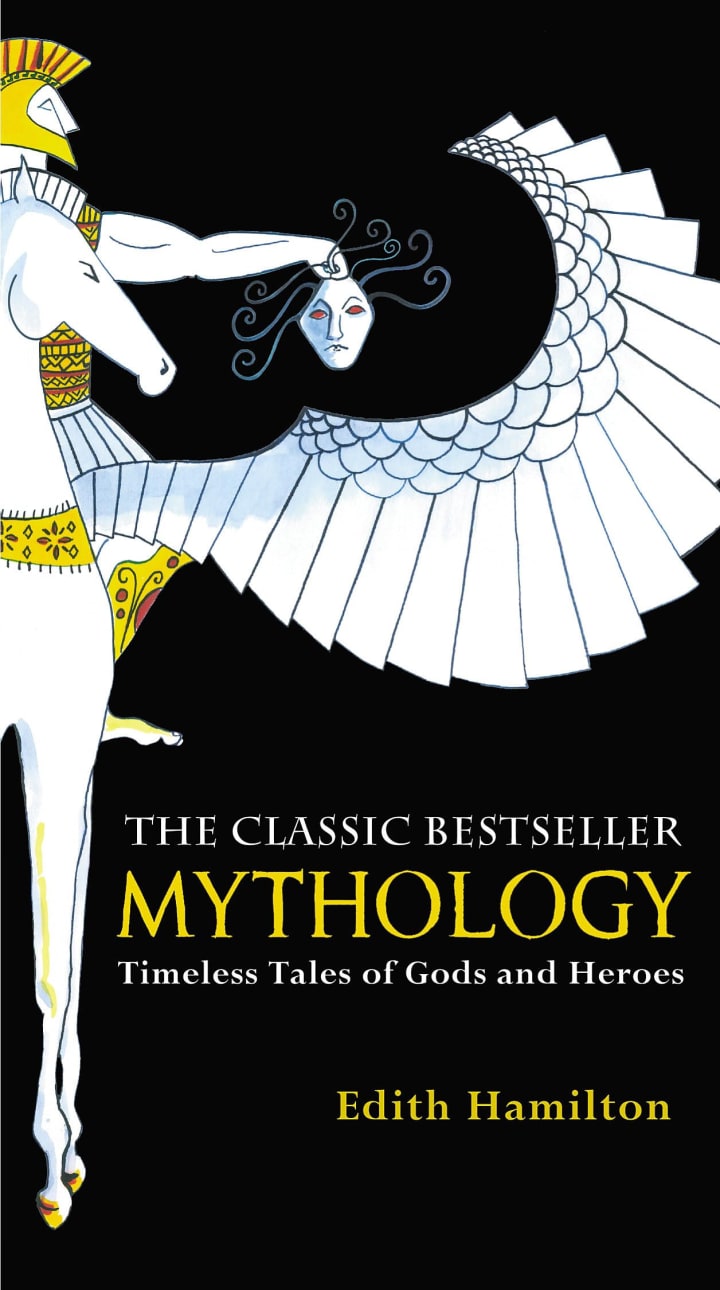
Monsters, mortals, gods, and warriors: For over sixty years readers have chosen this book above all others to discover the thrilling, enchanting, and fascinating world of Western mythology. From Odysseus's adventure-filled journey to the Norse god Odin's effort to postpone the final day of doom, Edith Hamilton's classic collection not only retells these stories with brilliant clarity but shows us how the ancients saw their own place in the world and how their themes echo in our consciousness today. An essential part of every home library, Mythology is the definitive volume for anyone who wants to know the key dramas, the primary characters, the triumphs, failures, fears, and hopes first narrated thousands of years ago-and still spellbinding to this day.
Norse Mythology by Neil Gaiman
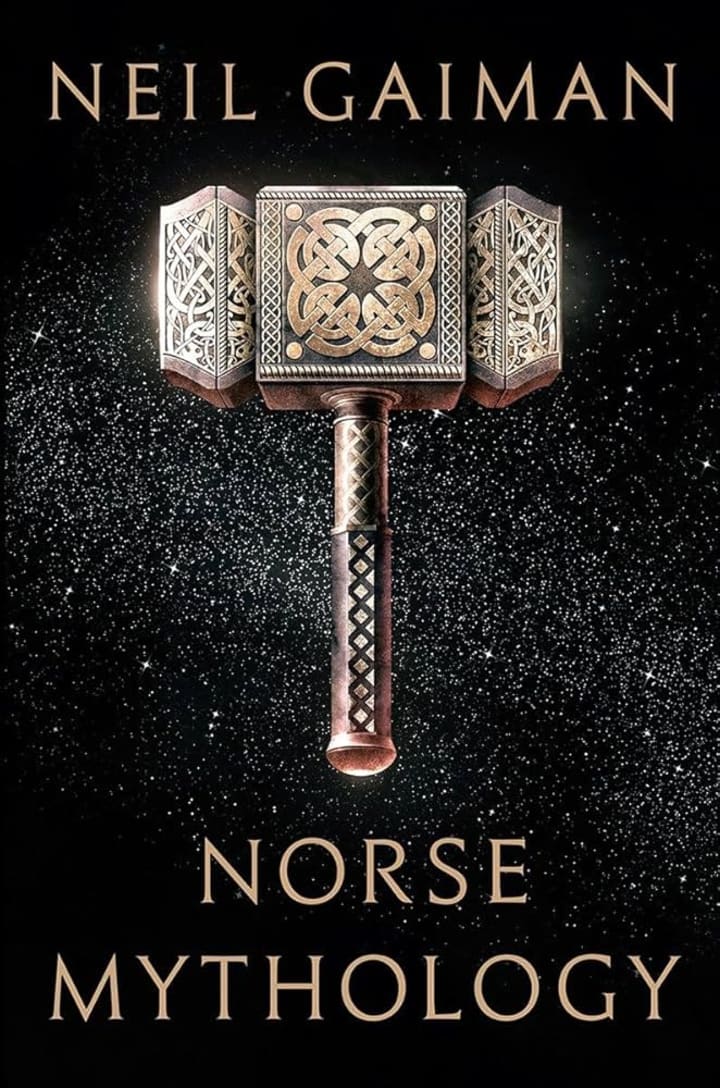
Neil Gaiman stays true to the myths in envisioning the major Norse pantheon: Odin, the highest of the high, wise, daring, and cunning; Thor, Odin's son, incredibly strong yet not the wisest of gods; and Loki, son of a giant, blood brother to Odin, and a trickster and unsurpassable manipulator. Gaiman fashions these primeval stories into a novelistic arc that begins with the genesis of the legendary nine worlds and delves into the exploits of deities, dwarfs, and giants. Once, when Thor's hammer is stolen, Thor must disguise himself as a woman -- difficult with his beard and huge appetite -- to steal it back. More poignant is the tale in which the blood of Kvasir -- the most sagacious of gods -- is turned into a mead that infuses drinkers with poetry. The work culminates in Ragnarok, the twilight of the gods and rebirth of a new time and people.
Leprechauns by Bob Curran
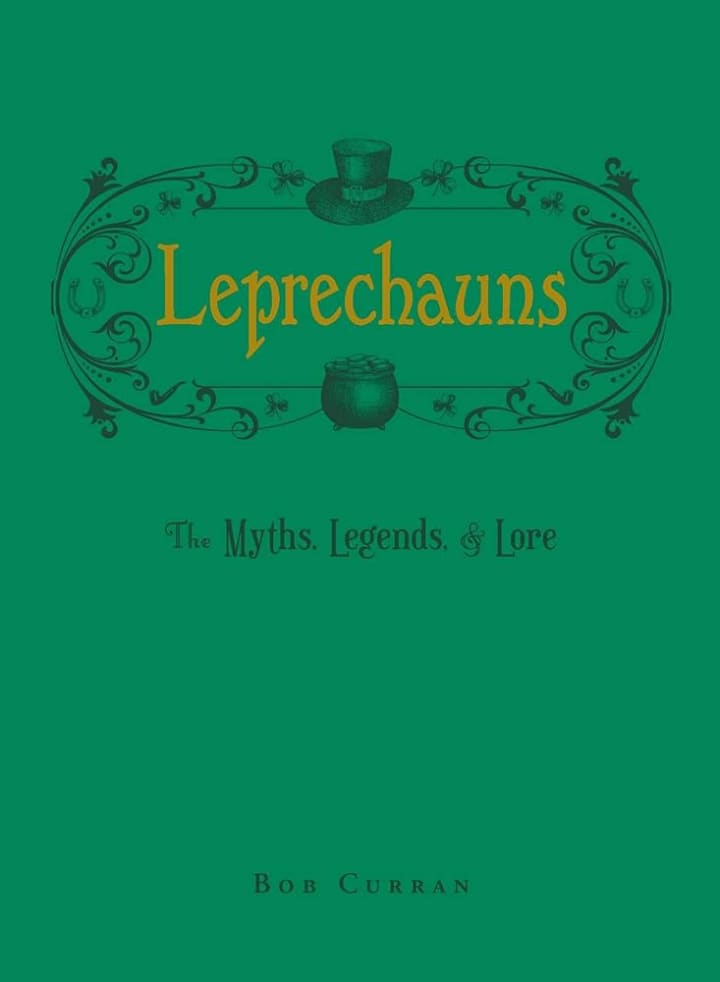
Leprechauns have been at the heart of Irish culture for years, capturing our hearts and minds alike--but how much do we really know about the leprechaun, anyway? Often depicted as a little bearded man who partakes in mischief, no one knows if he is a fallen angel, diminished god, or son of fairies? What does he do all day? And what's the story behind that hidden pot of gold? In Leprechauns, prominent folklorist Bob Curran looks at the origins of this hero of Irish lore. He explores the superstitions surrounding the leprechaun and his enduring place in popular culture, and turns the spotlight on the 'real' leprechaun--enigmatic, complex, and contradictory.
Mythos by Stephen Fry
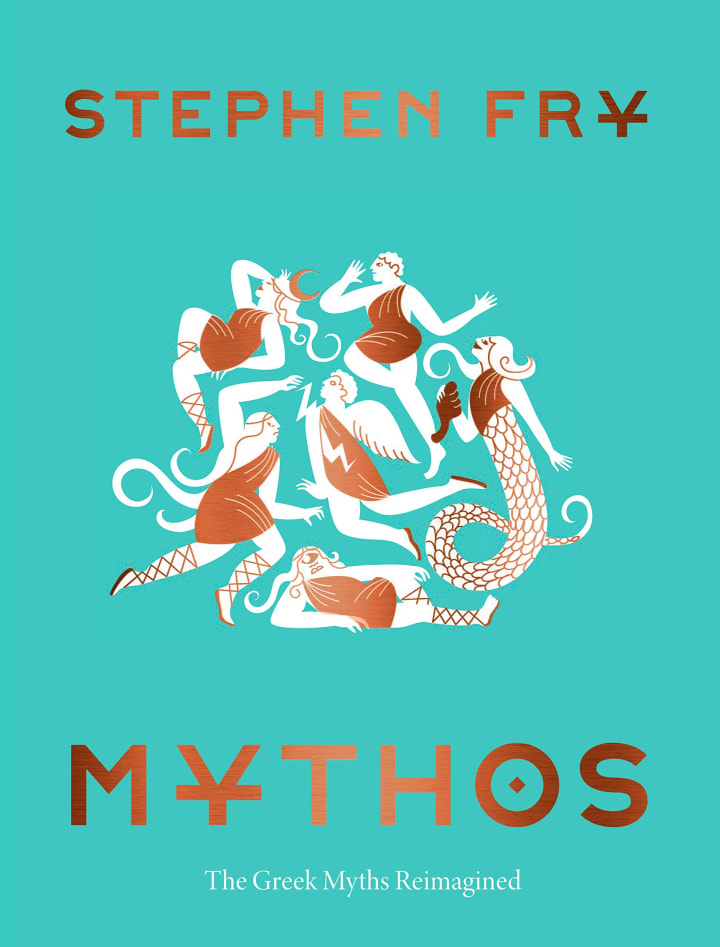
Here are the thrills, grandeur, and unabashed fun of the Greek myths, stylishly retold by Stephen Fry. The legendary writer, actor, and comedian breathes life into ancient tales, from Pandora's box to Prometheus's fire, and transforms the adventures of Zeus and the Olympians into emotionally resonant and deeply funny stories, without losing any of their original wonder. Classical artwork inspired by the myths and learned notes from the author offer rich cultural context.
About the Creator
Kristen Barenthaler
Curious adventurer. Crazed reader. Librarian. Archery instructor. True crime addict.
Instagram: @kristenbarenthaler
Facebook: @kbarenthaler
Keep reading
More stories from Kristen Barenthaler and writers in BookClub and other communities.
Mythology: Fiction
American Gods by Neil Gaiman https://www.amazon.com/American-Gods-Neil-Gaiman/dp/0380973650 Upon his release from prison, a widower accepts a job as a bodyguard and joins the battle between the gods of yore and the neoteric gods of present-day America.
By Kristen Barenthaler8 months ago in BookClub
Death Walk‑Ins: The Soul Swap Phenomenon
Entering the Realm of Death Walk‑Ins The concept of a walk‑in soul occupies a singular place in metaphysical and occult thought. It represents a radical departure from conventional ideas of identity and consciousness, suggesting that a human soul can completely leave a physical body and be replaced by another consciousness, sometimes in the midst of a lifetime. Unlike reincarnation, where a soul enters a newborn body, or possession, where a spirit may temporarily influence behavior, a walk‑in involves a full exchange of consciousness. Within this framework, death walk-ins occupy a distinct and compelling niche, describing individuals who have experienced clinical death, near-death events, or extreme trauma, and return profoundly altered—often exhibiting new personality traits, enhanced abilities, spiritual insights, or a completely transformed worldview.
By Marcus Hedareabout 18 hours ago in BookClub



Comments
There are no comments for this story
Be the first to respond and start the conversation.