
Mad Honey by Jodi Picoult and Jennifer Finney Boylan – A Powerful Story of Secrets, Identity, and Redemption
Is Love Ever Simple? The Emotional Layers of Mad Honey

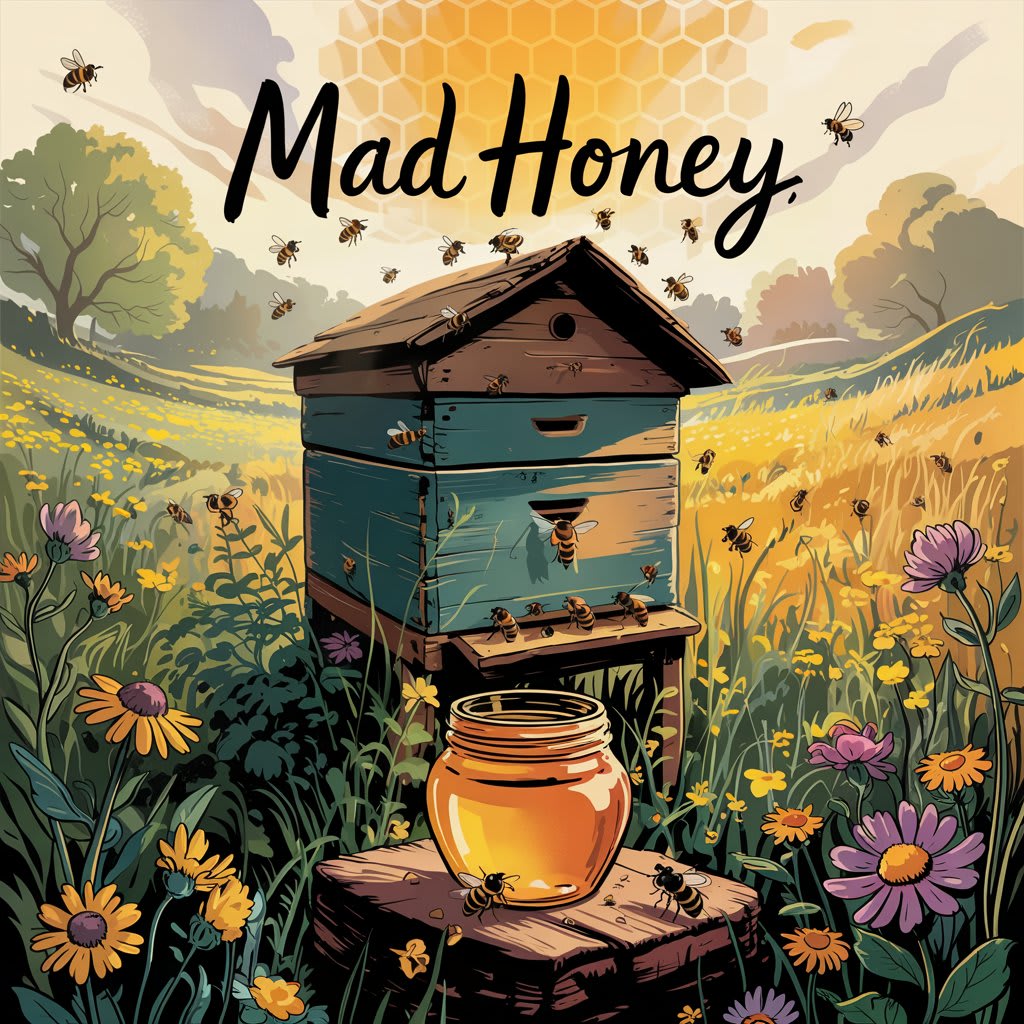
Introduction: A Tale as Bitter and Sweet as Honey
“Mad Honey” is a beautifully haunting novel co-authored by two remarkable writers—Jodi Picoult and Jennifer Finney Boylan. Merging a compelling mystery with themes of love, loss, and identity, the book has swiftly ascended to bestseller status, gaining widespread acclaim for its emotional richness and socially relevant storytelling.
This review of Mad Honey delves into the primary characters, dramatic twists, and touching reflections on gender, truth, and the essence of truly knowing another person. Readers who enjoy complex narratives and stories that challenge boundaries will find this novel unforgettable.
About the Authors: Jodi Picoult & Jennifer Finney Boylan
Jodi Picoult is well-known for her emotionally charged fiction. With more than twenty novels to her name—including popular titles like My Sister’s Keeper and Small Great Things—she excels at addressing controversial topics with empathy and subtlety. Her distinctive style combines engaging legal drama with profoundly human stories.
Jennifer Finney Boylan, a distinguished author and transgender advocate, contributes a powerful and personal touch to this novel. Renowned for her memoir She’s Not There: A Life in Two Genders, Boylan’s experiences lend a significant layer of authenticity to the narrative.
Together, Picoult and Boylan crafted Mad Honey through a distinctive partnership: writing alternate chapters and coordinating closely on character development. Their collaboration infuses the story with balance and depth, presenting varied perspectives that enhance the book’s overall impact.
Plot Summary of Mad Honey
Taking place in a serene New Hampshire town, Mad Honey centers on Olivia McAfee, a single mother and beekeeper who is reconstructing her life after escaping an abusive marriage. Her teenage son, Asher, is intelligent and sensitive—until he is abruptly accused of murdering his girlfriend, Lily.
As the police investigation progresses, hidden truths emerge that challenge everything Olivia believed about her son, as well as everything Lily struggled to keep hidden. The narrative shifts between Olivia’s and Lily’s viewpoints, gradually uncovering a story rich with emotional complexity and surprising twists.
With courtroom drama, flashbacks, and deeply emotional scenes, the novel reveals layers of grief, trust, and identity—much like the process of extracting honey from a hive, where sweetness and peril coexist.
Main Characters and Their Depth
The emotional weight of Mad Honey arises from its intricately crafted, profoundly human characters. Each character offers a unique viewpoint that influences the narrative’s blend of tension and tenderness.
Olivia McAfee: A beekeeper striving to safeguard her son while grappling with the aftermath of an abusive relationship. Olivia’s sections reveal a mother who juggles intense love with growing uncertainty. Her bond with nature and honey-making acts as both a metaphor and an escape.
Asher: Olivia’s teenage son. He is attractive, charismatic, and adored by many—until he becomes the primary suspect in Lily’s murder. His character compels readers to confront the intricacies of innocence and culpability.
Lily: A vibrant, artistic girl with a tumultuous background. Much of her story is disclosed after her death, adding an eerie weight to her voice. Lily is a character that readers come to perceive in layers—resilient, vulnerable, and unapologetically authentic.
Ava: Olivia’s sister, a minor but stabilizing presence. Ava offers practical guidance, ethical clarity, and emotional backing, assisting Olivia in navigating legal turmoil and personal doubts.
Major Themes in Mad Honey
The novel confronts difficult subjects head-on — it immerses itself in themes that are timely, significant, and emotionally impactful:
Gender Identity: Lily’s transgender experience is a pivotal aspect of the narrative. The book conveys her journey with compassion and nuance, illuminating the challenges and resilience of transgender youth in contemporary society.
Domestic Violence and Trauma: Olivia’s history of abuse and her efforts to protect Asher from repeating the cycle are core to the plot. The novel examines how trauma influences decisions— and how genuine healing necessitates honesty.
Truth and Memory: A significant portion of the story revolves around the notion that truth is seldom straightforward. Characters grapple with what to disclose, what to shield, and how painful or loving experiences can reshape memories.
Forgiveness and Redemption: Both Olivia and Lily’s mother figure contend with the burden of choices made in the past. Their paths illustrate that forgiveness—both for others and for oneself—is a intricate yet vital journey.
Dual Narrative Structure
A standout characteristic of Mad Honey is its dual narrative approach, shifting between Olivia and Lily. This format not only provides varying viewpoints but also enhances suspense and emotional depth simultaneously.
Lily’s Voice: Her sections, penned by Jennifer Finney Boylan, are poetic and multi-layered. Given that readers learn early on about her death, every element carries significant emotional weight.
Olivia’s Voice: Managed by Jodi Picoult, Olivia’s segments are rooted in the current investigation and trial. Her evolving perception of her son—and herself—keeps readers deeply engaged emotionally.
The outcome is a harmonious fusion of mystery, emotion, and compassion. The narrative twist in the climax resonates deeply due to this meticulous structure, leaving readers both astonished and reflective.
Symbolism of Bees and Honey
The title Mad Honey carries significant meaning—serving as a metaphor that is integral to the emotional and thematic essence of the novel. Throughout Olivia’s journey, bees and honey are used symbolically.
Beekeeping as Order and Turbulence: Olivia’s role as a beekeeper reflects her wish to gain control over what often seems uncontrollable—her trauma, motherhood, and fear. The meticulous art of caring for bees embodies her deep-seated desire for stability in the midst of personal turmoil.
Honey’s Double Nature: The term “mad honey” describes a rare and sometimes poisonous variety of honey found in nature. This dual nature—something that is sweet yet potentially perilous—mirrors how the novel depicts love, memory, and justice.
Nature as Healing: The passages featuring bees are some of the most calming and reflective in the book. They provide insight into Olivia’s internal world and serve as moments of tranquility where complicated thoughts can find resolution.
This profound symbolism enriches Mad Honey, elevating it beyond merely a legal drama or emotional enigma.
Writing Style and Tone
The partnership in writing between Jodi Picoult and Jennifer Finney Boylan produces a distinct voice that is both poetic and emotionally candid.
Lyrical Yet Straightforward: Lily’s chapters are introspective, poetic, and rich in sensory detail. They evoke the feel of memories—both haunting and deeply felt. Conversely, Olivia’s story adopts a more straightforward and journalistic style, presenting facts, emotions, and anxieties with urgency.
Simple Language: Despite addressing sensitive and intricate themes, the novel remains highly approachable. The writing avoids excessive elaboration, placing trust in the reader's emotional understanding.
Authentic Dialogue: The dialogues resonate as genuine, whether they occur between teenagers experiencing relationships or adults facing their past errors. This authenticity enhances the story’s emotional depth and plausibility.
Together, their collaborative writing fosters a poignant and engaging experience that is as impactful emotionally as it is thought-provoking.
Critical Reception and Reader Feedback
Mad Honey has elicited powerful responses from both audiences and critics alike. This novel not only delivers an engrossing narrative but also initiates significant discussions.
Goodreads Ratings: With an average rating exceeding 4 stars and thousands of reviews, the book has received praise for its emotional richness, character development, and societal relevance. View reader reviews here: [insert link here].
Praise from Critics: Prominent literary publications have commended the book’s courageous treatment of identity and its effective co-authorship. Reviews emphasize how the dual narrative enhances both the suspense and emotional depth.
Impact on Readers: Numerous readers have expressed that Mad Honey has broadened their understanding of the realities faced by transgender teens and survivors of domestic violence. Others appreciate the book for challenging stereotypes and tackling difficult subjects with sensitivity.
Controversies and Cultural Conversations
Although Mad Honey has received widespread acclaim, it has also ignited meaningful discussions—particularly concerning its representation of transgender identity and its role in mainstream literature.
Trans Representation: A number of readers and critics have engaged in conversations about how Lily's identity is unveiled and depicted. While many have valued the respectful and nuanced representation, others have questioned whether it is appropriate for a cisgender author to tell such a story, even in collaboration with a transgender author.
Sensitivity vs. Authenticity: Concerns have been raised regarding how sensitive subjects like abuse, gender identity, and suicide are portrayed. The novel treads a fine line—providing emotional depth without resorting to exploitation. Many view the co-authorship as a pathway to authenticity.
Authors’ Public Responses: Both Jodi Picoult and Jennifer Finney Boylan have responded to these conversations in interviews and writings, defending the novel's purpose and creative approach.
This portion of the discussion surrounding Mad Honey adds to its complexity, making it a book that continues to evoke conversation long after the final chapter.
Comparison with Similar Books
If you found Mad Honey to be engaging, emotionally profound, and socially pertinent, there are several other titles that may resonate with you just as powerfully:
My Dark Vanessa by Kate Elizabeth Russell: This challenging novel explores memory, consent, and trauma. Similar to Mad Honey, it examines the psychological intricacies of processing past experiences.
A Man Called Ove by Fredrik Backman: Although it differs significantly in tone, this novel also employs dual perspectives and gradual character revelations to investigate grief, redemption, and human connections.
The Secret Life of Bees by Sue Monk Kidd: Another tale themed around beekeeping that uses honey and hive life as a metaphor for female strength, healing, and community.
You can find comprehensive reviews and curated reading lists featuring these titles here: https://www.jodipicoult.com/mad-honey.html
Adaptation Possibilities and News
Given its intricate narrative and dramatic story arcs, Mad Honey seems perfectly suited for screen adaptation—and fans are already buzzing about the possibilities.
Film or Series Rumors: While no official adaptation has been confirmed yet, there’s considerable excitement in literary circles regarding its potential. The novel's courtroom drama, mystery elements, and emotional themes would lend themselves well to either a film or a limited series.
Dream Casting: Many readers imagine actresses such as Amy Adams or Jessica Chastain portraying Olivia, while emerging stars could take on the roles of Lily and Asher. Online fan forums are already discussing their dream cast.
Author Involvement: Both Picoult and Boylan have expressed a desire to participate if an adaptation proceeds, ensuring the story remains faithful to its original essence.
Stay tuned for official updates on this front—follow author news or set alerts with your preferred entertainment sources:https://www.jodipicoult.com/mad-honey.html
Reasons to Read Mad Honey
Mad Honey transcends being merely a bestselling novel; it is an emotionally resonant, socially aware narrative that has a profound effect.
A Remarkable Teamwork: The synergy of Jodi Picoult’s adept storytelling and Jennifer Finney Boylan’s personal experiences creates a work that excels in empathy and dual viewpoints.
Timely and Relevant: The issues tackled—gender identity, domestic violence, forgiveness, and justice—are not just narrative elements. They mirror the genuine challenges individuals encounter today, giving the story a sense of reality and significance.
Emotionally Fulfilling: With its intense courtroom moments and reflective pauses, Mad Honey skillfully intertwines suspense and sensitivity, leaving readers feeling both devastated and optimistic.
Whether you enjoy contemporary literature, mysteries with emotional depth, or narratives that highlight marginalized voices, Mad Honey should certainly be on your reading list.
Conclusion: The Bittersweet Reality of Truth
Mad Honey is a narrative that resonates long after reading. It goes beyond a murder investigation or a mother-son dynamic; it delves into the intricacies of identity that we construct, conceal, and disclose. Through poetic writing, keen societal observations, and memorable characters, this tale encourages readers to reflect on their own truths and biases.
Whether you’re drawn in by the mystery, the emotional narrative, or the social reflections, you will depart with a richer comprehension of love, bravery, and the essence of truly seeing another person.
Highly recommended for discussion groups, reflective readers, and anyone in search of a narrative that is both sorrowful and restorative.
FAQs
Is Mad Honey inspired by real-life events?
No, while the narrative is fictional, it addresses real-world topics such as gender identity and domestic abuse.
What does the title Mad Honey signify?
It alludes to a rare honey variety that can be poisonous—representing the combination of sweetness and peril within the themes of the novel.
Is this book appropriate for teenagers?
Given the mature topics and emotional depth, it is most suitable for older teens (16+) and adults.
How did the co-authors collaborate to write the book?
They took turns writing chapters—Picoult focusing on Olivia’s perspective and Boylan on Lily’s—while collectively ensuring the tone and storyline were cohesive.
What classification does Mad Honey fall into?
It is a fusion of contemporary fiction, legal thriller, and psychological mystery, woven with significant social themes.
About the Creator
info with usama
Book lover | BS Chemistry student | Sharing book reviews, biographies & moral stories to inspire and inform 🌟📚
---
Keep reading
More stories from info with usama and writers in BookClub and other communities.
Atomic Habits by James Clear - A Transformative Book Review for Building Better Habits
Introduction to Atomic Habits In a society that continuously strives for personal development and self-improvement, Atomic Habits by James Clear shines as a guiding light for those wanting to eliminate negative habits and cultivate enduring, positive ones. This bestselling book delves into the intricacies of habit formation, offering a practical roadmap for making small adjustments that can yield extraordinary outcomes over time.
By info with usama8 months ago in BookClub
My New Book is Finally Here
My poetry collection Beautiful and Brutal Things is done. It's actually done and finally published over 270 pages. Over a year of my life went into this book. More than a year, really. Long days at my computer, sometimes seven days a week because I couldn't stop even when I probably should have. Then two months of editing that felt harder than the writing itself. But it's finished, and I'm still standing, and the book is real.
By Tim Carmichael2 days ago in BookClub
7 Dragon Books You Must Read In 2026
Dragons have ignited our imaginations for centuries. They soar through myth and legend as symbols of power, wisdom, destruction, and rebirth. In modern literature, dragons do more than breathe fire—they challenge heroes, shape empires, and force us to confront what it means to wield great power responsibly.
By Diana Meresc6 days ago in BookClub




Comments
There are no comments for this story
Be the first to respond and start the conversation.