
Is it Possible for RFID Technology to Change How We Use Books Forever?
RFID in Used Books: A New Era for Inventory and Sales


The physical nature of walking around shelves and sifting through pages best describes the market for used books. On the other hand, certain technologies, especially Radio Frequency Identification (RFID), offer the potential of changing its functioning and marketing greatly. This article intends to illustrate how the integration of RFID technology can transform the used book market.
What is RFID Technology
RFID is a wireless technology used to identify objects using electromagnetic fields. Each tag is a microchip coupled with an antenna enabling communication with the reader. Businesses using RFID systems are able to scan many items at once, have accurate real time inventories and increase efficiency. Though the technology has been used in retail and logistics, it still has not been adopted by the used book market.
Streamlining Inventory Management Solutions
High-frequency RFID-tokens are enabling multi-purpose shifts within the practices when the value of time and costs are heavily impacted. Inventory techniques in Used books shops heavily rely on exhaustive dependence on manpower resources for maintaining stock. Incorporating these Mobile devices on the born books can instantly assist in knowing the required stock levels of books available per shelf and so on. So instead of checking each book individually, it can be done through this mobile device. The time saved during this process also means that the better management of stock levels is performed at all times which means the possibilities of under stocking or over stocking popular books are automatically reduced and this leads to more sales probabilities which increases sales figures.

Enhancing Customer Experience
RFID can help elevate the shopping experience a great deal. Tagging each book with RFID makes it easy for the customers to search for specific titles. A couple of diverse scenarios can be envisioned of customers using said devices, for instance wanting to use an app to identify where a specific book is positioned within a shelf. Though customers may provide a good deal of focus on books and their varieties without concentrating on reading them, customers generally tend to search for books belonging to a specific genre. In this regard, the number of areas and their varieties can be readily located and thus assist the customers. This all can help bookstores with inventory and marketing that are more sophisticated and prefer a specific variety of different genres.
Enhancing the Efficiency of Checkout
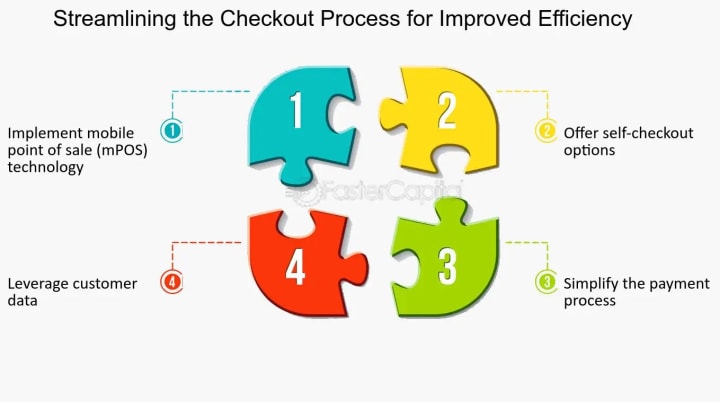
The checkout process can prove to be a formidable challenge even in stores such as used bookstores. However, this is not the case with the RFID technology as it allows the customers to pay for multiple books in a single scan or even through self-service kiosks. Reducing the time taken for this transaction can increase a customer’s satisfaction in a store which may lead to such customers making more spontaneous purchases which in turn increases sales.
Moving Towards an Efficient Digital Integration and Sales
It is reported that many used bookstores have started utilizing the online platforms to sell their books, and this is where RFID technology could prove to be useful. By integrating scanning equipment with their inventory management tools, used bookstores can list books available for sale, which will not be out of stock by the time someone places their orders. Along with that, tracking tags such as RFID can also help manage the sold and unsold items, which as a result will not lead to the problem of overselling and its related customer dissatisfaction.
Overcoming the Challenges of Theft and Loss
One of the biggest challenges faced by the used book market is getting stolen which turns out to be a cost that can change a bookstore’s profitability. However, measures such as EAS systems in RFID technology can solve that problem by setting alarms for such books whenever they are attached with tags, thus allowing stores to ring out customers as soon as they pay for the books. Devices for this nature not only assist in preventing customers from making illegal purchases but also help organizations secure their inventory.
Environmental Sustainability
The integration of RFID technology can also support more eco-friendly practices in the used book trade. Apart from improving inventory control, bookshops will reduce the negative impact resulting from inaccurate estimates of sales and overstocking. In addition, more efficient operations might result in less use of paper and unnecessary shipping materials.
Conclusion
As the used book industry confronts difficult issues such as stock control, customer engagement and experience, replacement of the investments, and combat with theft and loss, RFID technologies can provide unique opportunities to change the dynamics of the book market and the industry. By the incorporation and deployment of RFID, stores can better their processes, increase turnover, and boost their customers’ gratification. With the shift in customer behavior patters and the additional developed individuals, those who are quick to adopt various digital forms of information such as RFID are well positioned to win gain a competitive edge advantage in the business. So, the question is left: is it possible to use RFID to transform the used book market? It seems that the answer to this question is quite obvious, and it is yes.
About the Creator
Diane L. Richardson
Author
Keep reading
More stories from Diane L. Richardson and writers in BookClub and other communities.
How to Become an Amazon Bestselling Author?
In today’s world, through self-publishing, an author is capable of publishing their book without any gatekeepers or interference from traditional publishers. However, in a huge number of titles available, it can be extremely difficult to be visible to the readers. Thus, there are certain steps Author needs to follow in order to achieve the status. This article will outline key steps to help you achieve this goal.
By Diane L. Richardsonabout a year ago in BookClub
My New Book is Finally Here
My poetry collection Beautiful and Brutal Things is done. It's actually done and finally published over 270 pages. Over a year of my life went into this book. More than a year, really. Long days at my computer, sometimes seven days a week because I couldn't stop even when I probably should have. Then two months of editing that felt harder than the writing itself. But it's finished, and I'm still standing, and the book is real.
By Tim Carmichael3 days ago in BookClub
Cursed Pages & Candlelight
Welcome, brave souls, to The Chapter Cafe—where stories steep like tea and mysteries simmer in the shadows. Tonight, under the flicker of candlelight and the watchful gaze of a harvest moon, we invite you to pull up a chair and sip from our Halloween Mystery Brew.
By Kristen Barenthaler5 days ago in BookClub
How to Succeed at the Benson Directory®
Congratulations and welcome to the Benson Directory® employee #22391! As our newest call handler, you will have the privilege of speaking with dozens of unique and interesting people on a daily basis as well as the opportunity to earn bonuses for high performance. Contained within this handbook you will find a set of ease to follow instructions designed to help you settle in to your new role and begin paving the way to success.
By S. A. Crawford3 days ago in Fiction




Comments
There are no comments for this story
Be the first to respond and start the conversation.