
How to Stop Worrying and Start Living: Dale Carnegie
Practical Strategies to Conquer Anxiety and Embrace a Happier Life

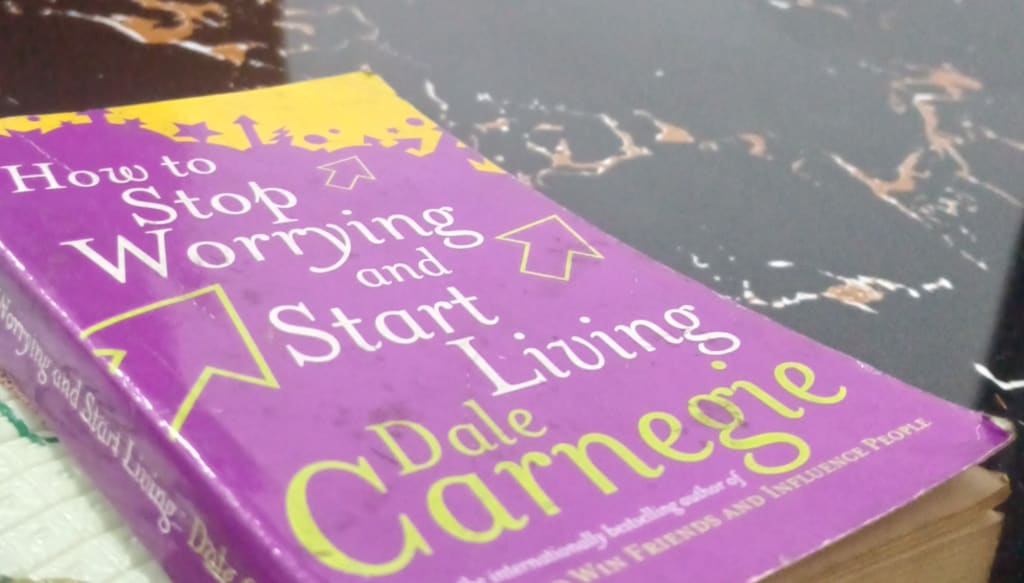
"How to Stop Worrying and Start Living" by Dale Carnegie is a self-help book that offers practical advice on how to manage stress, anxiety, and worry to lead a more peaceful and fulfilling life. First published in 1948, the book draws on Carnegie’s wealth of experience in personal development and communication, offering insights into how individuals can change their mindset, deal with adversity, and improve their mental well-being. Here's a more in-depth summary:
Introduction
The book begins with the premise that worrying is a universal human experience, yet it often proves to be counterproductive and harmful. Carnegie emphasizes that worry doesn’t change the outcome of situations and only makes people more anxious, less productive, and less healthy. He stresses the importance of managing worry, suggesting that learning how to deal with it effectively can lead to a more joyful, satisfying life.
Part One: Fundamental Facts You Should Know About Worry
Carnegie starts by outlining the damaging effects of worry on the body and mind. He states that worry can lead to physical ailments, mental fatigue, and a negative outlook on life. By addressing the root causes of worry—fear of the unknown, self-doubt, and overthinking—he suggests that people can take control over their emotional responses.
He introduces the concept of living in "day-tight compartments," which means focusing only on the present moment rather than dwelling on the past or worrying about the future. By practicing this technique, individuals can avoid being overwhelmed by concerns that are outside their control.
Part Two: A Magic Formula for Solving Worry Situations
One of the central ideas in this section is the three-step formula for dealing with worry:
Ask yourself: "What is the worst that can possibly happen?" By confronting the worst-case scenario, people often find that their fears are exaggerated and less threatening than imagined.
Prepare to accept the worst. Once individuals can accept the worst outcome, they become less fearful of it. This reduces anxiety, as they are mentally prepared to handle the situation if it arises.
Try to improve on the worst. After acknowledging and accepting the worst-case scenario, people can take proactive steps to improve or mitigate the situation. This empowers them to feel more in control.
Carnegie also advocates for shifting the focus from what might go wrong to taking constructive actions to address challenges.
Part Three: How to Analyze and Overcome Worry
In this section, Carnegie offers techniques to analyze worry. He introduces the method of writing down the facts of a situation and then reviewing possible outcomes. By making rational assessments, individuals can break down their worries into manageable chunks and avoid feeling overwhelmed.
Carnegie discusses how worrying often stems from irrational thinking, and by using logical reasoning, individuals can overcome their negative thought patterns. He advocates for an approach called "intelligent living," where individuals use their intellect to challenge irrational fears and anxieties.
Part Four: How to Break the Worry Habit Before It Breaks You
Carnegie provides practical techniques to break the worry habit. He advises people to engage in activities that prevent the mind from dwelling on worries. These activities include physical exercise, hobbies, socializing, and focusing on meaningful work. Additionally, he emphasizes the importance of avoiding "worry triggers"—specific situations or people that tend to ignite anxiety.
Another technique Carnegie advocates is the practice of gratitude. By regularly reminding oneself of the positive aspects of life, individuals can shift their focus away from what they fear or lack, fostering a more optimistic outlook.
Part Five: Cultivate a Mental Attitude That Will Bring You Peace and Happiness
This section emphasizes the importance of cultivating a positive mental attitude to prevent worry. Carnegie offers various strategies to adopt a more peaceful and happy state of mind, including:
Avoiding criticism: Criticizing others can lead to unnecessary conflict and worry. By practicing kindness and understanding, individuals can avoid creating negative emotions.
Developing a sense of humor: Humor helps diffuse tense situations and reduces anxiety.
Building strong relationships: Healthy personal relationships are key to emotional well-being, and Carnegie suggests fostering positive connections with others to reduce feelings of isolation and worry.
Part Six: How to Keep Worry from Spoiling Your Happiness
Carnegie addresses how to maintain happiness and peace despite inevitable difficulties in life. He talks about the importance of maintaining balance—recognizing when to stop worrying and simply live life with acceptance and resilience.
The key to this section is the idea of "living one day at a time." Carnegie encourages readers to avoid excessive worrying about the future by focusing on making each day count and accepting life as it comes.
Practical Advice and Real-Life Examples
Throughout the book, Carnegie includes numerous real-life examples of individuals who overcame worry and turned their lives around by adopting the strategies he presents. These examples range from famous figures to everyday people, showing that anyone can benefit from learning how to manage worry.
Conclusion
In the final chapters, Carnegie reiterates the message that worry is largely self-inflicted and often based on irrational fears. He encourages readers to take charge of their mental well-being by applying the principles discussed throughout the book—living in the present, focusing on the positive, taking actionable steps, and maintaining a balanced perspective.
The key takeaway from the book is that worry is a habit that can be unlearned, and with the right mindset and techniques, individuals can find peace, happiness, and resilience even in the face of life’s challenges.
Legacy
"How to Stop Worrying and Start Living" is a timeless self-help book that has impacted millions of people globally. It remains one of Dale Carnegie’s most popular works, continuing to inspire readers with its practical advice and insightful strategies for overcoming worry and stress. The book's focus on mental well-being, personal development, and proactive living has made it a valuable resource for anyone seeking to reduce anxiety and live a more fulfilling life.
About the Creator
My New Book is Finally Here
My poetry collection Beautiful and Brutal Things is done. It's actually done and finally published over 270 pages. Over a year of my life went into this book. More than a year, really. Long days at my computer, sometimes seven days a week because I couldn't stop even when I probably should have. Then two months of editing that felt harder than the writing itself. But it's finished, and I'm still standing, and the book is real.
By Tim Carmichael3 days ago in BookClub
Hildegard von Bingen
Light, Intellect, and Authority in the Medieval World Hildegard von Bingen stands as one of the most extraordinary intellectual figures of the Middle Ages, a woman whose range of achievement resists narrow definition. Born in 1098 in the Rhineland region of what is now Germany, Hildegard entered a world shaped by monastic reform, theological debate, and emerging centers of learning. From this environment emerged a thinker whose influence reached far beyond the walls of any cloister. Across a long life, Hildegard produced visionary theology, original sacred music, works of natural history and medicine, and a vast body of correspondence that circulated among the most powerful religious and political leaders of the twelfth century. Recognition during life was not limited to local admiration but extended across the Holy Roman Empire and into the highest ranks of the medieval Church.
By Marcus Hedare3 days ago in BookClub




Comments
There are no comments for this story
Be the first to respond and start the conversation.