
How the Politics of Confrontation Influences Domestic Policy and Governance
Confrontational Politics Shapes Policy, Governance, and Public Opinion

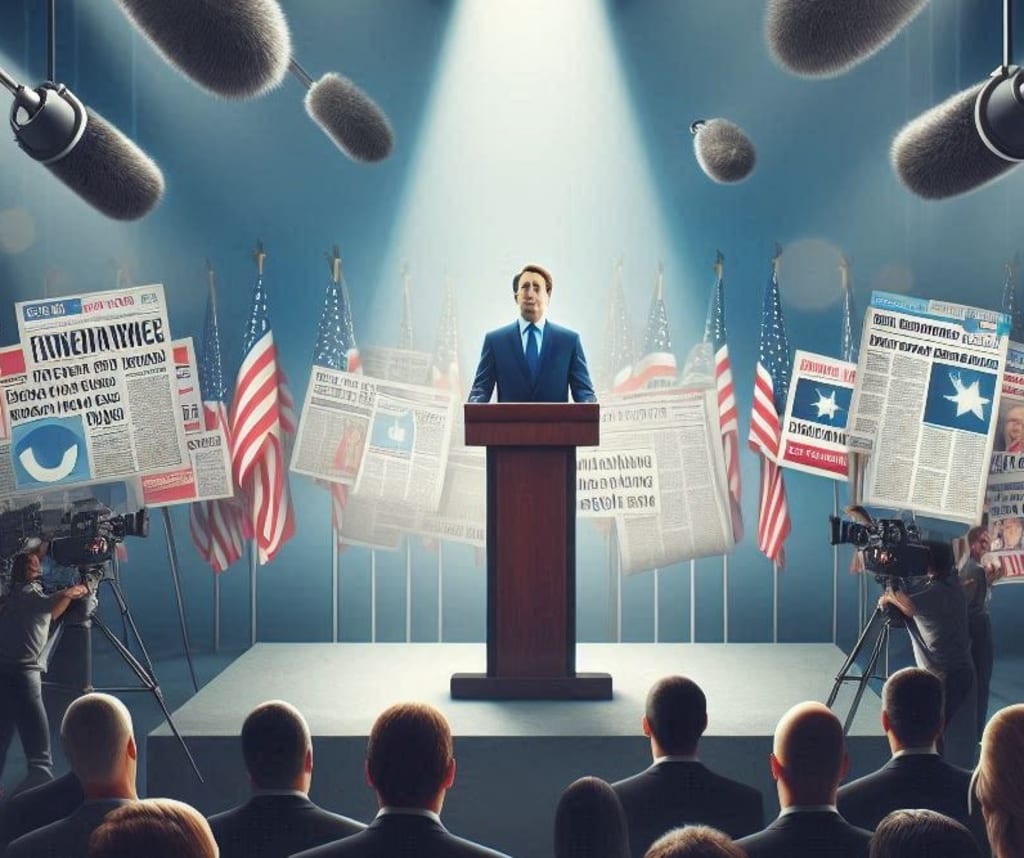
The politics of confrontation is a dynamic force that significantly shapes domestic policy and governance. This approach to politics, characterized by aggressive strategies, public clashes, and intense debates, can impact how policies are formulated, implemented, and perceived. Understanding this type of politics helps reveal the ways in which political leaders and parties navigate conflicts and assert their agendas within a nation's governance structure.
1. Shaping Policy Agendas Through Conflict
One primary way the politics of confrontation influences domestic policy is by shaping policy agendas. When political leaders engage in aggressive tactics, they often do so to highlight specific issues or challenges that they believe require urgent attention. For instance, through public debates and high-profile conflicts, leaders can bring attention to pressing social or economic problems, compelling policymakers to address these concerns. This strategy can accelerate the development of policies that might otherwise be sidelined in a more collaborative political environment.
2. Impact on Legislative Processes
It also affects legislative processes by creating a contentious atmosphere in which laws and regulations are debated and passed. Negotiations can become polarized in a controversial political climate, with parties often taking hardline stances to assert their viewpoints. This can lead to prolonged debates, legislative gridlock, or even the rejection of proposed bills. The intense nature of confrontational politics may force compromise and adjustments to proposed policies, impacting the outcomes and the speed at which laws are enacted.
3. Influencing Public Opinion and Political Legitimacy
Public opinion is another area where the politics of confrontation has a significant impact. Leaders who adopt confrontational tactics often use them to sway public sentiment and garner support for their policies. They can mobilize voters and build a strong support base by framing issues regarding conflict and opposition. This can enhance their political legitimacy and influence the policy agenda. However, the divisive nature of confrontational politics can also lead to increased polarization, affecting the overall cohesiveness of political discourse.
4. Affecting Governance and Administrative Efficiency
It can also influence the efficiency of governance and administration. In a contentious political environment, the constant need to address conflicts and opposition can divert attention and resources away from effective governance. This can lead to delays in policy implementation and a concentration on short-term gains rather than long-term solutions. Additionally, the adversarial nature of confrontational politics may strain relationships between different branches of government and between government and the public, affecting overall administrative efficiency.
5. The Role of Media and Public Discourse
Media plays a crucial part in amplifying it. News outlets and social media platforms often highlight conflicts and confrontations between political figures, shaping public perception and discourse. The portrayal of political events through a confrontational lens can influence how policies are discussed and debated, affecting public opinion and policymaking. Media coverage of confrontational politics can also impact the political strategy of leaders, as they may use media exposure to bolster their positions or respond to criticism.
6. Long-Term Consequences for Political Stability
While the politics of confrontation can lead to immediate policy changes and heightened political engagement, it can also have long-term consequences for political stability. Persistent confrontations and polarized politics can undermine trust in government institutions and erode social cohesion. In extreme cases, this can lead to political instability and challenges to democratic processes. Addressing these issues requires balancing confrontational tactics and collaborative approaches to ensure that domestic policy and governance remain effective and inclusive.
7. Balancing Confrontation with Collaboration
It is essential to balance confrontational strategies with collaborative efforts to mitigate the potential negative effects of the politics of confrontation. Effective governance often involves finding common ground and working towards solutions that address the needs of diverse stakeholders. Leaders who navigate this successfully manage conflicts while fostering dialogue and cooperation. By integrating confrontational and collaborative approaches, political leaders can enhance policy outcomes and maintain stability in domestic governance.
Conclusion
In conclusion, the politics of confrontation plays a significant role in shaping domestic policy and governance. By influencing policy agendas, legislative processes, public opinion, and governance efficiency, confrontational politics impacts how nations address key issues and manage political dynamics. Understanding these influences is crucial for going through the complexities of modern governance and fostering a balanced approach to political leadership.
About the Creator
Keep reading
More stories from Alexander Sebastian and writers in BookClub and other communities.
How the Politics of Confrontation Influences Domestic Policy and Governance
The politics of confrontation is a dynamic force that significantly shapes domestic policy and governance. This approach to politics, characterized by aggressive strategies, public clashes, and intense debates, can impact how policies are formulated, implemented, and perceived. Understanding this type of politics helps reveal the ways in which political leaders and parties navigate conflicts and assert their agendas within a nation's governance structure.
By Alexander Sebastian about a year ago in BookClub
My New Book is Finally Here
My poetry collection Beautiful and Brutal Things is done. It's actually done and finally published over 270 pages. Over a year of my life went into this book. More than a year, really. Long days at my computer, sometimes seven days a week because I couldn't stop even when I probably should have. Then two months of editing that felt harder than the writing itself. But it's finished, and I'm still standing, and the book is real.
By Tim Carmichael3 days ago in BookClub




Comments
There are no comments for this story
Be the first to respond and start the conversation.