
How Food Shapes Your Brain
Brain Fuel: Food’s Effect

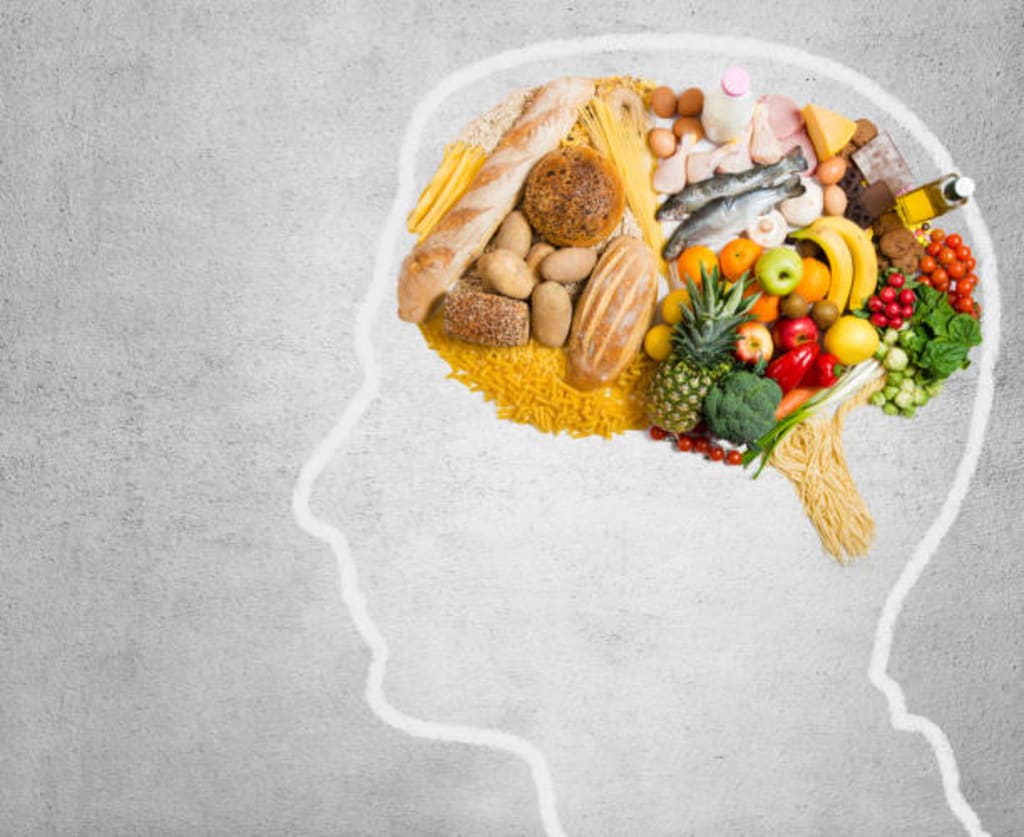
If the moisture were extracted from your brain and its nutritional components examined, the primary weight would come from fats, or lipids. Alongside these fats, you would find proteins and amino acids, minor micronutrients, and glucose. While the brain functions as more than just a collection of nutrients, each part influences its function, development, mood, and energy levels. For instance, the feelings of drowsiness after lunch or alertness late at night may simply reflect how food affects your brain. The beneficial fats in the brain, particularly omega-3 and omega-6 fatty acids, are essential for preventing degenerative brain diseases and must be sourced from our diets. Consuming foods rich in omega fatty acids, such as nuts, seeds, and fatty fish, is vital for developing and maintaining cell membranes. Conversely, excessive intake of unhealthy fats, like trans and saturated fats, can undermine brain health.
Proteins and amino acids are vital for growth and development and significantly influence our emotions and behaviors. They provide the building blocks for neurotransmitters, which are chemical messengers responsible for transmitting signals between neurons, thereby affecting mood, sleep, attention, and weight. This is one reason why we may feel content after a hearty meal of pasta or more energetic after consuming protein-rich foods. The intricate mixture of nutrients in food can trigger the release of mood-enhancing neurotransmitters such as norepinephrine, dopamine, and serotonin. However, accessing brain cells is complex, and amino acids must compete for entry. A balanced diet with a variety of foods ensures a proper mix of brain messengers, preventing mood imbalances.
Like other organs, the brain relies on a consistent supply of micronutrients. Antioxidants found in fruits and vegetables protect the brain against free radicals that can damage cells, allowing it to function optimally over time. Crucial micronutrients, including vitamins B6, B12, and folic acid, are necessary to safeguard against brain diseases and cognitive decline. Additionally, trace minerals like iron, copper, zinc, and sodium play essential roles in brain health and cognitive development. The brain requires a significant amount of energy for effective nutrient processing, consuming around 20% of the body’s energy despite representing only about 2% of its weight. Most of this energy is derived from carbohydrates, which are converted into glucose. The frontal lobes are particularly sensitive to drops in glucose, where changes in mental performance serve as key indicators of nutrient deficiency.
Assuming regular glucose intake, the type of carbohydrates consumed can influence brain function. Carbohydrates exist in three forms: starch, sugar, and fiber. Although nutrition labels group these together as total carbohydrates, the proportions of sugars and fiber can alter the body’s and brain's responses. High glycemic foods, like white bread, lead to rapid glucose spikes followed by sharp declines, negatively impacting attention and mood. In contrast, foods such as oats, grains, and legumes provide a more gradual glucose release, promoting consistent attentiveness. To maintain optimal brain function, it is essential to prioritize a varied diet rich in nutrients. The choices made regarding food intake have a profound and lasting impact on the brain, the most crucial organ in the human body.
About the Creator
Nguyen Carol
Life is short, time is fast
No replay...No rewind...
So enjoy every moment as it comes.
Keep reading
More stories from Nguyen Carol and writers in BookClub and other communities.
Don't Worry About the Future
1. The Future is Yours In today’s world, there’s a noticeable divide: young people are often excited and hopeful about the future, while older generations tend to be more anxious. It’s time to change this mindset. Instead of letting fears or technology overwhelm us, we should face the future with confidence and optimism. If you find yourself worrying about what lies ahead, it’s often a sign of lacking self-belief and imagination. Even though we don’t have all the answers, it’s the younger generation that will find the solutions and shape the future.
By Nguyen Carolabout a year ago in Humans
My New Book is Finally Here
My poetry collection Beautiful and Brutal Things is done. It's actually done and finally published over 270 pages. Over a year of my life went into this book. More than a year, really. Long days at my computer, sometimes seven days a week because I couldn't stop even when I probably should have. Then two months of editing that felt harder than the writing itself. But it's finished, and I'm still standing, and the book is real.
By Tim Carmichael4 days ago in BookClub
Romance with a Twist (of the Knife)
Welcome to The Chapter Café, where every page is served with a drizzle of desire and a drop of blood. I’m your host, Kristen, and today we’re swirling roses and razor blades in a heady cocktail of passion and peril. Prepare to sip on secrets stained red and savor stolen glances that might end in a deadly twist.
By Kristen Barenthaler6 days ago in BookClub
Center Stage with Paul Stewart
*** I'm keen to republish the interviews I did for my series with Vocal creators. It's been a few years and I thought it might be nice to revisit these wonderful conversations. I'll be releasing them one at a time for a few weeks/months.
By Heather Hubler6 days ago in Interview




Comments
There are no comments for this story
Be the first to respond and start the conversation.