
How does stress impact mental and physical well-being, and what measures assist in coping with it?
Stress impact
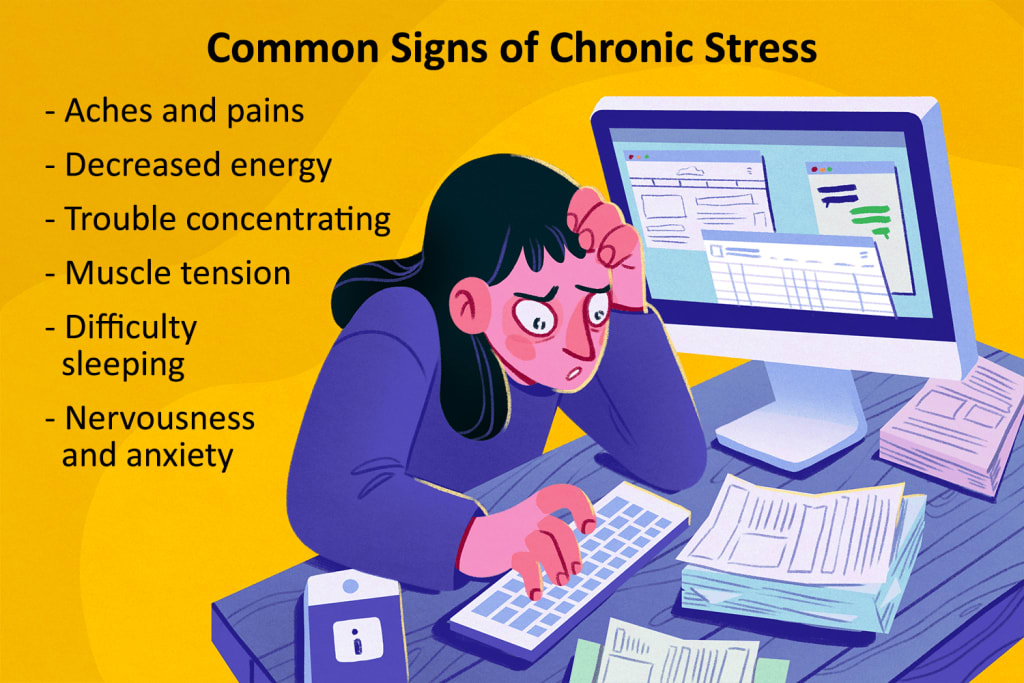
Stress is a normal part of life. It is the automatic response of the body to pressures, stress, or danger, and it triggers physiological and psychological mechanisms that ready one to "fight or flee." Although everyday stress can be beneficial, provoking problem-solving as well as resilience, relentless or unmanaged stress may have a profound impact on both mental and physical health. One needs to be aware of the effect of stress and make healthy coping behaviors so that one remains in good health in general.
The Mental Health Effects of Stress
Anxiety and Worry
Chronic stress usually leads to heightened anxiety. Persistent tension of being in a state of hyperarousal, expecting something bad to occur, or having runaway thoughts can interfere with concentration, decision-making, and performance. Stress-induced anxiety may manifest as irritability, tension, or doom.
Depression
Chronic stress is a causative factor in the development of depressive symptoms. Cumulative stressors can induce hopelessness, sadness, and lack of motivation. Loss of interest in activities, social withdrawal, and emotional difficulty of managing are felt by individuals, leading to a vicious cycle of increasing mental suffering.
Cognitive Impairments
Stress affects brain function, particularly areas that deal with memory, attention, and problem-solving. Chronic stress can reduce concentration, damage memory recall, and make it difficult to work on tasks in an effective way. These cognitive stresses can affect work performance, academic achievement, and everyday functioning.
Emotional Dysregulation
Uncontrolled stress can amplify emotional responses and render them less controllable. Individuals may react impulsively, get irritated or frustrated easily, or exhibit sudden mood swings. Emotional dysregulation may strain relationships and erode social support, which is necessary in stress management.
Sleep Disturbances
Stress also gets in the way of sleeping patterns and may lead to insomnia, sleep onset insomnia, or nighttime wakefulness. Insomnia exacerbates mental sicknesses, and there is a feedback mechanism since stress and sleep deprivation fuel each other.
The Physical Health Consequences of Stress
Cardiovascular Effects
Chronic stress increases blood pressure and heart rate, setting the stage for hypertension, heart disease, and stroke over the long term. Frequent activation of the body's "fight or flight" response places undue strain on the cardiovascular system.
Immune System Suppression
Chronic stress can undermine the immune system, making individuals more susceptible to infection, more slower recovery, and more vulnerable to disease.
Digestive Issues
Stress is likely to affect the digestive system, and symptoms can include stomach upset, bloating, diarrhea, or constipation. Irritable bowel syndrome (IBS) can exacerbate under prolonged stress.
Musculoskeletal Problems
Stress tension may be felt as muscle tightness, headache, backache, or constant pain. Muscle tightness and associated pain, if not treated, can be chronic and interfere with normal functioning.
Endocrine and Metabolic Effects
Chronic stress influences the endocrine regulation of hormones, like cortisol, which affect metabolism, weight, blood sugar levels, and energy.
Dealing with Stress
Dealing with stress is a combination of psychology, behavior, and lifestyle therapies. Psychologists assist people with well-designed strategies to reduce stress and promote resilience.
Cognitive Behavioral Techniques
Cognitive Behavioral Therapy (CBT) allows individuals to uncover maladaptive thought patterns perpetuating stress and replace them with more adaptive thinking. Techniques such as cognitive restructuring permit clients to reframe challenging situations in more realistic ways, reducing anxiety and emotional distress.
Mindfulness and Meditation
Mindfulness practices foster the ability to be present in the current moment, allowing individuals to observe stress without being consumed by it. Meditation, deep breathing, and grounding exercises activate the body's relaxation response, reducing bodily and psychological tension.
Time Management and Organization
Effective time management dismantles the stress of accumulating responsibilities. Prioritization, breaking big projects into minor steps, and setting reasonable goals can forestall chronic accumulation of stress.
Physical Activity
Regular exercise reduces cortisol levels, mood, and general physical well-being. Brisk walking, yoga, swimming, or resistance training are exercises that possess physical and psychological benefits.
Social Support
Having close relationships with coworkers, friends, and family members provides a person with emotional, practical, and insight support during stressful situations. Psychologists would recommend that clients seek social connections and learn support-seeking communication skills.
Relaxation Techniques
Progressive muscle relaxation, controlled breathing, and guided imagery reduce tension and enhance the feeling of calm. Practice of these skills in everyday life enhances emotional control and relaxation of the body.
Healthy Lifestyle Choices
Nutrition, water, proper sleep, and moderation of alcohol or substance use are the most important for stress management. A healthy lifestyle increases both physical and mental resilience.
Problem-Solving and Coping Skills
Psychologists help clients acquire efficient problem-solving strategies to directly address stressors such as setting boundaries, workload negotiation, or conflict resolution between persons. Resilient coping skills reduce feelings of helplessness and enhance a sense of control.
Professional Intervention
If stress is debilitating or chronic, psychologists provide organized therapy and treatment. Interventions may include CBT, stress inoculation training, or other evidence-based interventions depending on the client's situation. Early intervention makes an individual available to escape long-term physical and mental health complications.
Conclusion
Stress cannot be avoided in life, but when uncontrolled or chronic, it has severe mental and physical health consequences. From cognitive impairment, anxiety, and depression to gastrointestinal conditions, musculoskeletal issues, and cardiovascular stress, the effects of stress are far-reaching. However, with awareness, systemic coping strategies, and professional intervention by psychologists, stress can be managed. Cognitive strategies, exercise, social support, mindfulness, and lifestyle modification empower one to manage stressors, maintain balance, and promote overall wellness.
For professional help in coping with stress and promoting mental well-being, visit: https://www.delhimindclinic.com/
About the Creator
Keep reading
More stories from Naveen Garg and writers in BookClub and other communities.
What are the long-term effects of undiagnosed anxiety and how can therapy prevent them?
Anxiety is a typical reaction to stress that becomes the issue when it is persistent, excessive, and disproportionate to actual situations. While occasional anxiety is part of being human, if left untreated, anxiety disorders can take a considerable toll on mental, emotional, and physical well-being in the long term. The disorders of anxiety are generalized anxiety disorder (GAD), panic disorder, social anxiety disorder, phobias, and other anxiety disorders. If left untreated, these disorders can compromise work, interpersonal relationships, everyday functioning, and overall quality of life.
By Naveen Garg6 months ago in BookClub
Rachel Reviews: Lakefront Wolves by Joseph Deegan
Meet Finn. He's an 18 year old kid who has potential. He's bright with great school scores and he's also an athlete, a footballer of some prowess. He has it all going for him, it would seem, and yet, he's determined to send what could be a well-planned, stable existence firmly off the rails. He drinks, he smokes, he takes drugs, he has violent tendencies and he's in danger of losing not only his mind but all that he holds dear.
By Rachel Deeming15 days ago in BookClub
A Transparent Look at Vocal Challenges and Top Stories
Almost three years ago, we shared a resource article that served as a place for people to suggest new challenge prompts. We thought it would be a good idea to refresh that thread, and take the opportunity to answer a few common questions about top stories, how challenges are judged and how submissions are reviewed.
By Vocal Curation Team4 days ago in Resources


Comments
There are no comments for this story
Be the first to respond and start the conversation.