
What are the long-term effects of undiagnosed anxiety and how can therapy prevent them?
Long-term effects
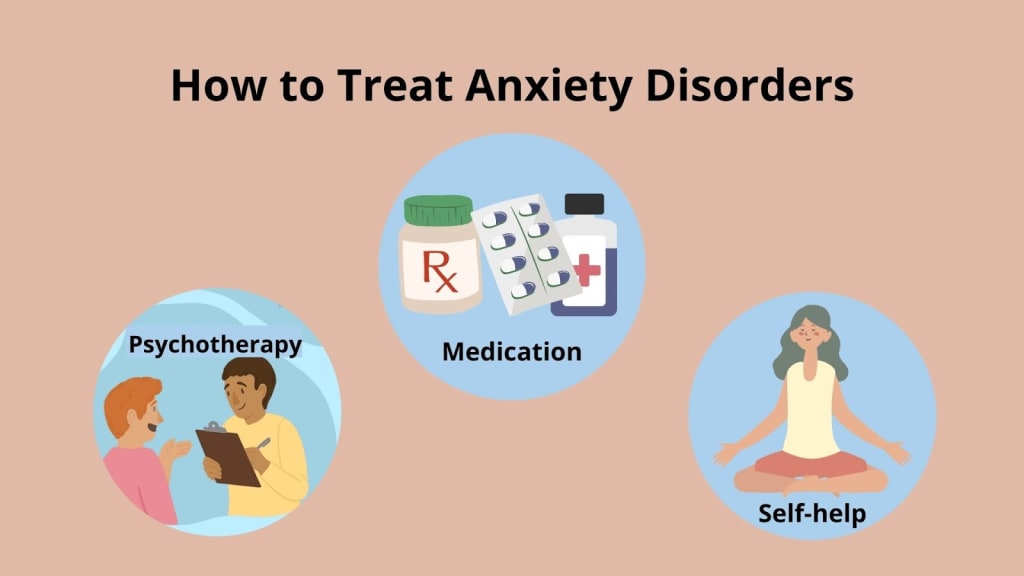
Anxiety is a typical reaction to stress that becomes the issue when it is persistent, excessive, and disproportionate to actual situations. While occasional anxiety is part of being human, if left untreated, anxiety disorders can take a considerable toll on mental, emotional, and physical well-being in the long term. The disorders of anxiety are generalized anxiety disorder (GAD), panic disorder, social anxiety disorder, phobias, and other anxiety disorders. If left untreated, these disorders can compromise work, interpersonal relationships, everyday functioning, and overall quality of life.
Long-Term Effects of Unrecognized Anxiety
Chronic Physical Disorders
Consistent activation of the body's stress system increases cortisol and adrenaline levels, resulting in cardiovascular disease such as hypertension, cardiovascular disease, and stroke in the long term. Other physical disorders include gastrointestinal distress, frequent headaches, chronic pain, and immune dysfunction, making the body susceptible to diseases.
Cognitive Impairments
Untreated worry can have adverse effects on attention, memory, and decision-making. Ongoing mental preoccupation with worries and potential threats reduces cognitive functioning, causing difficulties in concentrating, remembering things, or planning effectively. These impairments can hinder work, academic performance, and daily problem-solving.
Sleep Disturbances
Anxiety interferes with sleep, and thus, insomnia, sleeplessness, or frequent nighttime wakings ensue. Prolonged sleep deprivation reinforces the anxiety, and the two get into a vicious cycle influencing overall health, energy, and emotional stability.
Emotional and Psychological Effects
If anxiety is left untreated, it may lead to increased irritability, mood swings, and emotional exhaustion. Patients may experience increased fear, panic attacks, or helplessness. Anxiety can escalate into increased risks of comorbid mental disorders in the long run, particularly depression, substance abuse disorders, and post-traumatic stress disorder (PTSD).
Social and Interpersonal Challenges
Anxiety may lead to avoidance activities, social withdrawal, and less involvement in meaningful activities. Long term, the relationships may be harmed, social support breaks down, and the individual is left feeling lonely or isolated, which adds to additional psychological distress.
Reduced Quality of Life
Untreated anxiety will restrict autonomy, limit career, and decrease life satisfaction overall. Ongoing worrying or fear can prevent goal-directed behavior, social interaction, or appreciation of everyday experiences.
Behavioral Consequences
Chronic worry can cause dangerous coping habits, such as excessive alcohol consumption, overindulgence, or substance abuse. These can also degrade physical and emotional health and reinforce unhealthy anxiety and avoidance patterns.
How Therapy Prevents Long-Term Anxiety Consequences
Psychological counseling is highly effective in the treatment of anxiety disorders, symptom reduction, and complication prevention in the long run. Psychologists provide evidence-based treatments depending on the needs of the individual to empower them and become well-balanced.
Detailed Evaluation
Psychologists use structured interviews, questionnaires, and behavioral observations to assess the severity, precipitants, and impact of anxiety. The determination of an individual's distinctive anxiety profile allows for personalized interventions.
Cognitive Behavioral Therapy (CBT)
CBT is among the most effective treatments for anxiety. It helps an individual notice unhelpful thinking, such as catastrophizing or worry, and replace it with reasonable, realistic perceptions. CBT removes emotional pain and avoidance behavior by addressing the cognitive causes of anxiety.
Exposure Therapy
For anxiety associated with particular fears or phobias, exposure therapy gradually and safely exposes the individual to feared stimuli. Repeated exposure over time reduces the fear responses, while the healthy coping abilities are strengthened.
Mindfulness-Based Approaches
Mindfulness exercises, meditation, and relaxation techniques help people develop awareness of the present moment, reduce rumination, and regulate emotional responding. These approaches strengthen calmness and reduce physiological stress reactions.
Stress Management and Lifestyle Interventions
Psychologists help people develop coping strategies, including exercise, nutrition, sleep hygiene, and routine schedules. Lifestyle modification enhances resilience and prevents the physical and cognitive consequences of chronic anxiety.
Developing Problem-Solving and Coping Skills
Structured problem-solving and adaptive coping skills allow individuals to cope with adversity in a constructive manner. Goal-setting, prioritizing, and assertive communication skills reduce helplessness and enhance self-efficacy.
Relapse Prevention
Psychologists work together with clients to identify triggers, observe early warning signs, and maintain effective coping mechanisms. Relapse-prevention plans help ensure long-term symptom control and reduced frequency of long-term complications.
Conclusion
Untreated anxiety may have far-reaching and long-lasting effects on physical health, cognition, emotions, relationships, and quality of life. Treatment, particularly evidence-based psychological therapy, provides symptom management skills, assistance in preventing deterioration, and the development of long-term resilience. Early treatment not only alleviates immediate distress but also safeguards both mental and physical well-being, enabling one to live an acceptable, well-adjusted life.
For professional guidance on coping with anxiety and preventing long-term effects, visit: https://www.delhimindclinic.com/
8. In what ways do psychologists help clients improve emotional intelligence and interpersonal skills?
Emotional intelligence (EI) is the ability to identify, understand, manage, and express one's emotions effectively and to understand and empathize with others' emotions. Interpersonal skills, which are strongly connected with EI, are the ability to communicate, empathize, resolve disagreements, and build healthy relationships. Both are of the utmost importance to individual well-being, professional success, and social welfare.
Many individuals exhibit emotional awareness or interpersonal difficulty, which might lead to misunderstanding, conflict, and less life satisfaction. Psychologists play a significant role in fostering emotional intelligence and interpersonal skills using certain interventions and evidence-based practices. Such interventions help clients develop self-awareness, empathy, communication skills, and effective coping skills.
The Importance of Emotional Intelligence and Interpersonal Skills
Self-Awareness
Self-awareness is at the heart of EI. Self-aware individuals know their emotions, triggers, strengths, and weaknesses. Self-awareness provides effective emotional management, decision-making, and relationship management.
Self-Regulation
Self-regulation of impulses, managing stress, and thinking before acting, as opposed to reacting impulsively, is important in maintaining personal and professional relationships. Effective self-regulation provides resilience and reduces conflict.
Empathy
Empathy is the ability to notice and comprehend other people's emotions. It forms strong bonds, develops good social relationships, and leads to cooperation. Psychologists help individuals learn empathy through perspective-taking and reflective practice.
Social Skills
Good communication, active listening, assertiveness, and conflict management are prevalent interpersonal skills. They enable individuals to coexist effectively with others and develop useful social networks.
Techniques That Psychologists Employ to Boost EI and Interpersonal Skills
Cognitive Behavioral Techniques
CBT helps clients to become aware of thought patterns that impede emotional awareness or interpersonal functioning. For example, negative assumptions about other people's behavior or overgeneralities can be challenged and reconstructed constructively.
Role-Playing and Social Simulations
Role-playing is a standard method psychologists use to practice communication, assertiveness, and conflict resolution skills in a safe environment. Experiential learning creates confidence and enhances actual application.
Mindfulness and Emotional Awareness
Mindfulness exercises enhance focus on moment-by-moment experience, leading to greater awareness of feelings in self and others. Clients learn to stop, notice their response, and respond carefully.
Empathy Training
Psychologists assist clients with perspective-taking exercises, encouraging them to think about others' experience and feelings. Journaling, reflection, and group tasks can be used to strengthen empathic understanding.
Active Listening and Communication Skills
Techniques such as asking questions to clarify, summarizing, and paraphrasing increase understanding and reduce miscommunication. Psychologists also teach clients assertive communication, through which clients can express needs in a respectful manner while maintaining relationships.
Conflict Resolution Techniques
Healthy relationships require constructive conflict management. Psychologists help clients resolve the underlying causes of conflict, negotiate resolutions, and respond patiently under stress.
Feedback and Self-Reflection
Systematic feedback either from the psychologist or peers helps to identify areas for change. Journaling and guided questioning, self-reflection exercises, maximize learning and knowing oneself.
Emotional Regulation Skills
Skills such as deep breathing, grounding, and cognitive restructuring prepare the client to manage intense emotions in a useful manner, reducing impulsive behavior and enhancing positive interactions.
Benefits of Emotionally Intelligent and Interpersonally Competent Development
Enhanced relationships and social support.
Enhanced self-knowledge and self-esteem.
Reduced interpersonal tension and stress.
Enhanced professional performance and working together.
Greater resilience against adversity.
Greater overall life satisfaction and well-being.
Conclusion
Emotional intelligence and interpersonal skills are the very foundation of personal growth, positive relationships, and professional success. Emotional intelligence and interpersonal skills are taught to clients by psychologists through cognitive, behavioral, and experiential approaches in order to build self-awareness, empathy, communication, and conflict management. EI and interpersonal skills enable clients to handle the affairs of life more effectively, build authentic relationships, and improve mental and emotional well-being in general.
To seek professional advice to improve emotional intelligence and interpersonal skills, log on to: https://www.delhimindclinic.com/
About the Creator
Keep reading
More stories from Naveen Garg and writers in BookClub and other communities.
What are the symptoms of depression, and how does therapy help in recovery?
Depression is a complex and common mental disorder that affects millions of individuals worldwide. It is more than sadness or a bad day; it is a low mood, decreased interest or pleasure in activities, and a group of cognitive, emotional, and physical symptoms that can significantly interfere with daily functioning. Depression can strike anyone, regardless of age, gender, or background, and its effects extend from the individual to relationships, work, and overall quality of life.
By Naveen Garg4 months ago in BookClub
Espresso Shots & Espionage: The Blonde Who Came in From the Cold
Welcome back to The Chapter Café, where stories are always on the menu and comfort is served by the chapter. I’m your host, Kristen, and today we’re trading in our cozy cardigans for leather jackets and encrypted burner phones. On today’s menu? The Blonde Who Came in From the Cold by Ally Carter—a second-chance spy romance that’s equal parts adrenaline and heart.
By Kristen Barenthaler4 days ago in BookClub
Center Stage with Paul Stewart
*** I'm keen to republish the interviews I did for my series with Vocal creators. It's been a few years and I thought it might be nice to revisit these wonderful conversations. I'll be releasing them one at a time for a few weeks/months.
By Heather Hubler4 days ago in Interview




Comments
There are no comments for this story
Be the first to respond and start the conversation.