
How Do Developmental Editing and Typography Work Together to Perfect a Book?
The Symbiotic Relationship Between Developmental Editing and Typography in Book Production

Book editing is a crucial step in the publishing process, ensuring that a manuscript is polished, professional, and ready for readers. Whether you’re an aspiring author or an experienced writer, understanding the nuances of book editing can help elevate your work to its full potential. In this article, we will explore the essential process of developmental editing, its significance, and the role of typography in making a book visually appealing and easy to read.
What is Developmental Editing?
Developmental editing is the first and most intensive stage of book editing. It focuses on the structure, content, and overall direction of the manuscript. Unlike copyediting or proofreading, which concentrate on grammar and spelling, developmental editing addresses the bigger picture, including the flow of the narrative, character development, pacing, and consistency in tone and voice.
A developmental editor works closely with the author to shape the manuscript, helping them refine their ideas, clarify their messaging, and improve the overall structure. This type of editing can involve substantial revisions, including adding or cutting scenes, reorganizing chapters, and suggesting changes to character arcs or plotlines.
For authors, working with a developmental editor can be a transformative experience. It’s an opportunity to step back from the manuscript and look at the book from a fresh perspective. Editors provide valuable feedback that helps authors enhance their writing, ensuring the story resonates with the target audience and maintains coherence from start to finish.
Why is Developmental Editing Important?
Developmental editing is essential for several reasons. First and foremost, it ensures that the manuscript is engaging and compelling. A developmental editor helps to identify areas where the narrative may drag or where characters may feel underdeveloped. By working on pacing and structure, a developmental editor can help turn a good story into a great one.
Secondly, developmental editing improves clarity and consistency. A fresh set of eyes can spot areas where the plot may be confusing or where the message of the story is unclear. Editors often make suggestions to improve transitions, clarify scenes, and strengthen the themes.
Lastly, developmental editing helps the manuscript align with the author’s vision while maintaining the integrity of the story. The goal is not to rewrite the manuscript in the editor’s voice but to bring out the best version of the author’s work. This is achieved through feedback, collaboration, and careful editing to ensure that the final product is polished and ready for readers.
The Stages of Developmental Editing
Developmental editing is not a one-time process but involves multiple stages. Here’s an overview of how a typical developmental editing process might unfold:
Initial Assessment
The editor begins by reading the manuscript and making an initial assessment. They identify the book's strengths and weaknesses, focusing on the overall structure, character development, pacing, and tone. At this stage, they may also provide a summary of their initial thoughts and suggest a plan for revisions.
Big Picture Editing
This stage involves the most significant changes. The editor focuses on improving the narrative arc, ensuring that the story flows smoothly and logically. This might involve restructuring chapters, shifting scenes, and eliminating plot holes or inconsistencies.
Character and Dialogue Refinement
A developmental editor will pay close attention to characters, ensuring they are well-rounded, relatable, and consistent throughout the manuscript. Dialogue is also scrutinized to make sure it’s authentic and in line with each character's personality.
Pacing and Tension Building
Editors help fine-tune the pacing of the book, ensuring that there is a balance between fast-paced action scenes and slower, reflective moments. They may suggest changes to maintain tension and engagement throughout the story, making sure readers are hooked from start to finish.
Final Review
Once all significant changes have been made, the manuscript undergoes a final review. The editor checks for continuity errors, ensures that all revisions have been properly implemented, and confirms that the manuscript is cohesive and consistent.
At this point, the manuscript is ready for the next stage of editing—copyediting—where attention is given to grammar, syntax, punctuation, and spelling. However, without strong developmental editing, even the most meticulous copyediting won’t be able to save a manuscript with weak structure or unclear storytelling.
The Role of Typography in Book Editing
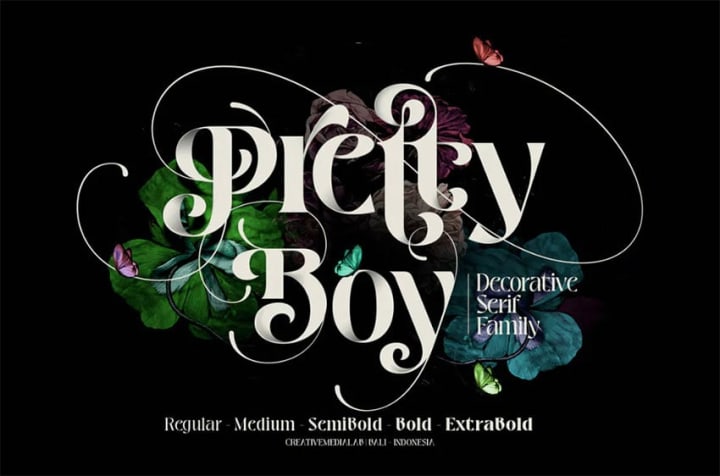
Once the manuscript has undergone developmental editing and is ready for publication, the next critical component is the book’s presentation. This is where typography comes into play. Typography refers to the art and technique of arranging type to make written language readable and aesthetically pleasing. In the context of book publishing, it’s not just about choosing a font; it involves formatting the text, creating layouts, and ensuring that the book is visually appealing and easy to read.
A well-chosen typeface can set the tone of the book, enhance readability, and make the book feel more professional. For example, a classic serif font like Times New Roman might be perfect for a historical novel, while a modern sans-serif font could work well for a contemporary business book. The choice of typography also includes selecting appropriate font sizes, line spacing, and margins to ensure the text is clear and easy to follow.
Good typography ensures that the text doesn’t compete with the content; it should support the reader’s experience and make the reading process seamless. It also plays a role in establishing the book’s visual identity. For instance, the typography used on the cover will reflect the genre and tone of the book, making it attractive to potential readers.
How Typography and Developmental Editing Work Together
While developmental editing focuses on the content, typography focuses on presentation. Both are equally important to the success of a book. Developmental editing makes sure that the story is strong, clear, and engaging, while typography ensures that the book is physically inviting to readers. The two work hand in hand to create a book that is not only a pleasure to read but also a visual delight.
For example, a book with a compelling narrative and well-structured plot can be undermined by poor typography that makes it hard to read or confusing. Similarly, a book with beautiful typography but weak content will fail to make an impact on the audience. Thus, both elements must be carefully considered to ensure that the final product is polished in both content and form.
Conclusion
In conclusion, developmental editing and typography are two critical components of the book editing process. Developmental editing helps authors refine their work, strengthen the narrative, and ensure that the book is well-structured and engaging. On the other hand, typography enhances the reader’s experience by making the book visually appealing and easy to read. Together, they create a finished product that is not only captivating in content but also a pleasure to hold and read.
Authors who invest time and effort in both developmental editing and typography will find that their books stand out in a competitive market. These two elements ensure that the book resonates with readers both intellectually and aesthetically, making it a memorable and enjoyable experience from start to finish.
About the Creator
Lawson Brooks
Author
Keep reading
More stories from Lawson Brooks and writers in BookClub and other communities.
How Do Leading Designers Use Visual Elements to Tell a Story Without Words?
In the world of publishing, the book cover is often the first impression a reader gets of a book. It plays an essential role in enticing readers and giving them a glimpse of what lies between the pages. While the narrative itself is undeniably important, the book cover serves as the gateway to the story. As such, choosing the right design for a book cover is a crucial decision that authors and publishers make, and behind every captivating book cover is a talented designer. In this article, we’ll explore the world of Top Book Cover Designers, their importance in the literary world, and how they help bring stories to life.
By Lawson Brooks10 months ago in BookClub
My New Book is Finally Here
My poetry collection Beautiful and Brutal Things is done. It's actually done and finally published over 270 pages. Over a year of my life went into this book. More than a year, really. Long days at my computer, sometimes seven days a week because I couldn't stop even when I probably should have. Then two months of editing that felt harder than the writing itself. But it's finished, and I'm still standing, and the book is real.
By Tim Carmichael2 days ago in BookClub
Lessons from the Life of Joseph
Title: Lessons from the Life of Joseph Subtitle: Finding Strength in Trials and Trusting God’s Plan Have you ever felt betrayed, abandoned, or overwhelmed by life’s unfairness? Joseph, one of the most remarkable figures in the Bible, experienced all of this—and yet his story teaches us how patience, faith, and integrity can transform even the darkest trials into blessings. His journey is a timeless reminder that God’s plan often unfolds in ways we cannot immediately understand.
By Nonhlanhla Emogene Mbokane3 days ago in BookClub




Comments
There are no comments for this story
Be the first to respond and start the conversation.